
Last updated November 2, 2026
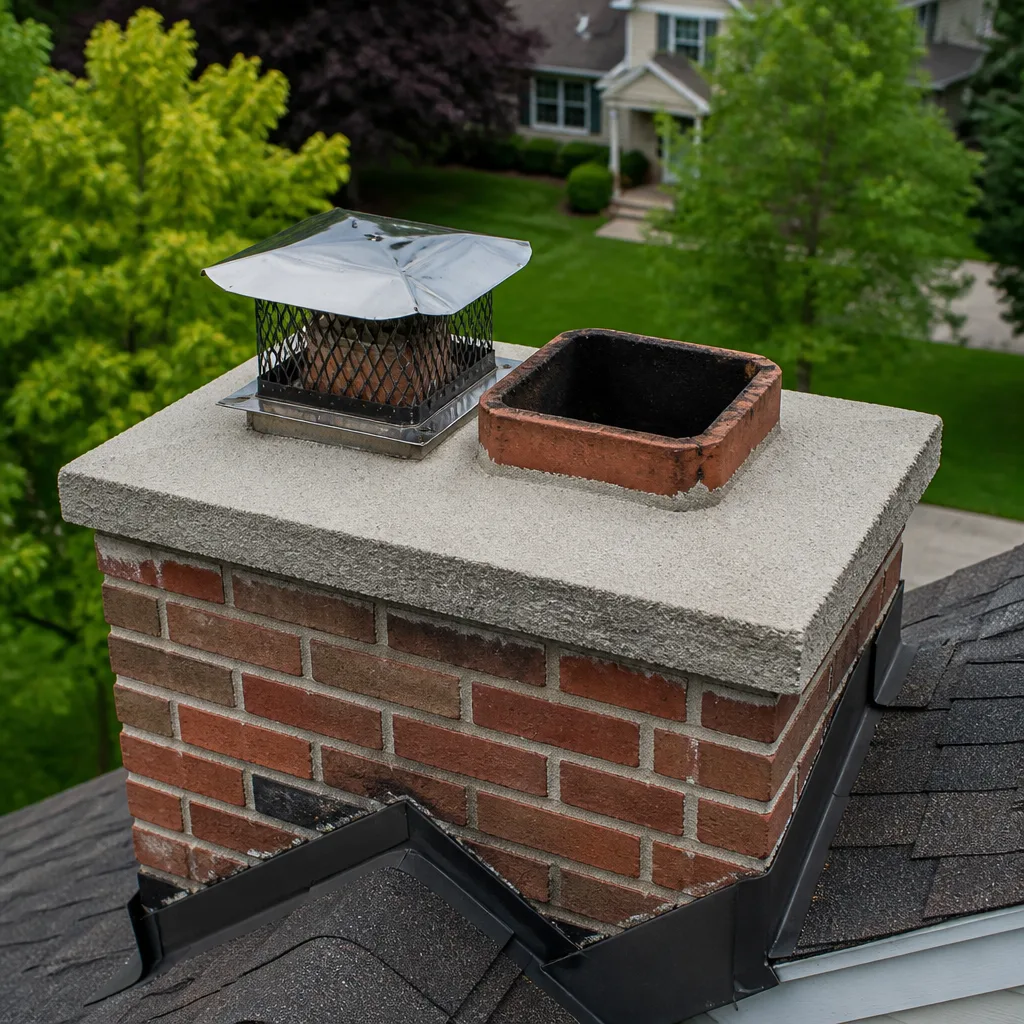 Sweep & inspection
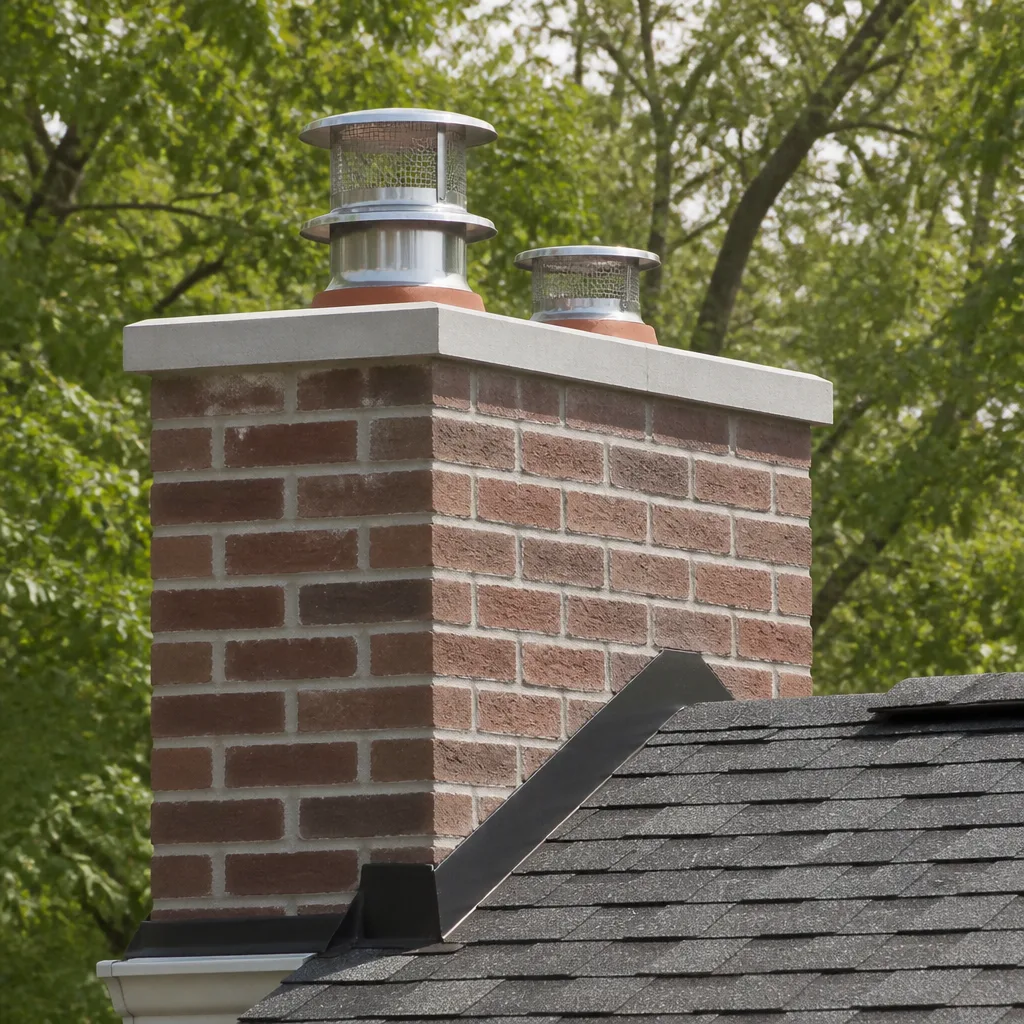 Caps & crowns
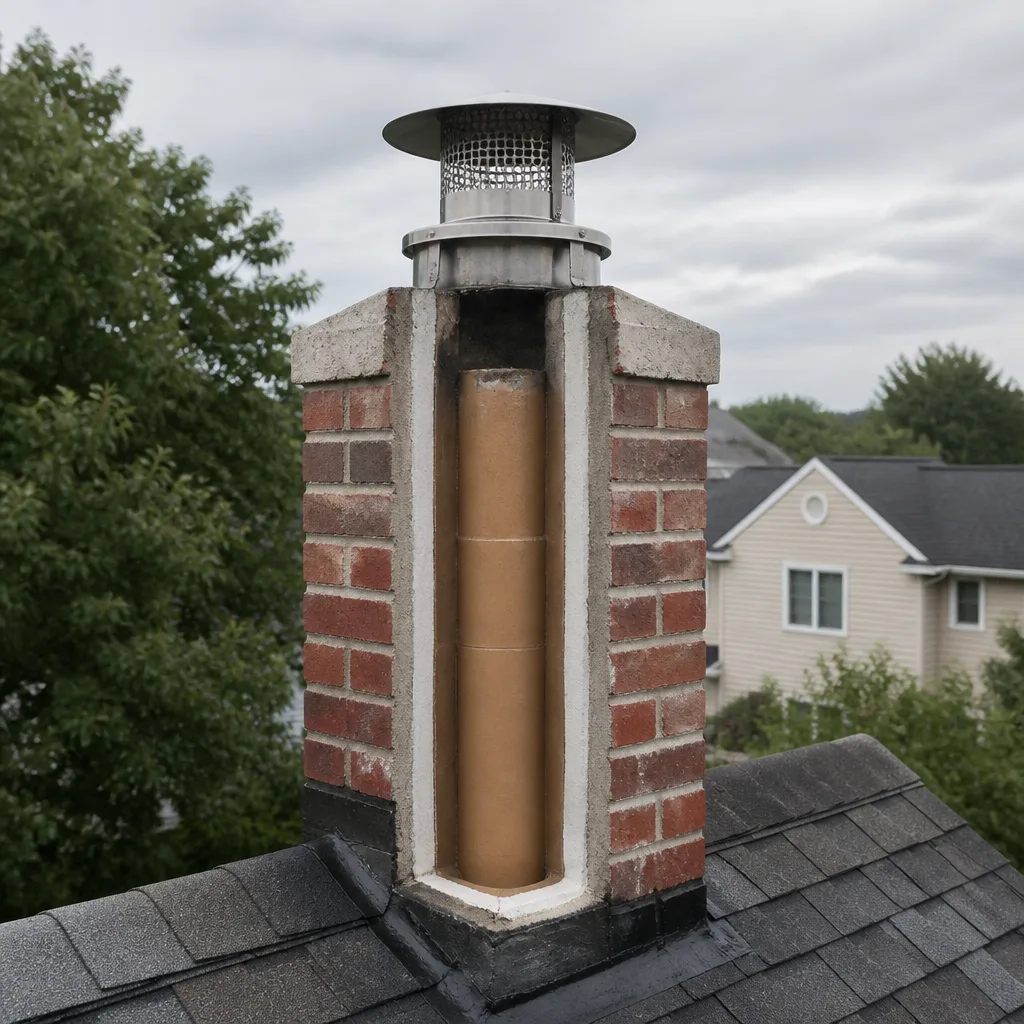 Flue relining
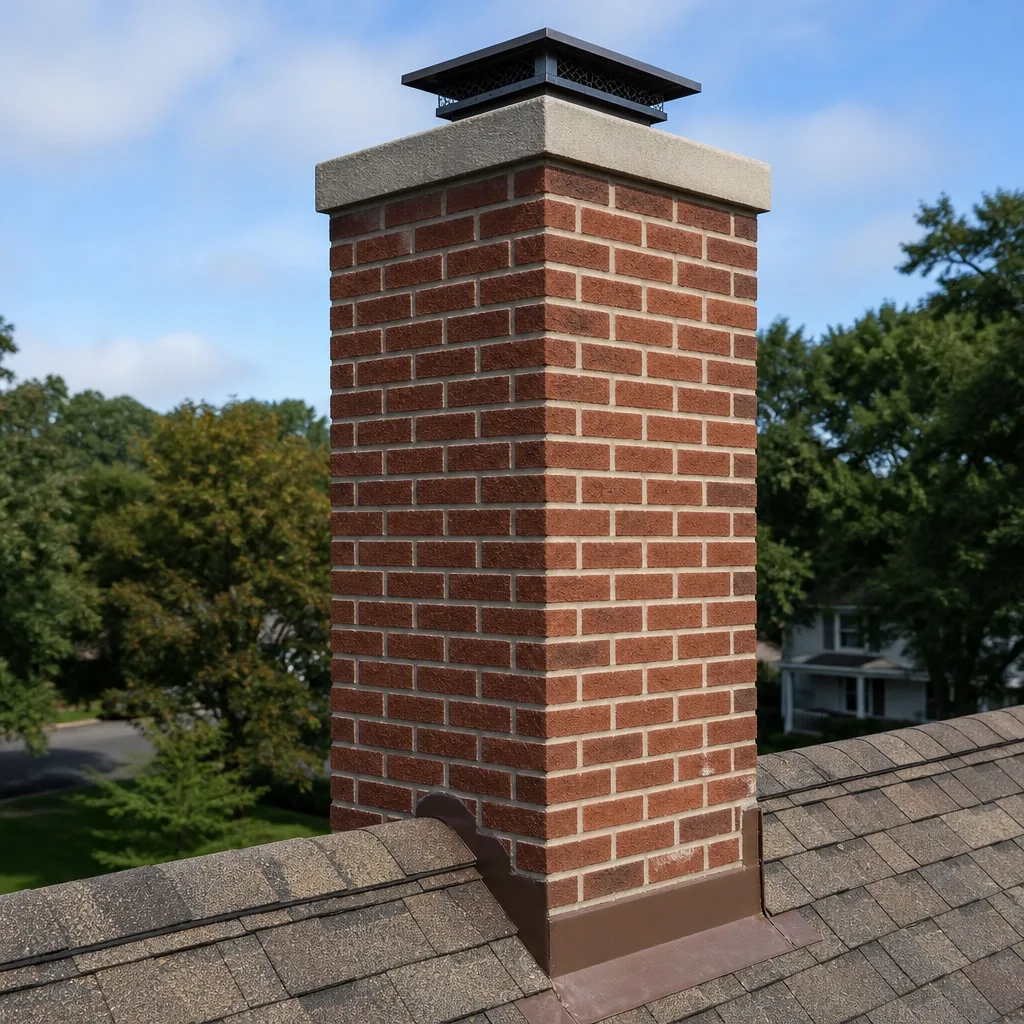 Masonry repair
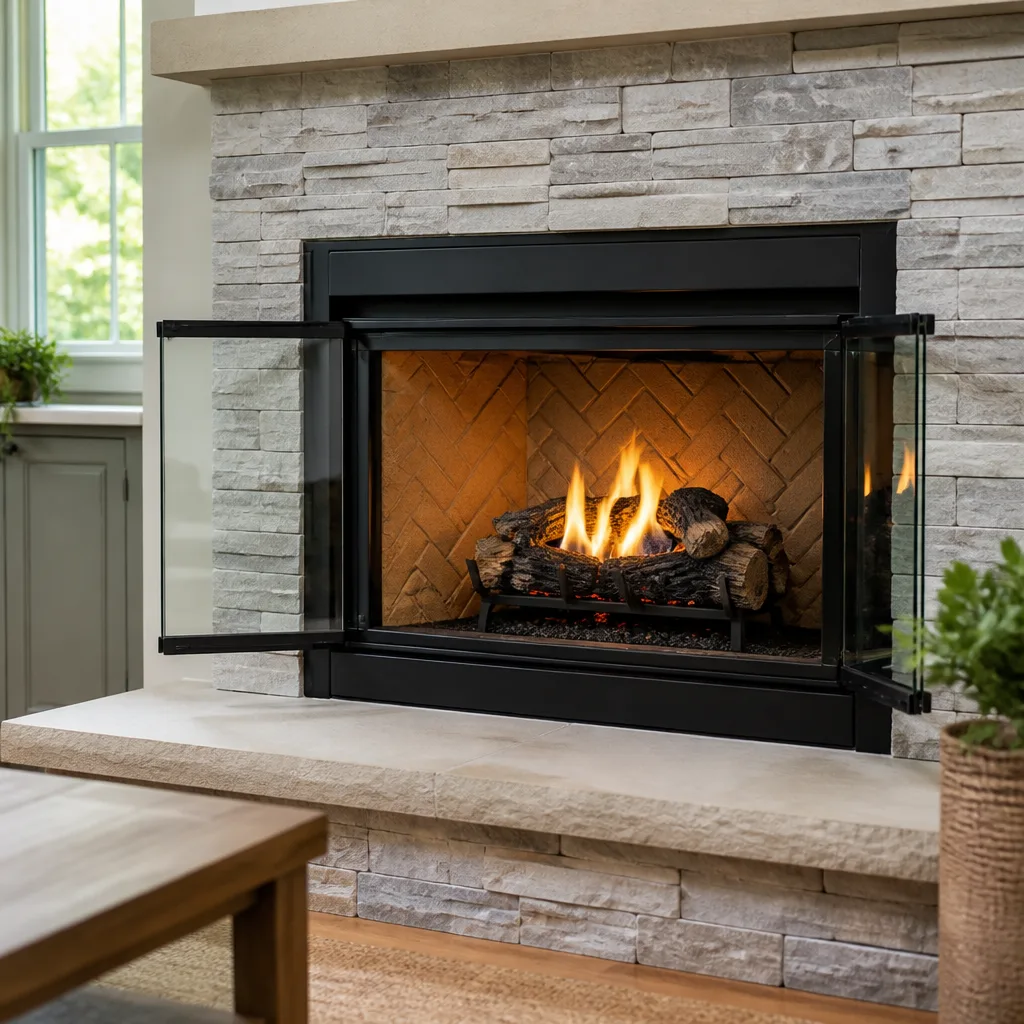 Gas fireplace service
Level 1 sweep and inspection to the NFPA 211 annual standard - flue, crown, cap, and flashing checked and photographed
Chimney sweep logs do not sweep chimneys. They loosen some creosote - which then falls where a brush and vacuum still have to collect it.
Chimney Cleaning Permits, Codes & Inspections in CA: What You Need to Know
Most homeowners assume a chimney sweep is no different from a house cleaner: you book it, they show up, you pay, they leave. That’s true right up until the moment the sweep finds a cracked flue liner or a firebox that’s coming apart. Then California code changes the picture entirely. A simple cleaning requires no permit anywhere in the state. But the instant repair work enters the conversation, so do the City of Berkeley’s permit requirements, and an unlicensed contractor is not going to volunteer that information. This guide explains exactly where the line sits, what Berkeley requires, and how to protect yourself from unpermitted work that will haunt you when you sell. For Chimney Sweep Troubleshooting: Common Problems and How to Fix Them, see our dedicated post. We’ll walk through the permit process, the Northridge earthquake’s lasting impact on chimney standards, insurance implications, and how to pull prior permit records on any Berkeley property.
Styles & brands we work with
- Sweep & inspection
- Caps & crowns
- Flue relining
- Masonry repair
- Gas fireplace service
Quick Answer
Chimney Cleaning Warning Signs: A Berkeley Homeowner’s Reference Guide can help you know when cleaning is needed; chimney cleaning (sweeping) itself requires no permit anywhere in California, including Berkeley, because it’s classified as routine maintenance, not construction. However, any repair that involves replacing a flue liner, rebuilding a firebox, altering the chimney structure, or seismic retrofitting does require a permit from the City of Berkeley, typically a Building Permit issued by the Permit Service Center. A state-licensed contractor must pull that permit, and the work must pass inspection before you close the wall or use the fireplace.
Table of Contents
- Where the Line Sits: Cleaning vs. Repair Under California Code
- How Berkeley’s Permit Process Works for Chimney Work
- The Northridge Earthquake’s Lasting Impact on Berkeley Chimneys
- Insurance Implications of Unpermitted Chimney Work
- How to Pull Prior Permit Records on a Berkeley Property
- Common Mistakes to Avoid
- When to Call a Professional
- Frequently Asked Questions
Where the Line Sits: Cleaning vs. Repair Under California Code
The California Building Code (CBC), which Berkeley adopts with local amendments, draws the permit line at whether work is classified as maintenance or alteration. Maintenance means restoring something to its original condition without changing its structure, materials, or function. Alteration means changing any of those three things. A chimney sweep falls under maintenance. Replacing a single brick? Still gray. Rebuilding an entire firebox? Alteration, and it needs a permit.
In practice, here’s what falls on each side of the line:
- No permit required: Sweeping soot and creosote, camera inspection of the flue, minor masonry pointing of a few loose bricks, tightening a damper plate, replacing a chimney cap with a like-for-like unit, clearing debris.
- Permit required in Berkeley: Replacing a flue liner (including relining with a stainless steel system), rebuilding more than a small section of the firebox, rebuilding any portion of the chimney above the roofline, installing a new chimney or flue, seismic retrofitting or strapping, converting a wood-burning fireplace to gas and altering the venting, or replacing a prefabricated firebox with a different model.
The key phrase is “like for like.” If a repair restores the original condition using the same type of material, Berkeley’s building officials generally treat it as exempt. If it changes the material, size, configuration, or performance of the chimney, it’s an alteration, and alterations require permits. That’s why a sweep who says “we can just drop a new liner in there” without mentioning the city is doing you no favors. A liner replacement is an alteration. It needs a permit, it needs an inspection, and it needs to be done by someone who will put their license on the line.
How Berkeley’s Permit Process Works for Chimney Work
The City of Berkeley issues permits through its Permit Service Center, which operates under the Building and Safety Division. For chimney-related work, the typical path is a Building Permit, and here’s the step-by-step process as we’ve experienced it working with Berkeley homeowners:
- Determine the scope of work. A liner replacement, firebox rebuild, or chimney structural repair falls under Building Permit. If the work is purely cosmetic masonry repointing of a few bricks, you may not need a permit at all. When in doubt, call the Permit Service Center and describe the work. They’ll tell you which form you need.
- Hire a California-licensed contractor. Under Business and Professions Code section 7031, anyone performing construction work over $500 must hold a contractor’s license in the appropriate classification, which for chimney work is typically C-53 (Swimming Pool and Spa would be wrong; the correct classification for fireplace and chimney work is usually C-29 or B, General Building). Berkeley requires the permit be pulled by the licensed contractor doing the work, not the homeowner, for any project beyond a defined owner-builder threshold.
- Submit the permit application. This happens online through Berkeley’s ePermits portal or in person. You’ll need the property address, a scope of work description, the contractor’s license number and workers’ compensation certificate, and for larger projects, a simple plan or diagram of the existing and proposed conditions.
- Pay the permit fee. Berkeley’s fees are based on the project’s valuation. A straightforward liner replacement might run a few hundred dollars in permit fees. A full chimney rebuild will be more. Your contractor should itemize this on the estimate.
- Schedule inspections. For a liner replacement, the inspector typically checks two things: the condition of the existing flue before the new liner goes in, and the finished installation afterward. For a firebox rebuild, the inspection happens after the masonry is complete but before you use the fireplace.
- Keep the final sign-off. Once the inspector approves the work, the permit is finalized. That final inspection record is your proof that the work was done legally. It matters when you sell, and it matters if an insurance claim ever involves the fireplace.
One thing we tell every Berkeley homeowner: the permit is not a rubber stamp. Berkeley inspectors actually look at the work. They check clearance to combustibles, they check that the liner is the correct size and material for the appliance, and they check that the termination meets the 2-foot, 10-foot, 3-foot rule for chimney height above the roof. That’s not bureaucracy. That’s the difference between a fireplace that works and a flue that dumps carbon monoxide into your living room.
The Northridge Earthquake’s Lasting Impact on Berkeley Chimneys
If you own a home in Berkeley built before 1950, your chimney almost certainly has no seismic reinforcement. The 1994 Northridge earthquake didn’t just destroy chimneys in Los Angeles. It rewrote the seismic provisions of the California Building Code, and those provisions now apply to any chimney work that requires a permit. Even if your house sits in the Berkeley Hills or the flats near San Pablo Avenue, the code treats unreinforced masonry chimneys as a known hazard.
Here’s what changed after Northridge and what it means for Berkeley homeowners:
- Reinforced masonry chimneys became the standard. New chimneys and major rebuilds must include vertical reinforcing steel (rebar) and proper grouting, designed to resist seismic forces. An unpermitted rebuild done before Northridge-era standards is often under-reinforced and will need to be brought up to code when you pull a permit for unrelated work.
- Existing unreinforced chimneys are legal until you touch them. You don’t have to retrofit your chimney just because the code changed. But if you pull a permit for a liner replacement or firebox repair, the inspector may require you to address the seismic bracing of the chimney structure as part of the project scope. This is not optional, and it’s one of the reasons chimney repair in Berkeley costs more than the same job in, say, Fresno.
- Berkeley’s soft-story ordinance and seismic retrofit programs often run adjacent to chimney work. If you’re doing a full home retrofit, the chimney is included in the engineering scope. If you’re doing a standalone chimney repair, the inspector applies current CBC seismic provisions to whatever portion of the chimney you’re altering.
What this means in practical terms: if your Berkeley home was built in 1935 and has its original brick chimney, and that chimney needs a new stainless steel liner, the scope of work likely includes seismic strapping or bracing of the chimney where it passes through the roof and attic. That’s not a contractor padding the bid. That’s the City of Berkeley applying post-Northridge code to the work the permit covers. A contractor who omits that step is either unfamiliar with California seismic requirements or hoping you won’t notice. Neither is a good option.
Insurance Implications of Unpermitted Chimney Work
Insurance carriers don’t care about your permit at the time you file a claim. They care about your permit at the time they decide whether to pay. Unpermitted chimney work becomes a problem in two specific situations: fire claims involving the fireplace or flue, and inspection issues when you buy, sell, or refinance.
Here’s what happens in a fire claim. The adjuster’s first question is whether the fireplace or chimney was the ignition source. If it was, the second question is whether the chimney system met code at the time of the fire. If you had a liner replaced five years ago without a permit, and that liner or its installation contributed to the fire, the carrier has grounds to deny the claim or reduce the payout. They don’t have to prove the unpermitted work caused the fire. They only have to show that the work was done outside the regulatory system and that the risk wasn’t disclosed. That’s a low bar.
The same applies to liability. If carbon monoxide from a faulty flue liner injures someone in your home, and the liner was installed without a permit, your homeowner’s liability coverage can be contested. The argument the carrier makes is simple: had the work been permitted and inspected, the defect would have been caught. You, as the property owner, assumed that risk by hiring an unpermitted contractor.
There’s also a more mundane but equally real scenario: the home inspection. When you sell a Berkeley house, the buyer’s inspector will note any evidence of recent chimney work. If the flue liner looks new and there’s no permit record with the City of Berkeley, the buyer will ask. Either the work was done without a permit, or the chimney was relined before you bought the house and no one checked. Both answers stall the sale. The clean answer, the one that keeps the escrow timeline intact, is a finalized permit with a passing inspection record.
How to Pull Prior Permit Records on a Berkeley Property
If you’re buying a house in Berkeley, or you own one and don’t know what’s been done to the chimney over the years, the City of Berkeley makes it relatively straightforward to find out. Every building permit ever issued for a property is a public record, and you can request copies. Here’s the process:
- Go to the City of Berkeley’s online permit portal. The city uses an ePermits system that allows property owners and prospective buyers to search permit history by address. If the address search doesn’t return results, try the Assessor’s parcel number (APN), which you can find on your property tax bill or through the Alameda County Assessor’s office.
- Request the specific permit records you’re looking for. For chimney work, you want any permit with a project description containing “chimney,” “fireplace,” “firebox,” “flue,” or “masonry.” Also pull any seismic retrofit permits, since those often include chimney bracing even if the permit title doesn’t say “chimney.”
- Check the final inspection status. A permit that was pulled but never finaled is a red flag. It means the work was done but never inspected, or the inspection failed and was never resolved. An open permit can block the sale of a property, and it’s better to know about it before you’re in escrow.
- If the records don’t exist, that’s information too. An older Berkeley house with a newer-looking flue liner and no permit history tells you the liner was probably installed without a permit. That doesn’t mean the liner is unsafe, but it does mean you’ll want a Level 2 camera inspection before you use the fireplace, and you’ll want to factor possible permit work into your offer.
We do this for Berkeley clients regularly. When a homeowner calls us for a chimney sweep and mentions they just bought the house, the first thing we ask is whether they got a copy of the chimney’s permit history during escrow. Most didn’t. It’s not something most real estate agents flag, which is exactly why we’re covering it here.
Common Mistakes to Avoid
- Assuming a chimney sweep can also do the repair without a permit. A sweep is a maintenance service. A liner replacement or firebox rebuild is construction. They’re different activities, and Berkeley treats them differently. If the person who swept your chimney says they can also reline it, ask to see their CSLB license number and their plan for the permit.
- Taking “you don’t need a permit for this” at face value. A contractor who says this is either wrong or working off information from another jurisdiction. Berkeley’s requirements are not the same as unincorporated Alameda County or a neighboring city. Verify with the Permit Service Center directly if you have any doubt.
- Skipping the final inspection. A permit that’s pulled but never finaled is worse than no permit at all in some ways. It creates an open record that blocks future permits, stalls a sale, and signals to an insurance carrier that the work was never verified. Always get the final sign-off in writing.
- Assuming a home warranty covers chimney repairs. Most home warranty plans exclude chimney components, flue liners, and fireboxes, or they cover only a fraction of the repair cost. Don’t count on a warranty to save you from a firebox rebuild. Count on a licensed contractor and a permit.
- Replacing a chimney cap without checking the flue condition. A new cap is cheap insurance against rain, animals, and debris. But if the flue below it is cracked, the cap is doing you no favors. In Berkeley’s damp winters, water gets in, freezes in the brick pores during cold snaps, and accelerates spalling. Fix the cap, but inspect the flue first.
- Not knowing your chimney’s age or construction type. Berkeley has everything from 1900s brick chimneys in the flats to 1980s prefabricated flues in the hills. The construction type determines what needs a permit, what doesn’t, and what a post-Northridge inspection will find. Knowing what you have before you call a contractor saves time and money.
- Hiring the lowest bidder who “used to work construction.” This is the one that creates most of the unpermitted work we see when we follow up on someone else’s repair. A handyman can point a few bricks. A handyman cannot legally pull a permit, which means the work they do inside the flue is never inspected. If that work fails, you own the result.
When to Call a Professional
Call a chimney professional when the scope of work moves beyond a standard sweep. That includes when you see spalling brick, crumbling mortar joints, water stains on the ceiling near the chimney, a flue liner that’s cracked or missing pieces, or when a home inspection flags the fireplace as a concern. Also call if you’re buying a Berkeley home and the prior permit history on the chimney is unclear, or if you’ve owned the home for years and have never had the flue camera-inspected. You’re not expected to know what’s behind the brick. You are expected to have it checked. Chimney Sweep in Berkeley offers free estimates in Berkeley, and we’ll tell you exactly what you’ve got and what it needs. Call (855) 382-9432 to schedule.
Frequently Asked Questions
No. Chimney cleaning, sweeping, and camera inspection are classified as routine maintenance under California Building Code, and Berkeley does not require a permit for maintenance work. A permit is only required when the scope includes repairs that alter the chimney’s structure, materials, or function, such as a liner replacement or firebox rebuild.
A standard chimney sweep and inspection in Berkeley typically runs $180 to $350 depending on the type of chimney, accessibility, and condition. If the sweep reveals the need for repair work, that’s a separate job with its own scope and pricing. We give a flat price for the sweep before we arrive, and we don’t recommend repairs without showing you the camera footage that justifies them. Call (855) 382-9432 for a specific quote.
You need a new liner, or a liner repair, when the existing flue is cracked, spalling, or missing sections, because those conditions allow heat and combustion gases to reach combustible framing. But no one should recommend a liner replacement without showing you camera evidence of the damage. We use camera inspection as standard practice, and if the flue can be restored rather than fully replaced, we’ll tell you that too. The HeatShield system we install can resurface a deteriorated flue without a full liner replacement, preserving your budget when the structure supports it.
The National Fire Protection Association (NFPA 211) standard calls for a chimney to be swept when creosote buildup reaches 1/8 inch, and for an annual inspection regardless of use frequency. Our Chimney Sweep Maintenance Checklist for Berkeley Homeowners covers everything to track between professional visits. In Berkeley’s climate, where fireplaces get heavy use from November through March, an annual sweep starting in early fall is the practical rule. If you burn softwood like pine, you may need it more often because softwood produces creosote faster.
Creosote accumulates inside the flue, and at 1/4 inch or more, it becomes a fire hazard that can ignite and burn at over 2,000 degrees Fahrenheit. A chimney fire can crack a flue liner, damage the masonry, and spread to the house framing. Even without a fire, accumulated creosote restricts draft, which pushes smoke and carbon monoxide back into the living space. The risk isn’t theoretical. It’s what we see in Berkeley homes every season. Call (855) 382-9432 if you don’t know when your chimney was last inspected.
A Level 1 inspection is a visual check of the accessible components and is part of every standard chimney sweep. A Level 2 inspection adds camera evaluation of the flue interior and is required when you’re buying or selling a home, after any chimney fire or seismic event, or when a change is made to the heating appliance. In Berkeley, given the age of most housing stock and the Northridge-era seismic concerns, we typically recommend a Level 2 for any chimney that hasn’t been camera-inspected in the last five years. It’s the only way to see what’s actually happening inside the flue.
The Bottom Line
Chimney cleaning in Berkeley needs no permit. Chimney repair, relining, or structural alteration does, and that permit must exist in the City of Berkeley’s system with a final inspection on record. The permit isn’t bureaucratic overhead. It’s the mechanism that ensures the work meets California seismic standards, protects you from unverifiable repair claims, and holds up when you sell or file an insurance claim. If someone offers to reline your chimney or rebuild your firebox without mentioning the City of Berkeley, walk away. If you want the work done right, permitted, and inspected, we can handle Chimney Sweep Berkeley home services from start to finish. We repair chimneys in Berkeley with professional-grade materials from Gelco, Olympia Chimney, and Famco, and we clean dryer vents in Berkeley in the same visit if you want. Call (855) 382-9432 for a free estimate and a straight answer about what your chimney actually needs.
Written by the team at Chimney Sweep Berkeley, serving Berkeley since 2015. Explore more guides & resources on safe chimney care.
See the difference
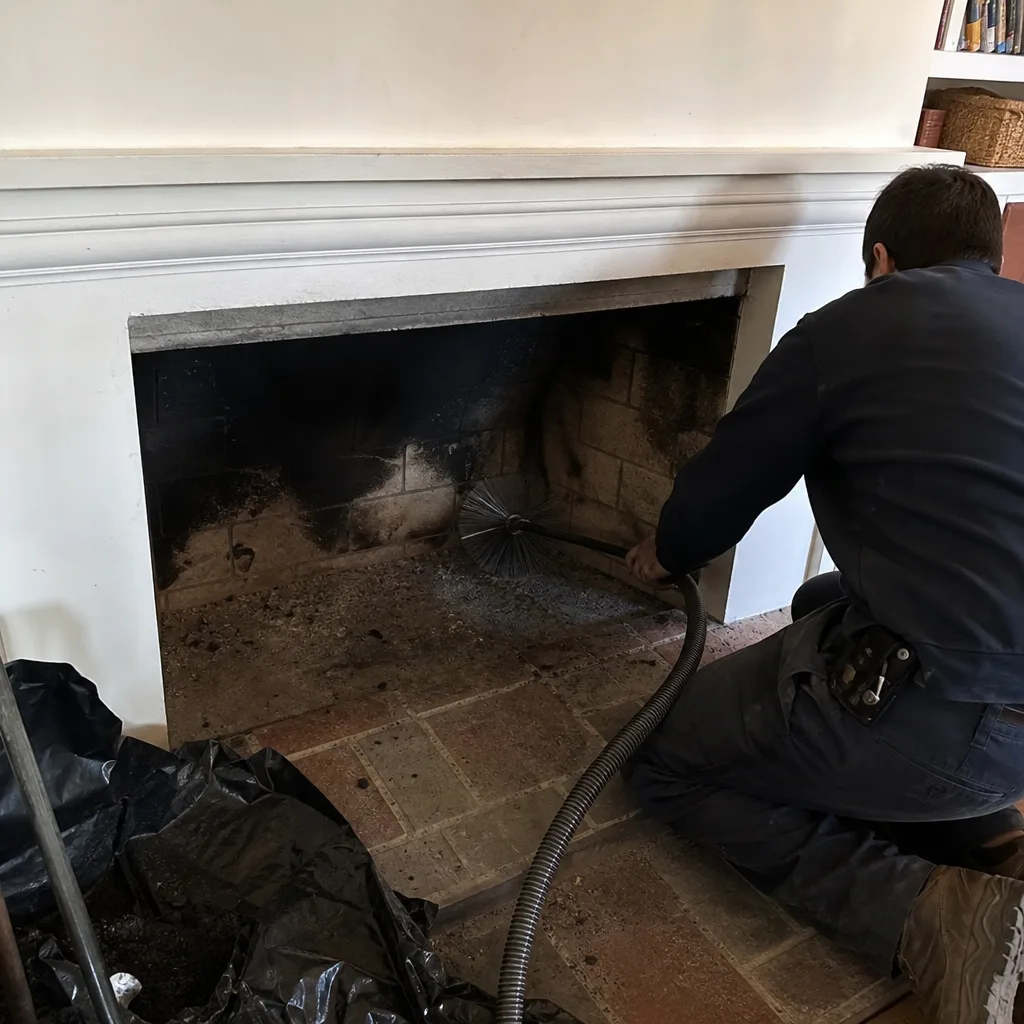 Before
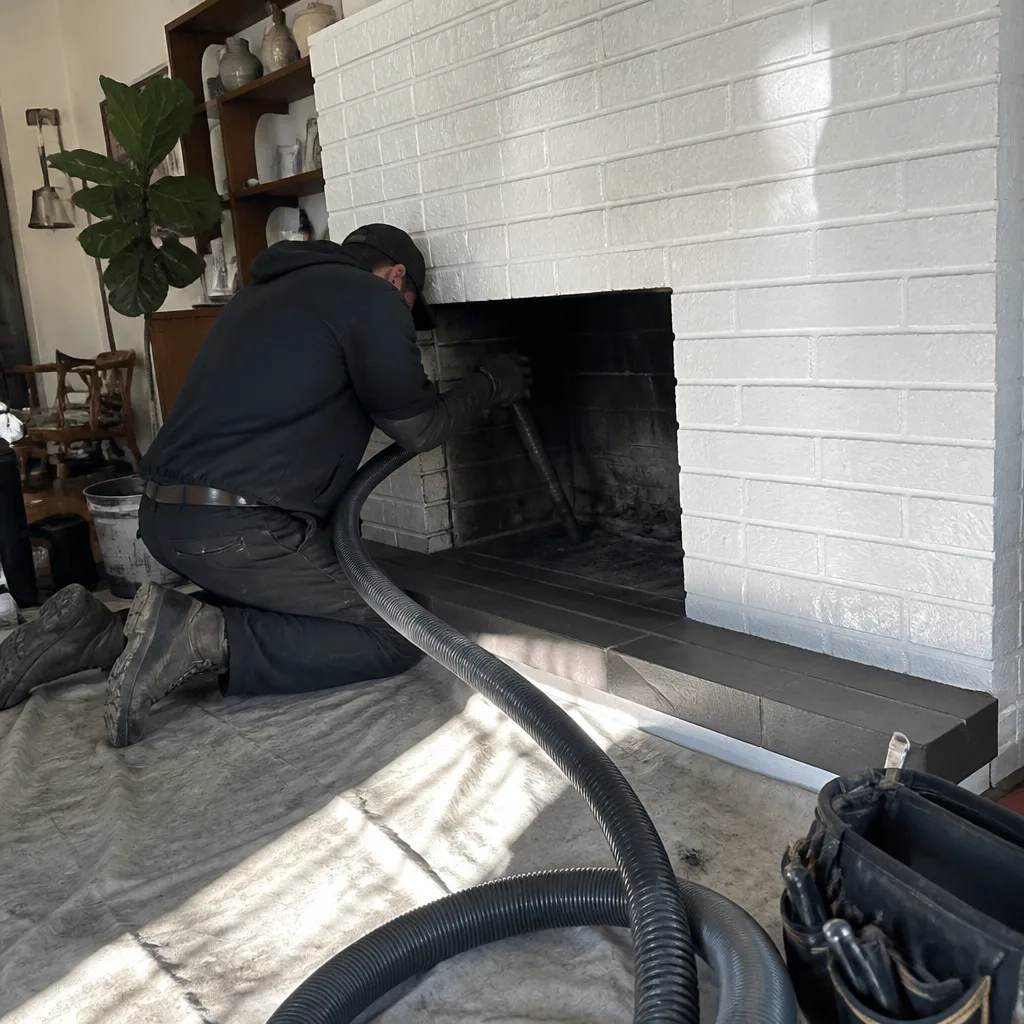 After
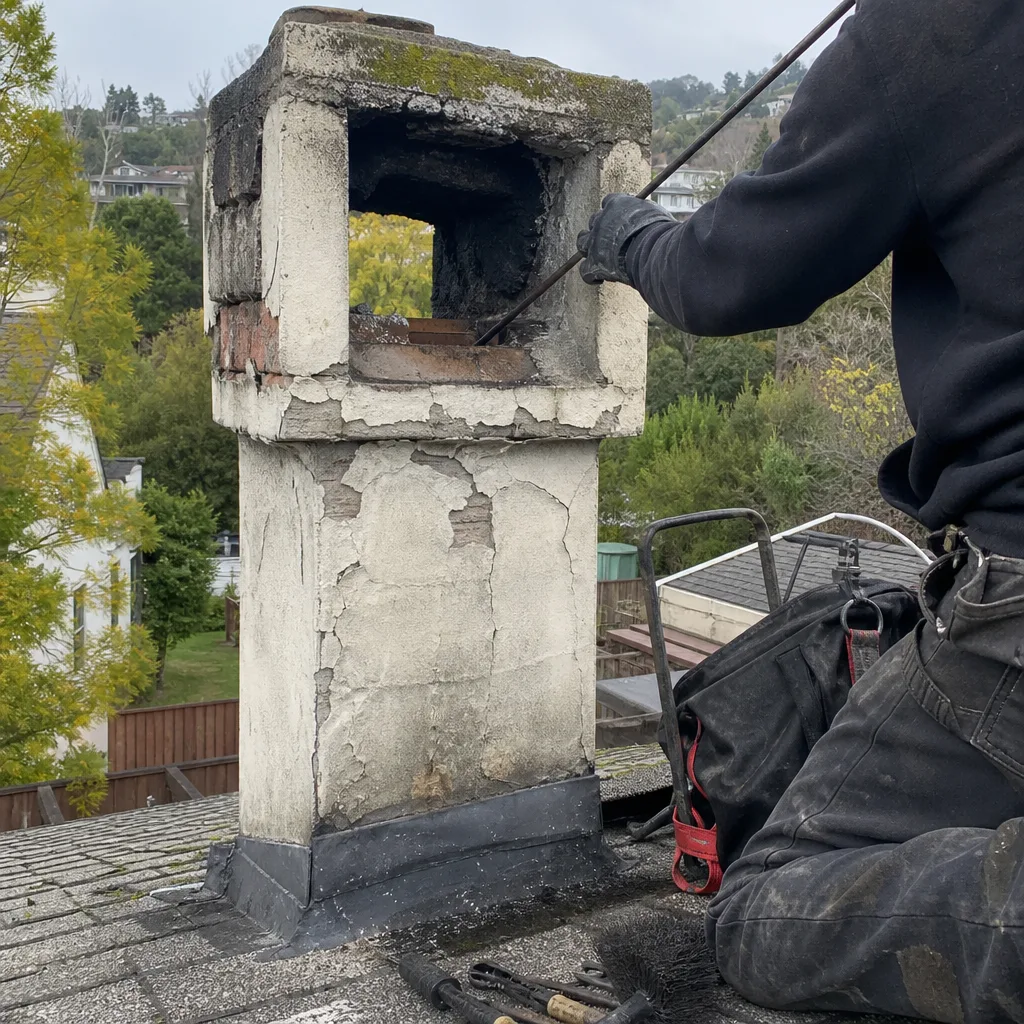 Before
 After
 Before
 After