
Last updated November 2, 2026
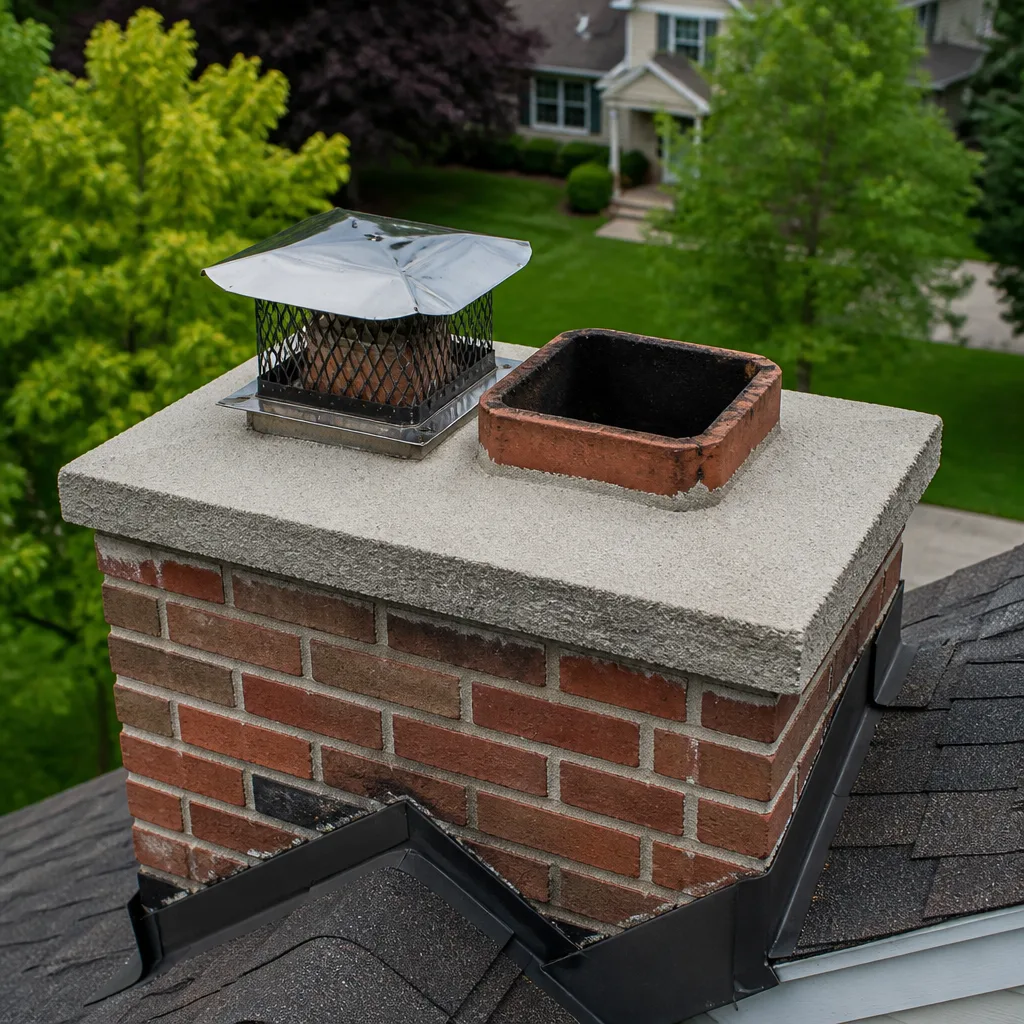 Sweep & inspection
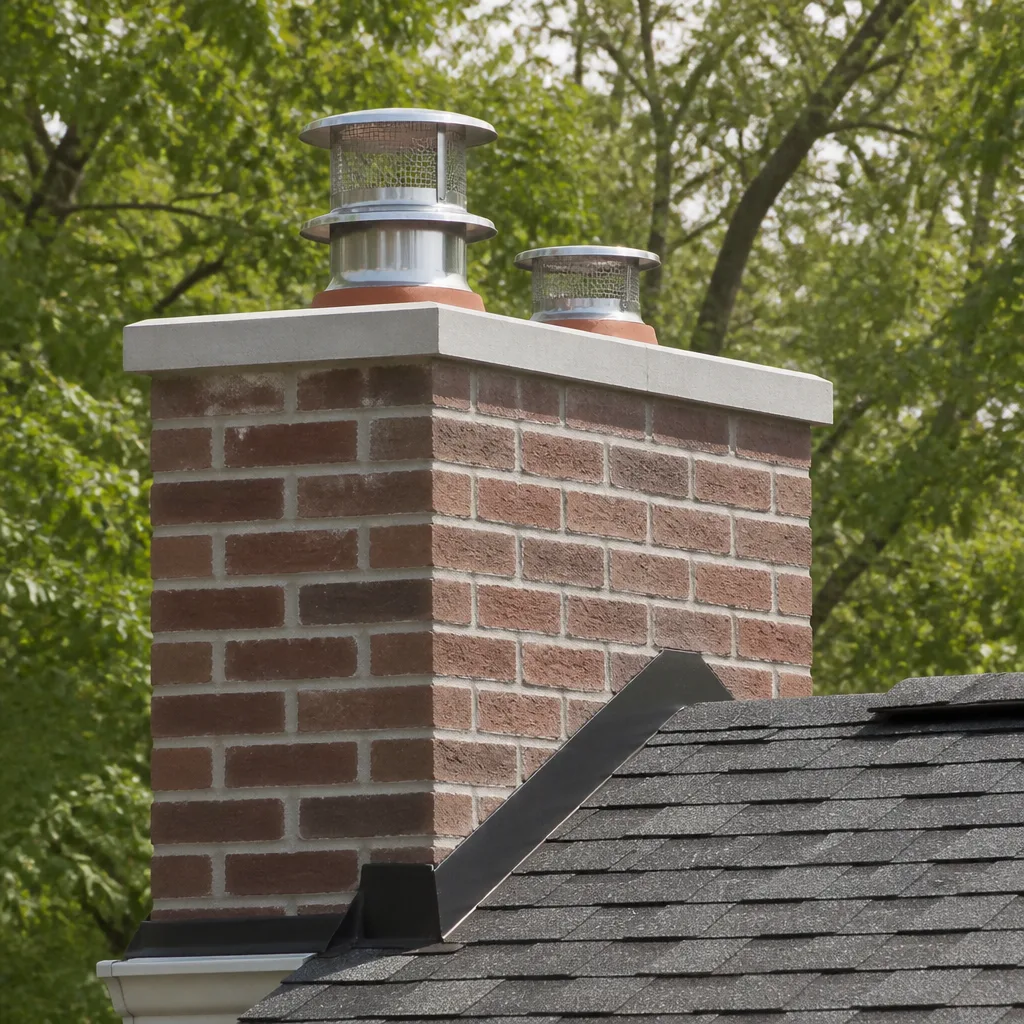 Caps & crowns
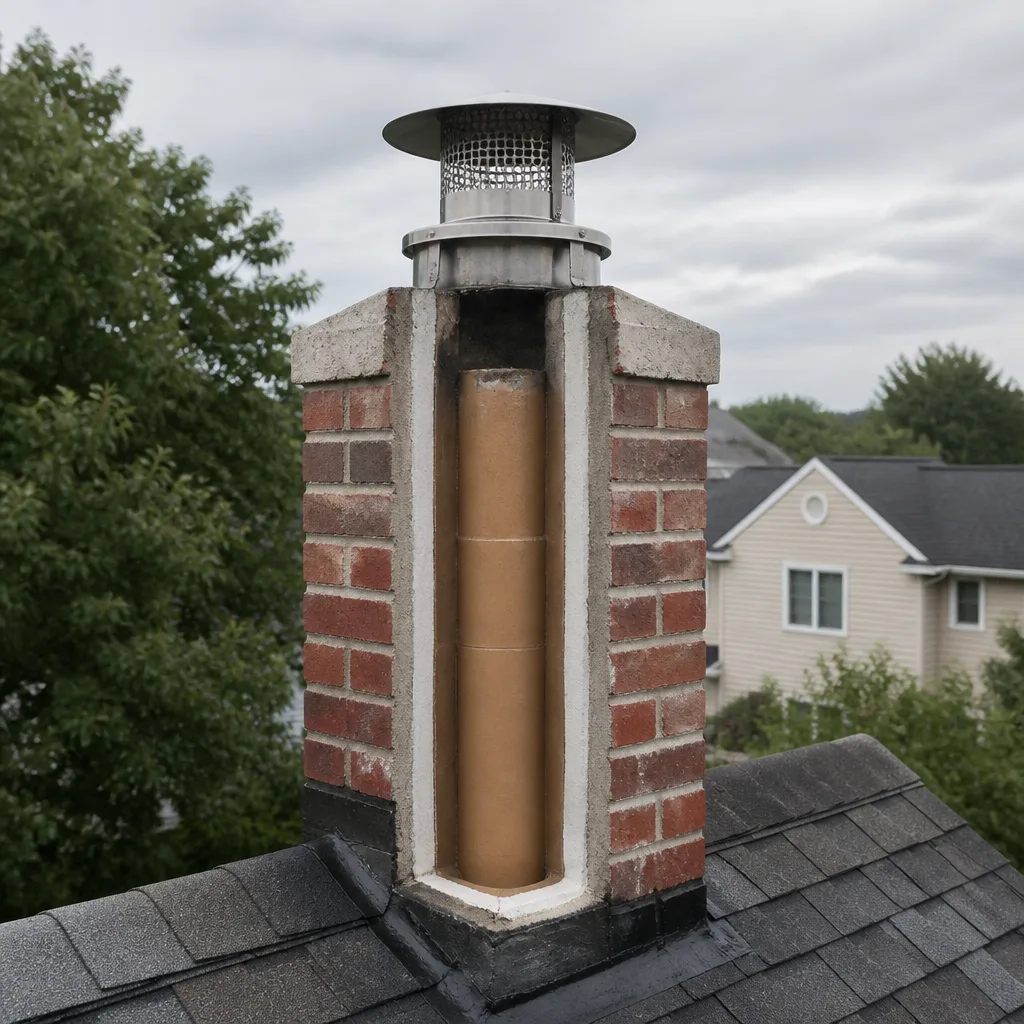 Flue relining
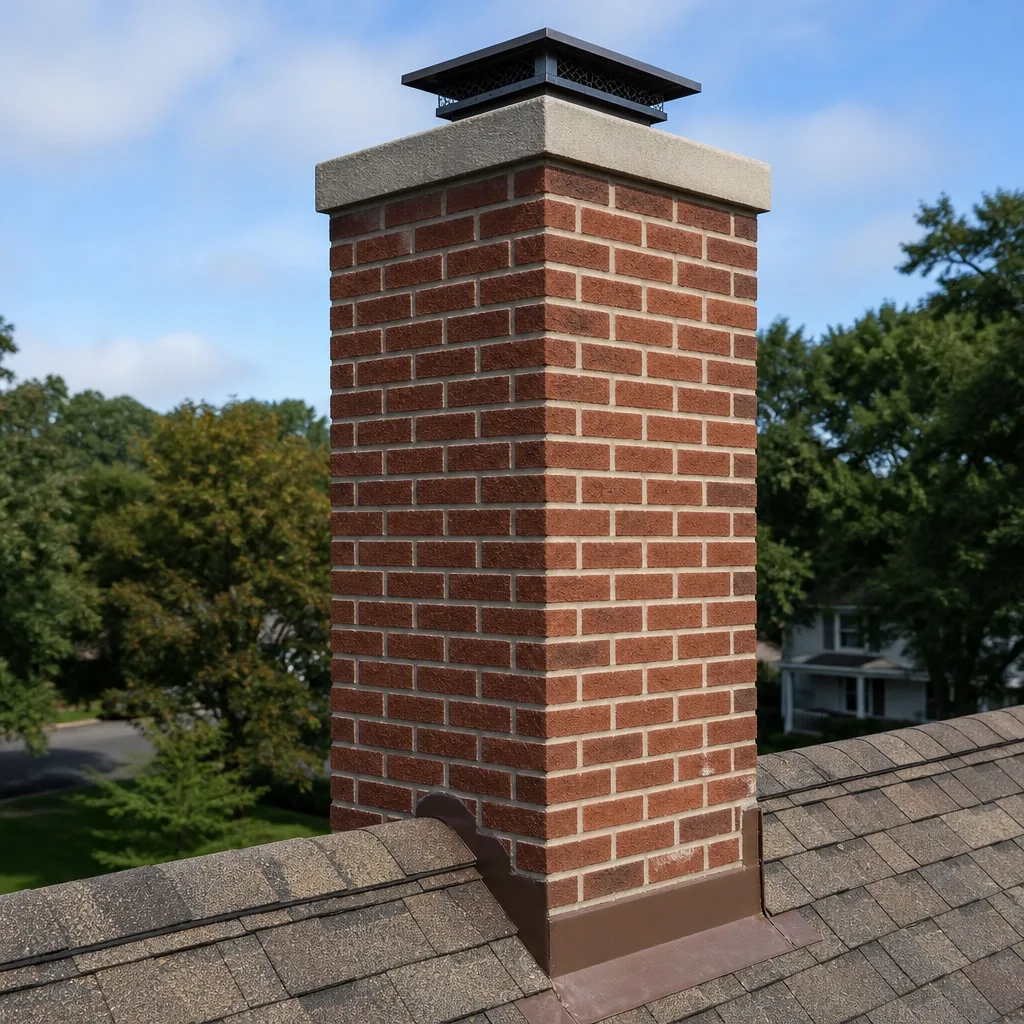 Masonry repair
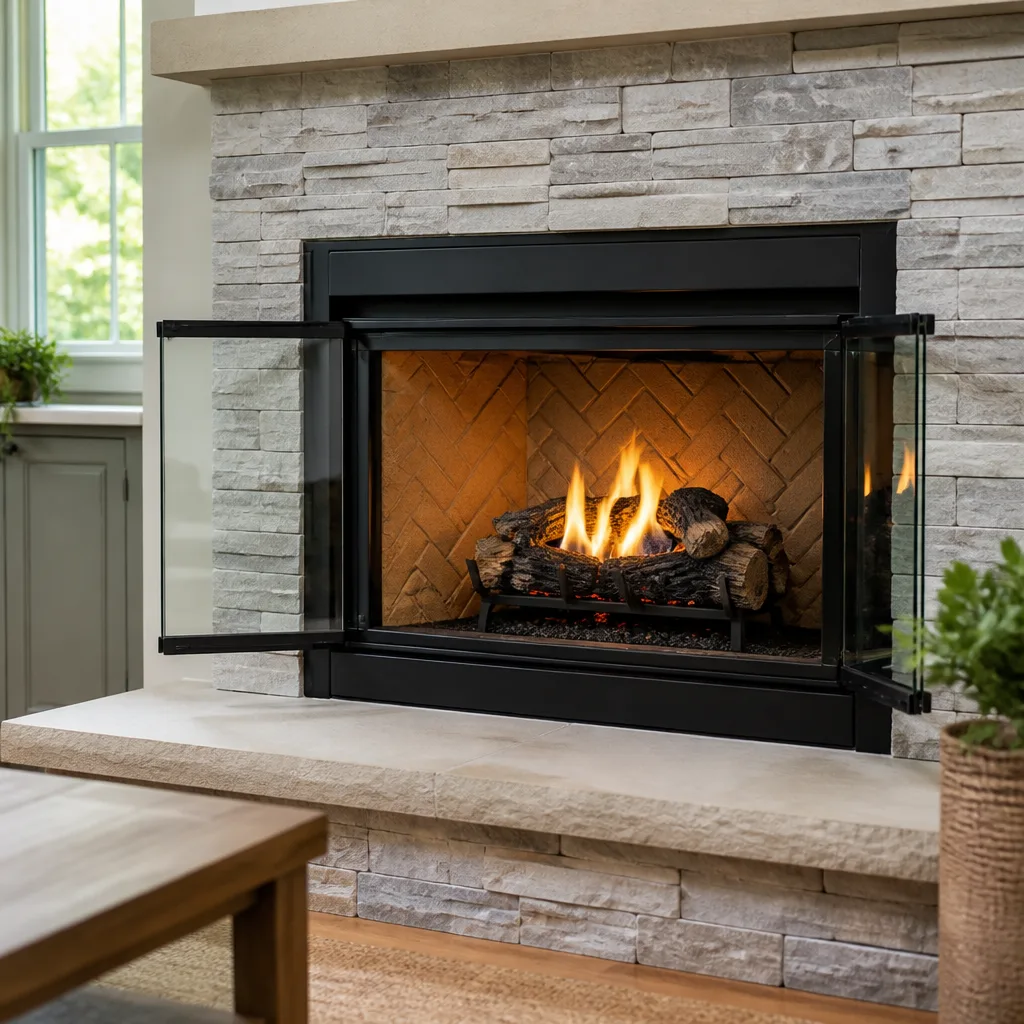 Gas fireplace service
Level 1 sweep and inspection to the NFPA 211 annual standard - flue, crown, cap, and flashing checked and photographed
Chimney sweep logs do not sweep chimneys. They loosen some creosote - which then falls where a brush and vacuum still have to collect it.
Chimney Sweep Troubleshooting: Common Problems and How to Fix Them
A fireplace that smokes into the room is one of the most complained-about chimney problems, and it’s also one of the most misdiagnosed, because four completely different root causes produce the exact same symptom. In Berkeley, where older Craftsman bungalows and Victorians make up a huge share of the housing stock, we see this pattern constantly: homeowners assume the worst, schedule an emergency call, and discover the fix took ten minutes and cost nothing. This guide teaches you to read the symptoms accurately before anyone picks up the phone. You’ll learn which problems you can address yourself, which ones signal a real structural issue, and when a professional in Berkeley is genuinely required.
Quick Answer
Most chimney problems fall into one of five categories: draft failure (smoke backing into the room), creosote buildup, water intrusion, damper malfunction, or structural deterioration. You can diagnose many of these at home in under ten minutes using the cold-flue smoke-back test, a visual inspection of the damper and firebox, and a smell test for creosote type. The goal of troubleshooting is not to turn you into a Chimney Sweep, but to help you identify whether you’re dealing with a temporary inconvenience or a fire hazard that needs professional attention.
Styles & brands we work with
- Sweep & inspection
- Caps & crowns
- Flue relining
- Masonry repair
- Gas fireplace service
Table of Contents
- The Cold-Flue Smoke-Back Test: Draft vs. Blockage in 5 Minutes
- Why a Fireplace That Worked Last Winter Fails This Year
- What Different Creosote Smells Actually Mean
- Damper Diagnosis: Warped, Corroded, or Just Misadjusted?
- White Staining on Exterior Brick: The Symptom Nobody Mentions
- Specific Troubleshooting for Gas Fireplaces and Inserts
- How Often Should You Actually Sweep? Berkeley-Specific Realities
- Common Mistakes to Avoid
- When to Call a Professional
- Frequently Asked Questions
The Cold-Flue Smoke-Back Test: Draft vs. Blockage in 5 Minutes
Smoke backing into the room has four distinct causes: a cold flue, a blocked cap or flue, negative air pressure inside the house, or a damper that’s not fully open. Here’s how to separate them without any special tools.
Before lighting any fire, crouch at the fireplace opening and place the back of your hand near the damper. If you feel cold air dropping down from the chimney, that’s a cold flue. The column of dense cold air sitting in the chimney is heavier than the warm air in your house, so it blocks the draft in both directions. It’s a pressure problem, not a blockage.
Light a single sheet of newspaper and hold it up inside the firebox, right under the open damper. Watch the smoke. If the smoke initially rolls toward the room and then, after 30 to 60 seconds, reverses and pulls upward, you’ve confirmed a cold flue. The heat from the paper warmed the air column enough to reverse it. If the smoke continues rolling into the room no matter how long you hold the paper, you’re likely dealing with a blockage or a negative-pressure issue in the house.
To distinguish blockage from house pressure, open a window in the same room and try again. If the smoke now draws upward, the problem was negative air pressure: a tight house, a running range hood, or a competing appliance (a furnace, a dryer, an exhaust fan) was pulling air down the chimney instead of letting it flow up. Berkeley’s older homes are rarely tight enough to cause this on their own, but if you’ve recently weather-sealed your windows and doors or installed a kitchen exhaust fan, negative pressure becomes a real possibility.
If opening a window doesn’t help and smoke still refuses to draw, you’re looking at a physical obstruction: a bird nest, a dead animal, heavy creosote narrowing the flue, a collapsed clay tile, or a cap clogged with debris. That’s the point where you stop trying to burn and start making calls. Continuing to burn into a blocked flue pushes carbon monoxide and smoke directly into the house.
Key takeaway: cold flue = smoke that starts bad and improves with heat. Blockage = smoke that never improves. Negative pressure = smoke that improves when you open a window.
Why a Fireplace That Worked Last Winter Fails This Year
When a fireplace that burned fine for years suddenly starts smoking, homeowners assume something broke. In most cases, something changed. Specifically, one of three things.
- Something new is competing for air. Did you install a new furnace, a more powerful bathroom fan, a down-draft range hood, or new double-pane windows in the last year? Any of those changes the pressure balance inside your house. A chimney that was just barely drafting before can tip into failure when a new exhaust appliance starts pulling harder. This is fixable: crack a window when burning, upgrade the chimney cap to one that handles wind better, or have a technician assess whether a draft-supply vent is practical for your setup.
- Creosote has narrowed the flue past a critical point. A flue that accumulated, say, a quarter-inch of creosote without issue can become a problem at three-eighths of an inch, because the narrowing effect is exponential: the opening area shrinks by the square of the buildup. The fireplace “worked last year” because last year’s flue was still wide enough to pass flue gasses. This year it’s not. The fix is a professional sweep, with a visual inspection to confirm the flue diameter afterward.
- Something moved into the chimney. Here in Berkeley, we deal with two wildlife realities that many troubleshooting guides never mention: raccoons in older redwood-stick chimneys and starlings or squirrels nesting in unlined flues. A nest built in spring may sit dormant all summer, then catch smoke from the first fall fire and smolder or block the draft entirely. If you heard scratching in the chimney at any point in the past few months and the fireplace worked fine before that, assume the flue is compromised until proven otherwise.
None of these three causes requires a liner replacement. That’s worth saying plainly: a fireplace that worked last year and fails this year is almost never a structural catastrophe. It’s a pressure change, a volume issue, or a tenant with fur. All three are solvable, and two of the three are solved with a sweep and a chimney sweep in Berkeley.
What Different Creosote Smells Actually Mean
Creosote isn’t just creosote. The smell tells you more about your burn habits and cleaning urgency than most people realize. Here’s what we’ve learned from thousands of inspections across Berkeley’s neighborhoods, from the flats to the hills.
Sharp, tar-like, asphalt smell on warm days. This is Stage 1 or Stage 2 creosote, the flaky or crusty deposit left by incomplete combustion. When it warms, volatile compounds release. If you only smell it in summer and never in winter, your creosote is sitting at a level that needs a sweep but isn’t an immediate emergency. The smell is a timer, not an alarm.
Acrid, bitter smell that irritates your eyes or throat even when cold. This indicates Stage 3 creosote, the hard, glassy glaze that forms when flue temperatures cycle hot and cold repeatedly. It’s not going to be brushed out with standard sweeping methods. It’s also the most likely to ignite, because glazed creosote is a highly concentrated fuel. If you smell this, stop burning and schedule a professional inspection. Chemical removal products will not solve Stage 3 glazing.
Campfire or woodsmoke smell that appears after rain. This is usually not creosote at all. It’s moisture contacting accumulated soot inside the flue, and it’s a sign of water intrusion: a missing cap, cracked crown, or deteriorated flashing. The smell is woodsmoke-like because the soot is being re-moistened. Fix the water entry point first, then have the flue cleaned. If you clean without fixing the water, the smell returns after the next storm.
Sweet, cloying, or rotting smell. That’s not creosote. That’s an animal, most likely dead or nesting, in or near the flue. No cleaning or sweeping product will help. It needs physical removal and then a cap or screening upgrade to prevent recurrence. We’ve removed enough squirrel and starling nests in Berkeley to know this smell immediately.
Berkeley’s damp, mild climate means creosote absorbs moisture more readily than it would in a dry climate, which changes how it smells and how it behaves. A chimney that would read as “moderately dirty” in Phoenix can smell significantly stronger here because the humidity activates those volatile compounds.
Damper Diagnosis: Warped, Corroded, or Just Misadjusted?
The damper is the most neglected moving part in the house. It sits directly over the fire, gets baked by heat, and then sits damp and cold for months at a time. Berkeley’s coastal moisture accelerates corrosion on dampers that would last decades in a drier climate. Here’s how to tell what you’re dealing with, from the firebox, before you call anyone.
Misadjusted (fixable by you, usually): The damper handle or lever moves, but the plate doesn’t sit flush when “closed” or doesn’t open fully when “open.” Look for play in the linkage: if moving the lever produces delayed or partial movement in the plate, the linkage is loose. Tightening the set screw at the lever base or replacing a worn cotter pin solves this. Take a photo before you disassemble anything so you can reassemble it correctly.
Corroded (replaceable, not urgent unless it’s stuck open): Rust blooms on the plate surface, or pitting around the pivot. A corroded damper still functions, but it’s losing metal. The danger is when corrosion seizes the pivot entirely and the damper freezes open mid-winter, turning the fireplace into a heat drain. If you see heavy rust but it still moves, plan to replace it before the next burn season.
Warped (replace now): A damper plate that has curved or bowed will never seal, open or closed. Warping happens when someone burned a fire too hot, or when a chimney fire occurred in the past without the homeowner knowing. A warped plate is a safety issue because it can jam mid-burn, and a water issue because it allows constant air exchange. This is not a DIY fix. Replacing a warped damper requires knowing the exact make and model or measuring for a compatible replacement, and installing a new one correctly requires chimney repair in Berkeley experience because the frame is typically set in mortar or clip-connected to the flue liner.
The damper components we most often replace or retrofit in Berkeley homes are sourced from Famco and Gelco, the same damper and cap brands used on commercial-scale installs. Those names matter because a proper replacement damper is fabricated to tighter tolerances than the big-box versions, and a damper that doesn’t seal is a damper that doesn’t do its job.
White Staining on Exterior Brick: The Symptom Nobody Mentions
Here’s the troubleshooting symptom that almost never appears in guides: a white, chalky film on the exterior brick of your chimney. This is called efflorescence, and it’s not a cosmetic issue. It’s a diagnostic sign.
Efflorescence forms when water has been absorbed into the masonry and is now migrating back out, carrying dissolved minerals with it. The white stain is the mineral deposit left after the water evaporates. What it tells you is that water is actively moving through your chimney’s structure. The water may be entering through a cracked crown, porous brick, failed mortar joints, or a missing or deteriorated cap.
In Berkeley, the combination of winter rains, bay fog, and temperature swings between warm days and cold nights makes cycling water intrusion a year-round reality, not just a rainy season problem. Efflorescence on a chimney that faces south or west in the Berkeley hills is often the first visible sign of a problem that will eventually become spalling (brick faces popping off), soaked flue liners, and rusting damper hardware.
Three things you can check when you spot efflorescence:
- Is the cap intact? A missing cap or a cap with rusted-out mesh is the most common water entry point. Replacement is straightforward and uses the same top-mount caps we source from Copperfield and Gelco.
- Is the crown cracked or pitted? The crown is the sloped concrete or masonry surface that caps the chimney structure at the top. If it’s cracked, water enters directly into the brickwork. Crown repair is more involved than cap replacement but dramatically less expensive than liner replacement, which is what you’ll eventually need if water keeps saturating the flue.
- Are the mortar joints eroded? If you can run a screwdriver across the mortar and it crumbles or drops material, the joints have lost their weatherproof integrity. Repointing restores the mortar maze and stops bulk water absorption.
Efflorescence is the “check engine light” of chimney masonry. It’s telling you to look further. The good news is that catching water intrusion at the efflorescence stage almost always means you avoid the expensive repair stages that follow.
If you’re seeing white staining on your chimney and want to know exactly where the water is getting in, that’s a service call we can handle at Chimney Sweep Berkeley. We don’t hand off masonry work to a third party, and we document everything with photos so you can see the evidence before approving any repair.
Specific Troubleshooting for Gas Fireplaces and Inserts
Gas fireplaces and inserts present a different symptom set than wood-burning systems, and misdiagnosing them can be more dangerous. Here’s what to check when a gas unit misbehaves.
Yellow, lazy flames instead of blue tips. A properly burning gas fire has a strong blue base with small yellow tips. If the flames are predominantly yellow and soft-looking, the burn is incomplete, and incomplete combustion produces carbon monoxide. This is not a normal operating condition. The cause is usually dirty burner ports, clogged air shutters, or incorrect gas pressure. Turn the unit off and have it serviced.
Glass face that’s sooting up black. Soot on a gas fireplace glass is a symptom of the same incomplete combustion problem, not a cleaning issue. Wiping the glass doesn’t solve it. The soot will return as long as the air-to-fuel ratio is wrong.
Smell of gas when the unit is off. If you smell gas with the unit off, that’s an emergency. Leave the house and call your gas utility immediately. Do not flip switches, use your phone inside, or re-enter until the utility has cleared the situation. A gas smell only when the unit is running is still worth investigating, but a persistent gas smell with everything off is the line where troubleshooting can wait and evacuation wins.
Unit fires up, runs briefly, and shuts down. This is almost always the thermocouple or the venting system. The thermocouple sits in the pilot flame and generates the tiny electrical current that holds the gas valve open. When the thermocouple fails, the unit shuts down as a safety response. If the venting is blocked or improperly terminated, a spill switch may trip for the same protective reason. Both require professional diagnosis with a combustion analyzer to confirm CO levels.
Berkeley homes with gas fireplaces built in the 1980s and 1990s often have venting that was code-compliant at the time but falls far short of current standards. That doesn’t mean the fireplace is dangerous, but it does mean an inspection from someone who focuses only on chimneys and venting, not general HVAC, is the right call when symptoms appear.
How Often Should You Actually Sweep? Berkeley-Specific Realities
The National Fire Protection Association (NFPA) guideline says chimneys should be inspected at least once a year and swept when creosote buildup reaches one-eighth of an inch. That’s the standard. Here’s what it means in Berkeley specifically.
Berkeley’s climate is not like the Midwest or the Northeast. We don’t have a winter where the fireplace runs every day for five months. We burn heavily from roughly November through February, sporadically in March and April, and not at all through the warmer months. That pattern changes what “one year” of creosote accumulation means.
If you burn dry, seasoned hardwood and you burn hot, clean fires, you may be able to go two seasons between professional sweeps in Berkeley. If you burn whatever’s available, including construction lumber, softwoods, or unseasoned wood you’ve picked up somewhere, you may need sweeping after a single season. The variable isn’t the calendar. It’s what you’re burning and how.
We recommend this practical schedule for Berkeley homeowners:
- Burn more than 3 fires per week during burn season: sweep every year.
- Burn 1 to 3 fires per week during burn season: sweep every year or every other year, based on what the technician finds the first year.
- Burn only on holidays or special occasions: sweep every 2 years, but still inspect annually, because animals, water, and cap deterioration don’t care how often you burn.
- Wood stove heated 5+ days per week (common in Berkeley hills homes off gas lines): sweep every year, no exceptions. Wood stoves produce more creosote per cord than fireplaces because of lower flue gas temperatures and smoldering burn cycles.
A chimney that goes uncleaned eventually becomes a chimney that has a flue fire. A flue fire, even a small one that you never see from the room, can crack the liner and compromise the fire safety of the entire assembly. When a professional sweeps a Berkeley chimney, part of the job is documenting what they separate from the flue and verifying the liner is still sound.
Common Mistakes to Avoid
- Burning a “chimney cleaning log” and calling it a sweep. Chemical treatment logs can loosen some Stage 1 creosote, but they don’t remove it. The material falls into the smoke shelf or stays adhered until a real sweep removes it. A treated log is a supplement, not a substitution.
- Closing the damper as far as it goes and assuming it’s airtight. Most dampers in Berkeley homes leak when closed. The test is simple: light an incense stick near the closed damper and watch the smoke. If it drifts up into the chimney, the damper isn’t sealing and you’re heating the outside all winter.
- Ignoring a smoke-back problem by just opening a window every time. If a window “fixes” the draft, the house has a negative pressure problem. That’s a ventilation issue that affects more than just the fireplace, including whether a water heater or furnace backdrafts carbon monoxide into the living space on its own.
- Waiting to address efflorescence because “the fireplace still works.” The fireplace works right up until the liner is saturated, the flue tiles are cracked, and the firebox is sopping. By then you’re looking at a liner repair or replacement that a simple cap or crown fix would have prevented.
- Poking at creosote buildup with a metal rod or chemical “degreaser” from the hardware store. Creosote is fuel. Knocking it down without a proper brush, drop cloths, and airflow control just relocates a fire hazard to the smoke shelf and the firebox floor, where it can ignite on the next burn. If it’s time to clean, it’s time to clean properly.
- Ignoring a gas odor on a gas fireplace because “it’s always smelled a little.” Gas smells are never normal. A persistent low-level odor can indicate a leak at a fitting, and the fact that it hasn’t caused a fire yet is not evidence that it won’t.
- Assuming a chimney that hasn’t been used in ten years is fine because nothing broke. Sitting unused is not the same as being maintained. Water, animals, and rust don’t take the decade off. A chimney that’s been dormant for years in Berkeley’s damp climate needs the same full inspection as one that burns weekly.
When to Call a Professional
Some troubleshooting conclusions lead to action you can take yourself: tightening a damper linkage, opening a window, changing your wood source, or scheduling a sweep. For deeper reading, see our The Complete Chimney Sweep Guide for Berkeley Homeowners. But several outcomes point squarely to professional intervention. If the cold-flue test confirms a physical blockage, if you smell Stage 3 creosote, if you see efflorescence and can’t identify the entry point, if a gas unit shows yellow flames or sooting glass, or if the damper is warped beyond function, stop troubleshooting. These are not conditions that improve with time or homemade fixes. A blocked flue is a carbon monoxide risk. Stage 3 creosote is a chimney fire risk. Water intrusion is a structural failure in motion. Gas combustion problems are an invisible, odorless threat. Chimney Sweep Berkeley offers free estimates in Berkeley, and we walk you through what we found with camera photos and clear pricing before any work begins. Call (855) 382-9432 if you’d like a professional eye on a problem this guide has helped you identify.
Frequently Asked Questions
A standard chimney sweep in Berkeley typically runs between $180 and $340, depending on the flue type, accessibility, and the amount of creosote or debris needing removal. For help selecting a service, read our Choosing the Right Chimney Cleaning Brand: A Buyer’s Guide for Berkeley. That price is almost always worth it: the alternative is finding out about a hidden liner crack via a chimney fire. If you’d like an exact number for your fireplace, call (855) 382-9432 and we’ll quote you over the phone.
Not every damaged liner requires full replacement. A liner with minor cracking or surface deterioration can sometimes be resurfaced using HeatShield, a ceramic restoration system that restores the flue’s integrity and fire resistance without the cost of tearing out and installing new liner material. The right answer depends on the liner’s condition and the flue’s geometry, and you should demand an inspection that gives you camera evidence either way. We tell you what we found, not what sells the biggest job.
The NFPA standard is at least once a year, but in Berkeley’s climate a lighter burner can sometimes go two years based on what we find at the first inspection. The honest answer: burn habits, wood type, and what’s living in your flue are the real variables. Hardwood burnt hot leaves far less creosote than softwood burned cool, and a racoon doesn’t check your burn schedule before moving in.
Creosote continues to accumulate and eventually reaches either the point where it ignites, the point where it blocks enough draft to push smoke and carbon monoxide into the house, or the point where animals and debris have functionally closed the flue. Which one arrives first depends on how and what you burn, but they all end in the same place: a fire, an evacuation, or a much more expensive repair than a sweep.
You can remove light soot and Stage 1 creosote with a proper chimney brush, but you won’t be able to remove Stage 2 or Stage 3 creosote safely, verify liner condition, or clean the areas you can’t see from the firebox. A professional sweep also removes the material safely rather than dropping it into the smoke shelf, and the inspection that follows is the part that catches the liner cracks, cap damage, and animal nests. Explore more guides & resources on our blog. Call (855) 382-9432 to get a clear picture of what your chimney actually needs.
Berkeley’s chimney caps do three jobs: keep rain and fog out of the flue, keep animals from nesting or falling in, and prevent downdrafts from spilling smoke into the room on windy days. A missing or deteriorated cap is the single most common cause of water intrusion and animal blockage in Berkeley chimneys, and replacement is one of the least expensive repairs we perform. If you haven’t looked at your cap in years, that’s the place to start.
The Bottom Line
Chimney troubleshooting is not about becoming your own sweep. It’s about knowing the difference between a cold-flue draft issue, a house pressure problem, a creosote loading issue, and a physical blockage, because each one has a different urgency and a different fix. The cold-flue test takes five minutes and can save you a service call. The smell test for creosote tells you whether you’re scheduling a sweep or stopping all burning immediately. The efflorescence check on exterior brick catches water intrusion before it becomes liner replacement. And when any of these checks points past what you can verify yourself, a professional sweep with a camera and a willingness to show you the evidence is the rational next step. You can find more at our dryer vent cleaning page too, because the same inspection logic applies to the other major fire hazard in a Berkeley home. Professional-grade materials, properly installed, and a clean inspection report you can stand behind. That’s the standard, and that’s what we do.
Written by the team at Chimney Sweep Berkeley, serving Berkeley since 2015.
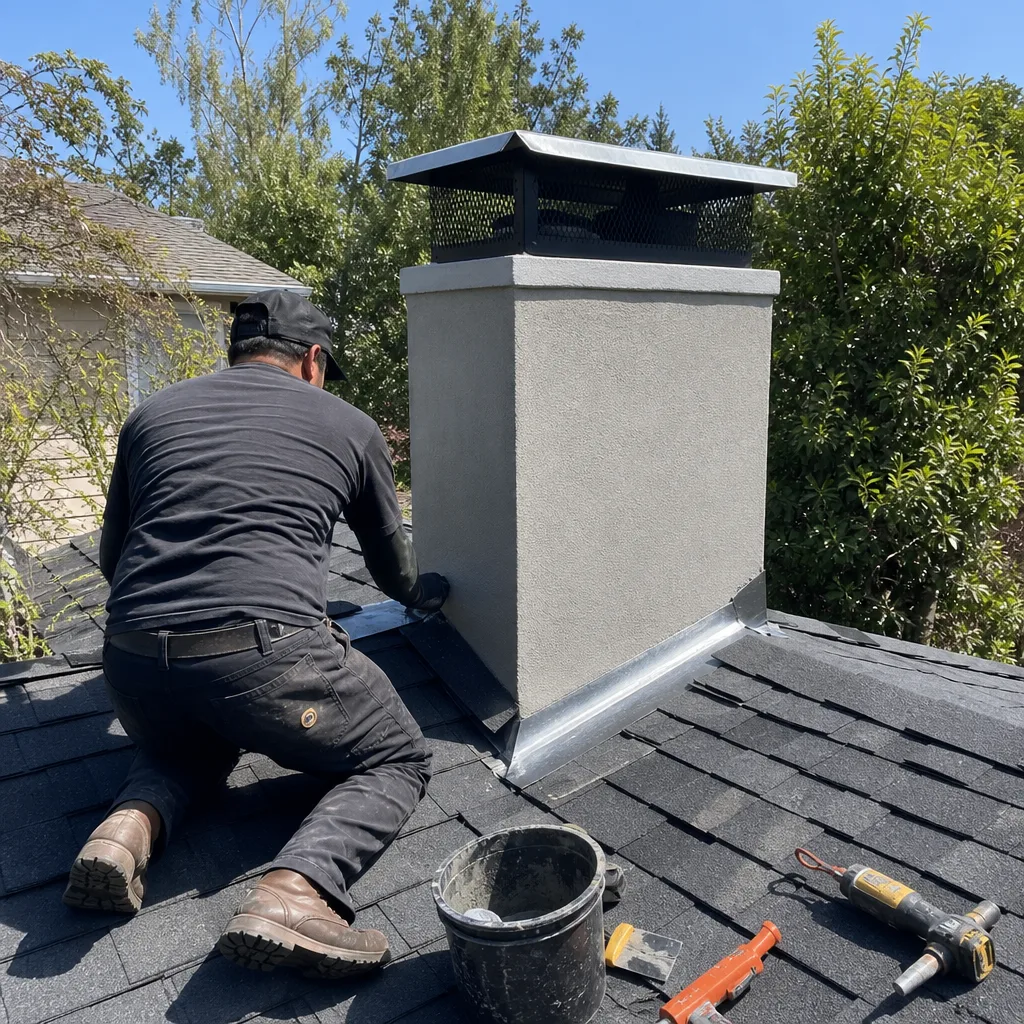
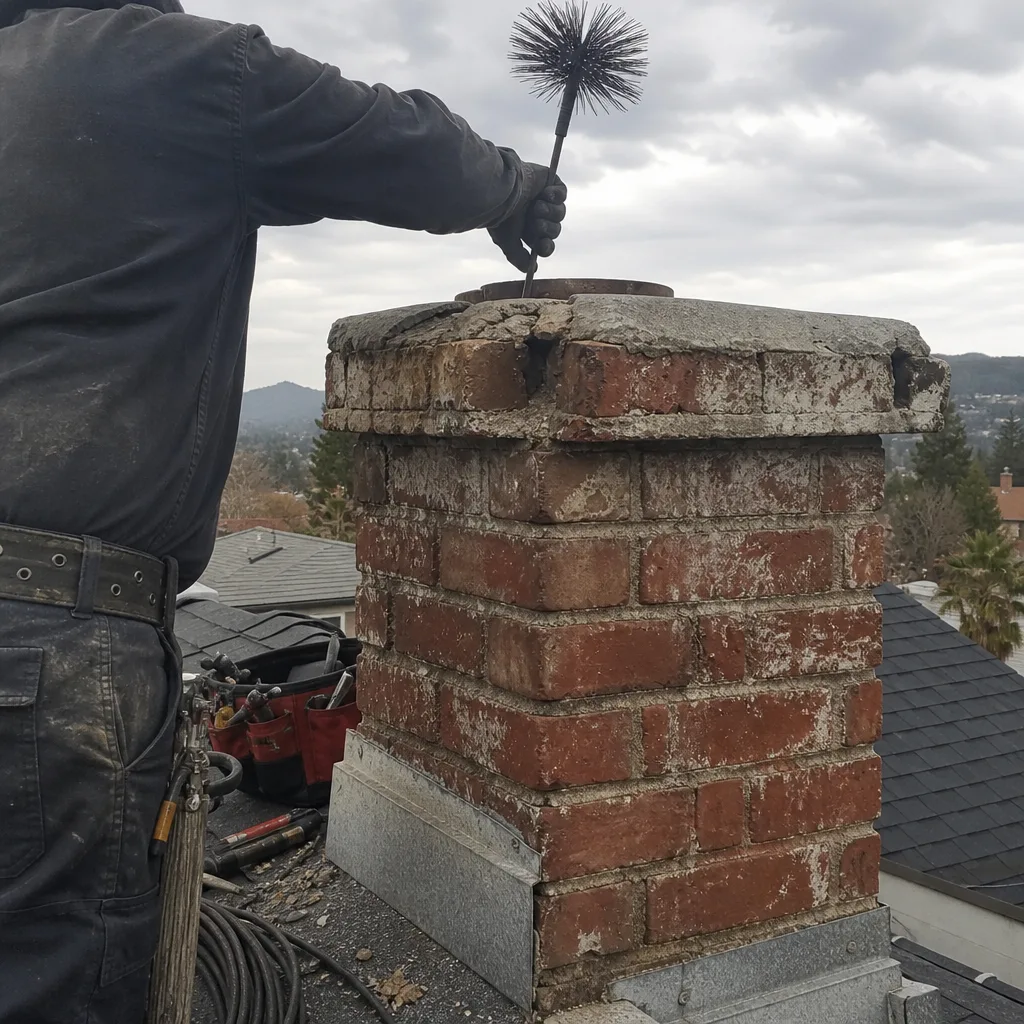
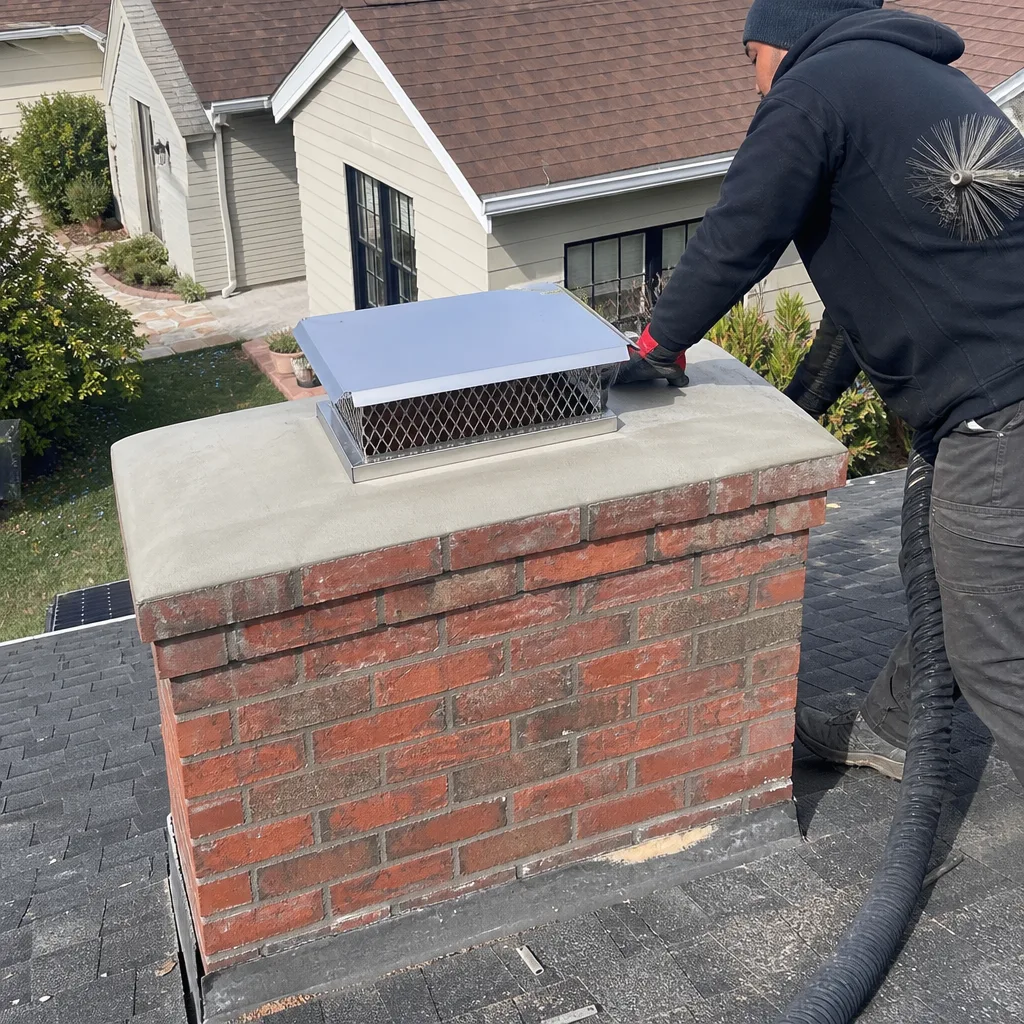
See the difference
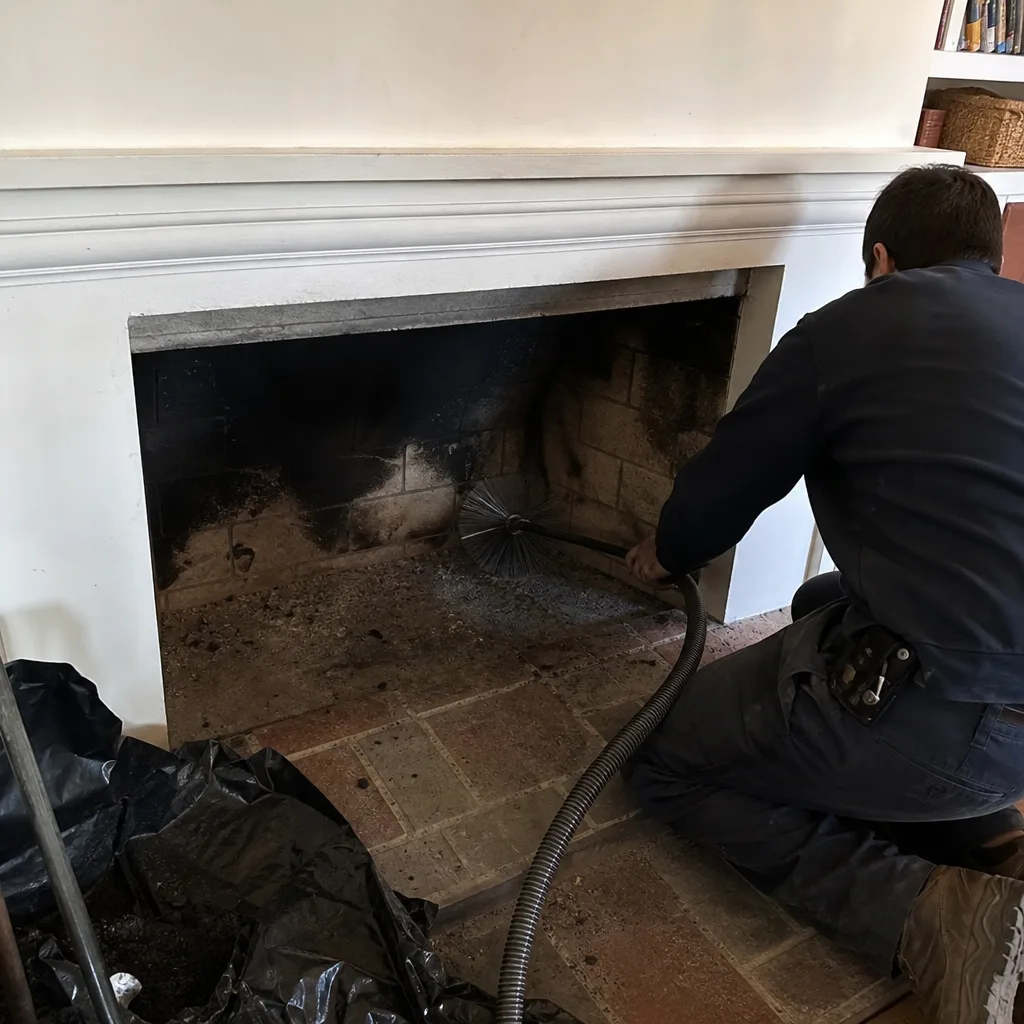 Before
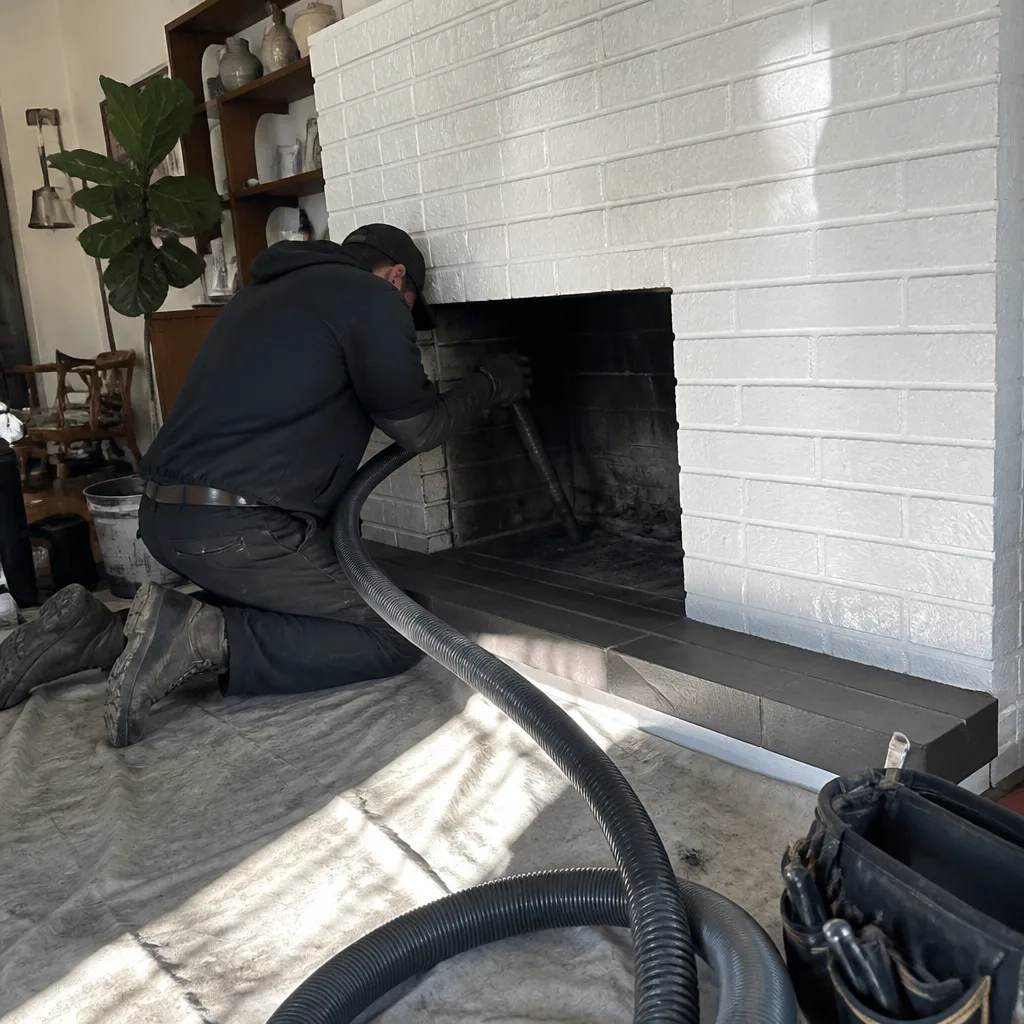 After
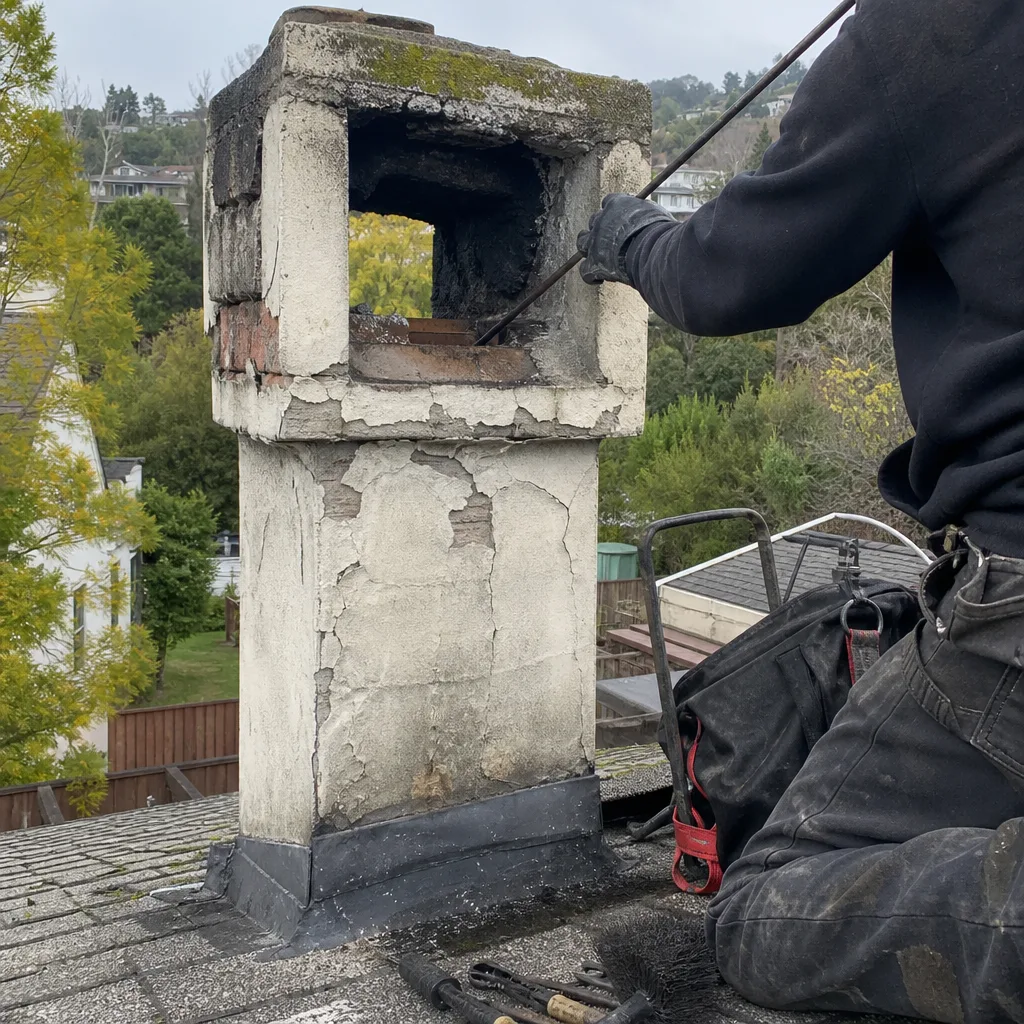 Before
 After
 Before
 After