
Last updated November 2, 2026
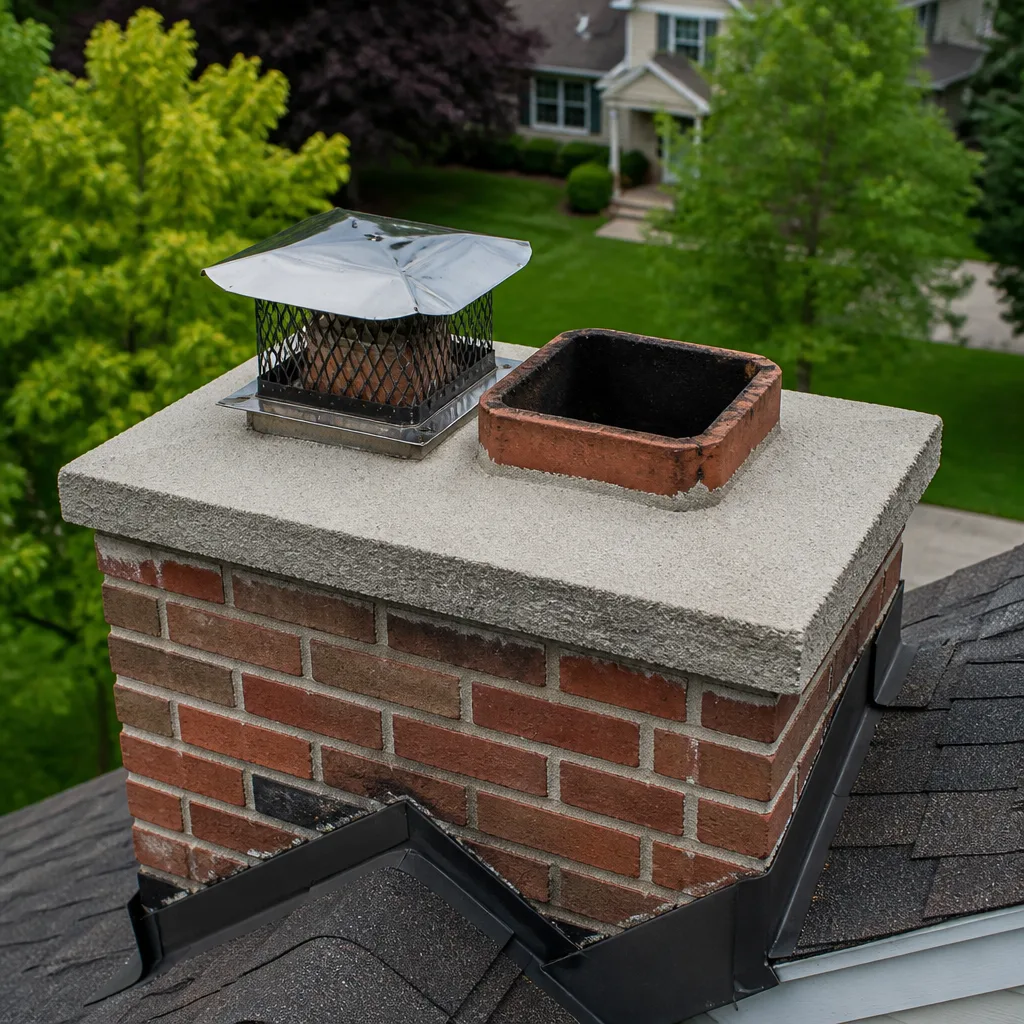 Sweep & inspection
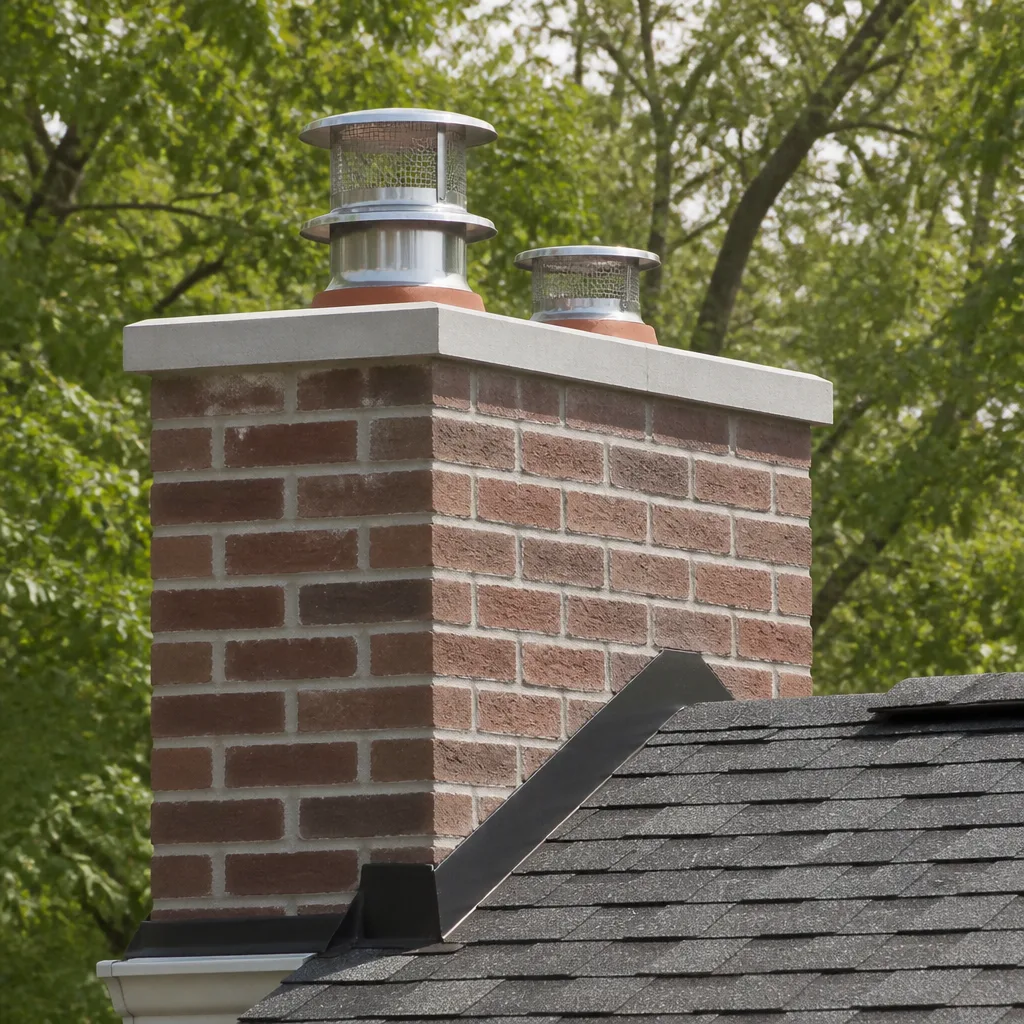 Caps & crowns
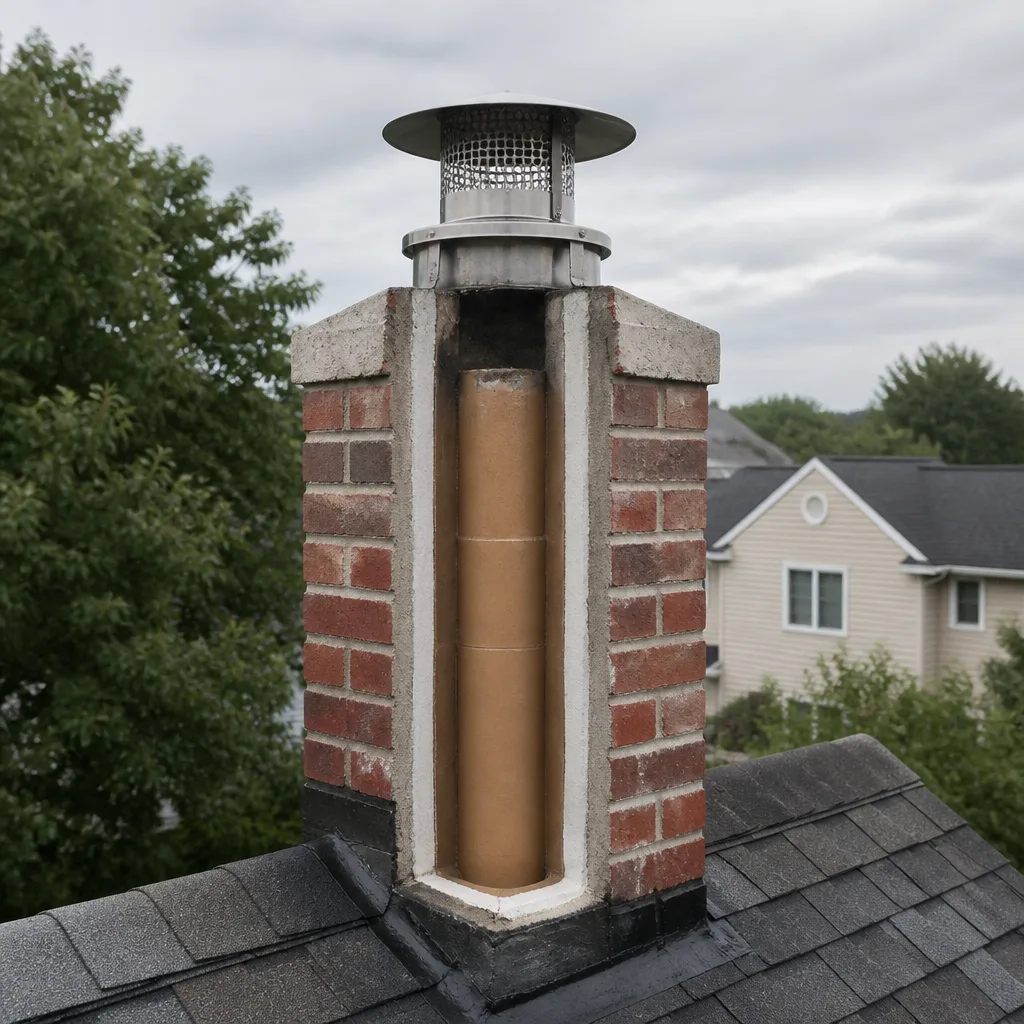 Flue relining
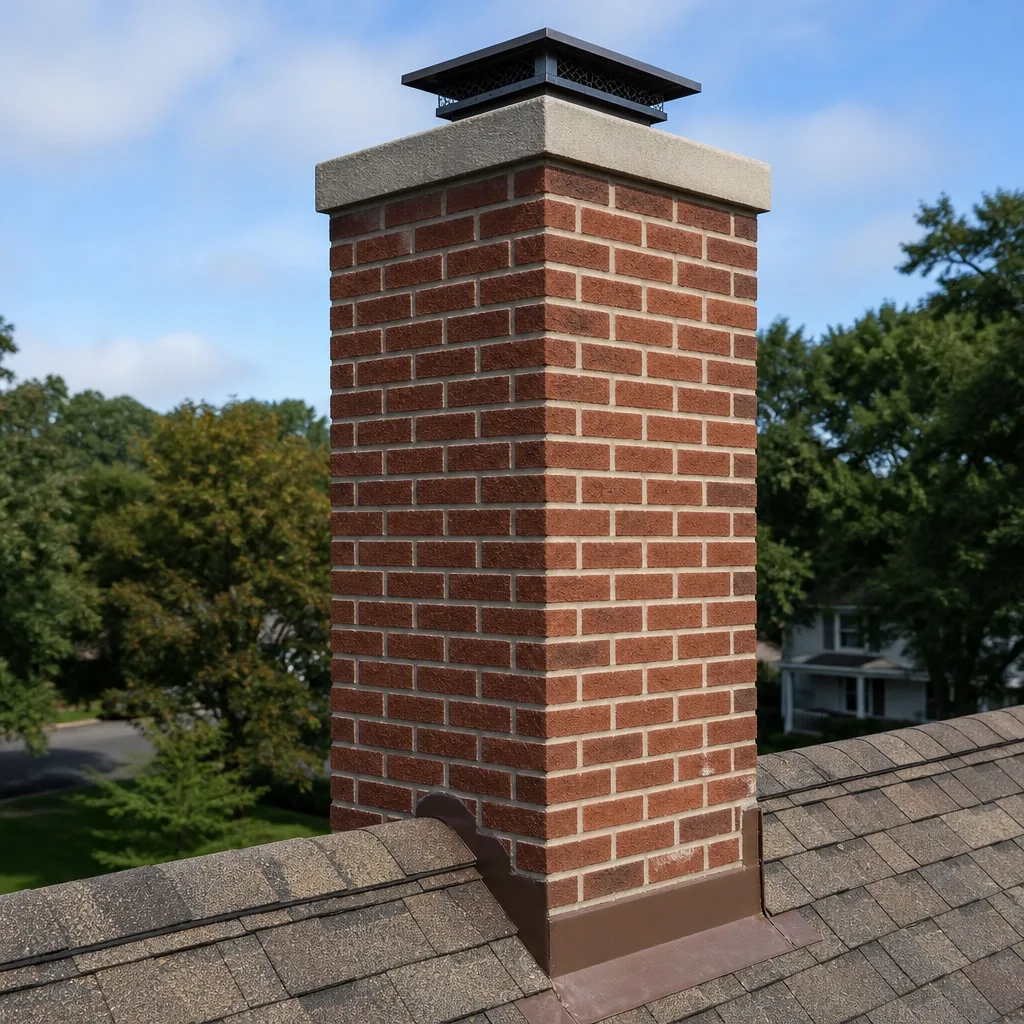 Masonry repair
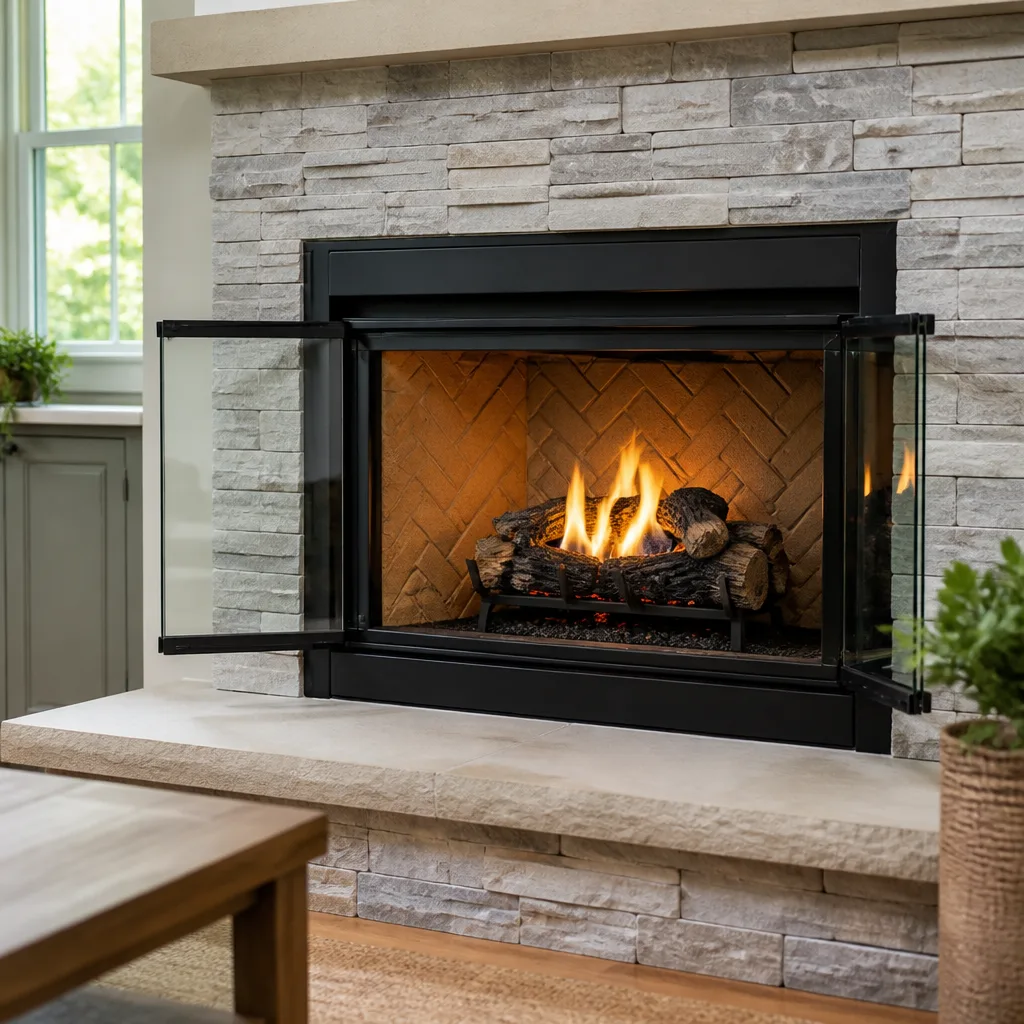 Gas fireplace service
Level 1 sweep and inspection to the NFPA 211 annual standard - flue, crown, cap, and flashing checked and photographed
Chimney sweep logs do not sweep chimneys. They loosen some creosote - which then falls where a brush and vacuum still have to collect it.
Chimney Cleaning Warning Signs: A Berkeley Homeowner’s Reference Guide
In Berkeley, we heat with fire for roughly five months a year, and most of those fires burn in chimneys that have not been inspected in years. Here’s the counterintuitive part: the most dangerous chimney problems are almost never the ones you can see from the living room. Creosote builds in the upper third of the flue. Mortar joints fail behind the brick face. Dampers rot from condensation, not flame. What you notice first is usually a smell, a stain, or a sound that seems too minor to act on. This guide names those warning signs precisely, explains what is actually happening inside the chimney, and gives you a realistic sense of how urgent each one is. We have worked on chimneys across Berkeley, from the 1920s bungalows of Northbrae to the hillside homes of the Berkeley Hills, and the patterns are consistent.
Styles & brands we work with
- Sweep & inspection
- Caps & crowns
- Flue relining
- Masonry repair
- Gas fireplace service
Quick Answer
The most common chimney warning signs in Berkeley are a wood smoke smell when the fireplace is not in use, visible staining on interior walls or exterior brick, a smoky fire that will not draw properly, and a rusted or missing chimney cap. Any one of these means the flue is not containing and venting combustion gases the way it should. The next step is a Level 1 or Level 2 chimney inspection to find the specific cause before it becomes a structural repair or a fire hazard. For a full breakdown of what to check and when, see our Chimney Sweep Maintenance Checklist for Berkeley Homeowners.
Table of Contents
- The Smoke Smell That Will Not Leave
- Smoke Backdraft and Draft Reversal
- Staining on Walls, Ceilings, and Brick
- Sounds from the Chimney: Wind, Rain, and Animals
- Efflorescence: The White Stain That Means Water Is Already Inside
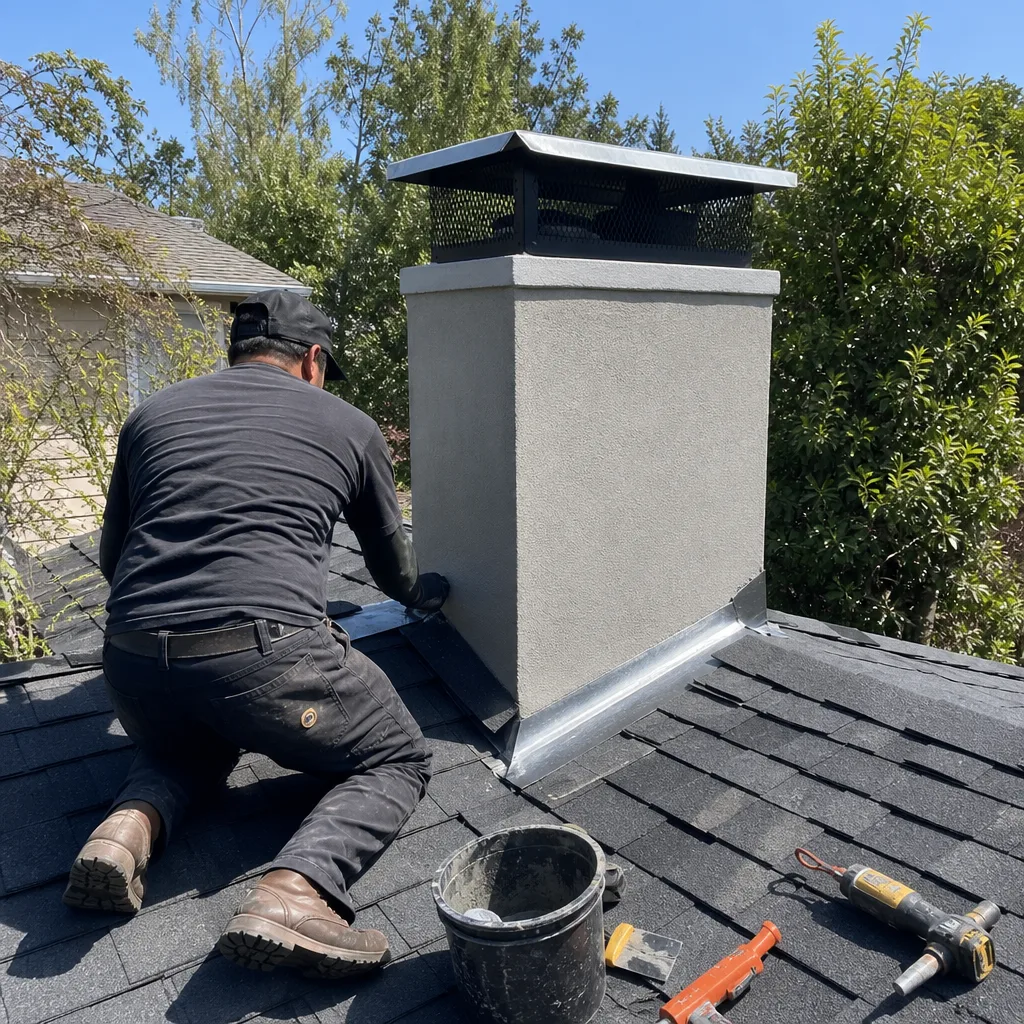
- Chimney Cap and Crown Deterioration
- Fireplace Insert and Stove Warning Signs: They Present Differently
- What Berkeley’s Older Housing Stock Adds to the Risk Profile
- Common Mistakes to Avoid
- When to Call a Professional
- Frequently Asked Questions
- The Bottom Line
The Smoke Smell That Will Not Leave
A strong wood smoke smell in the house on days you are not using the fireplace is not a draft quirk. It is evidence of a specific structural or sealing problem that gets worse every week it goes unaddressed. Smoke smell travels through the path of least resistance, and when it enters your living space, that path is telling you exactly where the chimney has failed.
What Causes a Persistent Smoke Smell in a Cold Fireplace?
- A stuck-open damper with a failed gasket. Older Berkeley fireplaces often have original cast-iron dampers. The gasket material degrades over decades, and once it fails, the damper can never fully seal. Cold air drops down the flue, picks up creosote odor, and pushes it into the room.
- Negative air pressure in the house. This is common in Berkeley homes that have been weatherized. New windows, added insulation, and a tight building envelope mean the house pulls air down the chimney to replace what the bathroom fans, range hood, and furnace exhaust are removing.
- Creosote buildup in the flue. Creosote is not just a fire hazard. It is also a smell source. When humidity rises, creosote absorbs moisture and releases a sharp, acrid odor that drifts down into the house even when the fireplace is cold.
- A missing or damaged chimney cap. Without a cap, rain enters the flue, mixes with creosote, and creates an odor that migrates through the masonry.
How Urgent Is the Smoke Smell?
Treat it as a schedule-soon issue, not an emergency, unless you also smell gas. A smoke smell alone will not start a fire. But it will not fix itself, and the underlying cause, whether a failed damper gasket or creosote accumulation, is cheaper to address now than after another season of moisture and temperature cycling. The fix often starts with a professional Chimney Sweep in Berkeley visit that includes a camera inspection of the damper area and upper flue. If the damper is the culprit, we typically look at replacement options from Copperfield or Famco, which make dampers that seal far better than the original cast-iron units from the 1940s and 50s.
Smoke Backdraft and Draft Reversal
Backdraft is different from a weak draft. A weak draft produces a lazy fire and smoke that trickles into the room. A backdraft is when the chimney actively pulls air down into the house, pushing smoke and combustion gases back through the fireplace opening. It can happen with wood fires, gas logs, and even when the fireplace is not lit.
The Mechanism of Backdraft
A chimney works because hot gases rise. When that principle is interrupted, the stack effect reverses. The most common causes in Berkeley homes are:
- A flue that is too cold. On foggy Bay Area mornings, a masonry chimney is cold and full of dense air. The warm air in the house rises to the upper floors and escapes through attic leaks, pulling cold air down the chimney. This is especially common in two-story Berkeley homes where the fireplace sits on the lower level.
- An undersized or oversized flue. Homes that were originally built for an open hearth fireplace and later converted to a wood stove or insert often have a flue that is mismatched to the appliance. The result is poor draft at best and reversal at worst.
- A competing exhaust appliance. Running a powerful range hood, a whole-house fan, or a dryer while the fireplace is lit can depressurize the room enough to reverse the chimney draft. We see this regularly in Berkeley kitchens where a 600 CFM range hood was added during a remodel.
- Blockage in the flue. A bird nest, a collapsed clay tile, or heavy creosote accumulation can reduce the flue opening enough to change the draft dynamics entirely.
A Simple Diagnostic Sequence
- Open the damper fully and shine a flashlight up the flue. You are looking for obvious obstruction or heavy black crust on the flue walls.
- Close all exterior doors and windows, then turn off all exhaust fans. Light a single sheet of newspaper and hold it near the damper opening. If the smoke goes up the flue, the draft works when the house is balanced. If it curls into the room, the house is depressurized.
- Open a window near the fireplace about one inch and repeat the test. If the draft improves, the issue is likely negative house pressure, not the chimney itself.
- If the draft does not improve with a window open, have the flue inspected with a camera. The issue is likely structural: a partial blockage, a failed flue liner, or a flue that is too large for the firebox.
Backdraft that pushes visible smoke into the room is an immediate concern. It is not something to troubleshoot over multiple weekends. Call us at (855) 382-9432. The fix may be as simple as a correctly sized chimney cap from Olympia Chimney or as involved as a liner replacement, but guessing wrong on backdraft means living with carbon monoxide in the living space, which is not a tradeoff worth making.
Staining on Walls, Ceilings, and Brick
Stains tell a story about moisture, and moisture is the primary agent of chimney decay in the Bay Area. Berkeley’s winter rains, combined with marine fog that settles over the hills, subject masonry chimneys to repeated wetting and drying cycles. Each cycle opens tiny cracks a little wider.
Where Stains Appear and What They Mean
- Brown or yellow stains on the ceiling or wall near the chimney chase. This indicates water is penetrating the chimney structure and migrating into the home’s framing. In most cases, the source is a cracked crown, a failed flashing joint where the chimney meets the roof, or porous brick that has never been sealed.
- Dark streaks on the exterior brick below the chimney cap. This is often creosote leached out by rain. It means creosote has built up to the point where it is saturating the masonry itself, which is both a fire risk and a structural concern.
- Rust-colored staining around the damper or firebox. This points to a failing damper assembly or a metal firebox that is corroding. If you have an original metal firebox in a mid-century Berkeley home, rust staining around the edges means the metal has thinned and will eventually need replacement.
- Staining on the flue tile visible from the top of the chimney. This is best seen during a rooftop inspection or with a camera. White or tan residue indicates a failed flue liner joint that is allowing moisture into the chimney system.
The Timeline of Water Damage
Water damage inside a chimney is never isolated. What starts as a stain on the living room ceiling, unnoticed for a month or two, is already working on the structural mortar joints inside the chase. By the time a Berkeley homeowner sees visible staining, the water has typically been working for six months or longer. The repair is almost always more extensive than just drying and repainting. This is why we recommend a Level 2 inspection, which includes a camera scan of the interior flue, whenever visible staining appears. A visual inspection of the firebox alone will miss most of what is actually wrong.
Sounds from the Chimney: Wind, Rain, and Animals
A chimney makes noise when something is wrong with its geometry, its cap, or its occupants. These sounds are worth taking seriously because they are often the first sign of a problem that would otherwise stay hidden until it becomes expensive.
Specific Chimney Sounds and Their Likely Causes
- A low moan or whistle when the wind blows. This is usually the chimney cap. A poorly fitted or generic cap creates turbulence at the flue opening. In Berkeley, where wind funnels through the hills from the Golden Gate, the effect is amplified. The fix is often a properly sized cap from Copperfield or Famco that breaks the wind pattern.
- The sound of rain hitting metal inside the flue. That means the cap is missing or damaged and the flue is open to the sky. A flue that takes on rain is absorbing moisture into the masonry and any creosote inside. This accelerates every other form of chimney decay.
- Scratching, fluttering, or animal sounds from inside the chimney. Berkeley’s tree canopy means raccoons, squirrels, and chimney swifts are all realistic occupants. A bird nest is a fire hazard and a draft restriction. A raccoon is a larger problem that requires exclusion and a proper cap installation to prevent return. Animal entry is almost always through a missing or degraded cap, and the permanent solution is a cap with a proper animal guard.
- A rumbling or vibrating sound when the fire is lit. This can indicate a partial blockage that is causing turbulent flow, or a creosote deposit that has narrowed the flue enough to change the acoustics. Either way, the next fire is a gamble.
Sound is an early warning system. None of these sounds is normal, and all of them point to something specific. The right response is a rooftop inspection to look at the cap, crown, and flue opening before the issue becomes visible as a stain or a smoky fire.
Efflorescence: The White Stain That Means Water Is Already Inside
Efflorescence is the white, chalky mineral deposit that appears on exterior brick and sometimes on the interior firebox walls. It is not mold and it is not surface dust. It is the visible residue of water that has entered the masonry, dissolved the natural salts in the mortar and brick, and evaporated, leaving those salts behind. By the time efflorescence is visible on the outside of a chimney, water has been moving through the masonry for months.
Why Efflorescence Is Often the First Warning Sign
Most homeowners notice efflorescence before they notice anything else. A cracked crown is hard to see from the ground. A failed flashing joint is hidden under shingles. But a white stain on the brick face is visible from the sidewalk. The mechanism is straightforward: water enters through a crack or a porous surface, moves through the brick and mortar, and carries minerals to the surface. The water leaves, the minerals stay. Each rain cycle adds another layer, and the stain grows more pronounced.
What Efflorescence Actually Signals
- The chimney crown or cap is allowing water entry, or
- The brick and mortar themselves have become porous enough to absorb significant rain, or
- A flashing joint has failed where the chimney meets the roofline.
Efflorescence on its own is not an emergency, but it is a clear signal to schedule an inspection. The underlying water intrusion, left unchecked, causes spalling, which is when the brick face pops off in layers due to freeze-thaw cycling and internal water pressure. In Berkeley, the freeze-thaw cycle is less severe than in the Midwest, but the repeated wetting and drying from fog and rain does its own kind of damage. We have replaced chimneys in the Berkeley Hills where efflorescence was ignored for years, and the internal mortar joints had turned to sand.
If you see efflorescence on an interior firebox wall, that is a different and more urgent signal. It usually means the flue liner has failed and moisture from the flue is being pushed into the chimney structure. That is a job for a camera inspection and often a liner repair or replacement, which is where a HeatShield resurfacing or a DuraFlex liner installation becomes the discussion. If the firebox itself is spalling, you likely need a full Chimney Repair in Berkeley evaluation.
Chimney Cap and Crown Deterioration
The cap and crown are the chimney’s roof. They are small components relative to the whole structure, but their failure is the starting point for most of the problems described in this guide. In Berkeley, where the roof often gets less direct sun than inland areas, deterioration can be slower but also sneakier, because the damage happens underneath moss and organic growth that hides the cracks.
What to Look For
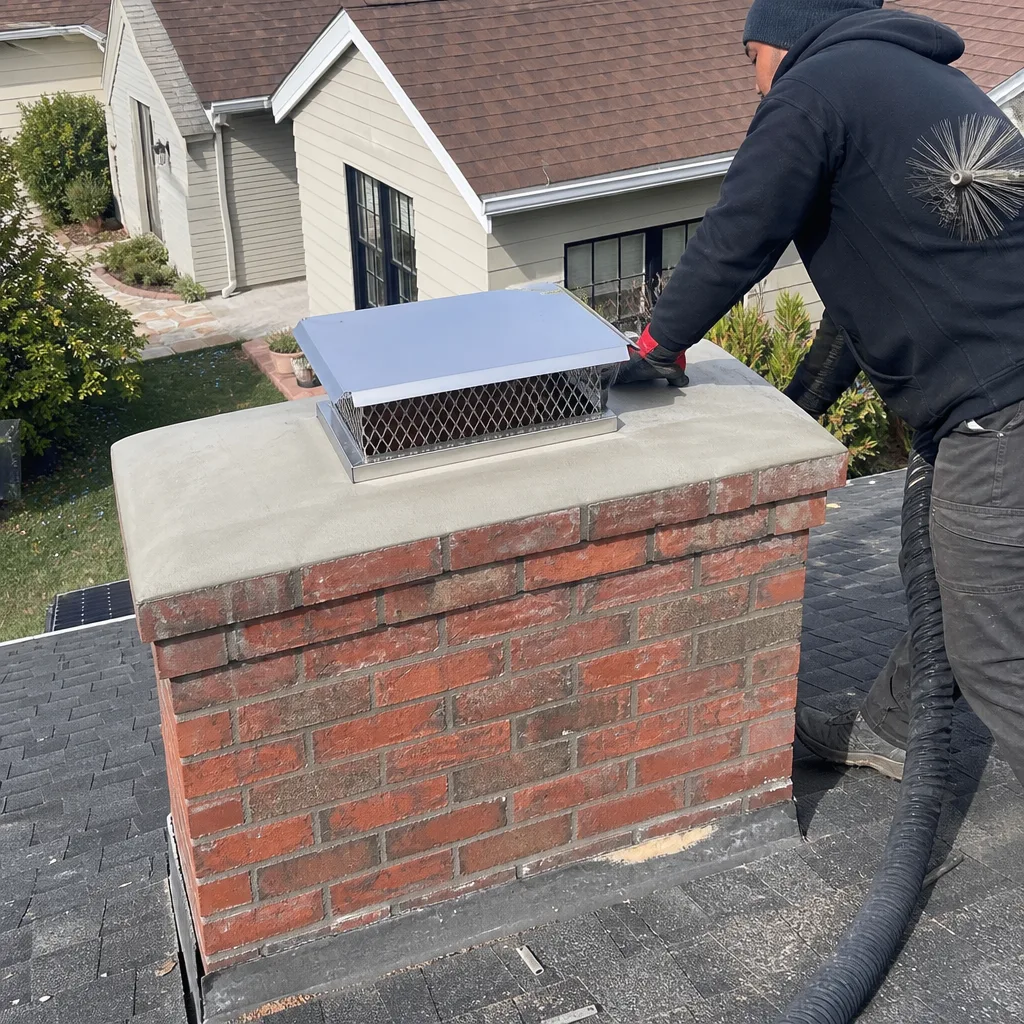
- A rusted, dented, or missing cap. A cap that has rusted through no longer keeps out rain, animals, or debris. A missing cap is an open flue. Both are straightforward to fix with a correctly sized replacement, and we typically install caps from Copperfield or Olympia Chimney, which are built for the marine air of the Bay Area.
- A cracked or crumbling crown. The crown is the concrete or mortar slab that seals the top of the chimney around the flue. Cracks in the crown let water directly into the chimney structure. Small cracks can be sealed. Large cracks or a crown that has separated from the flue may require crown replacement.
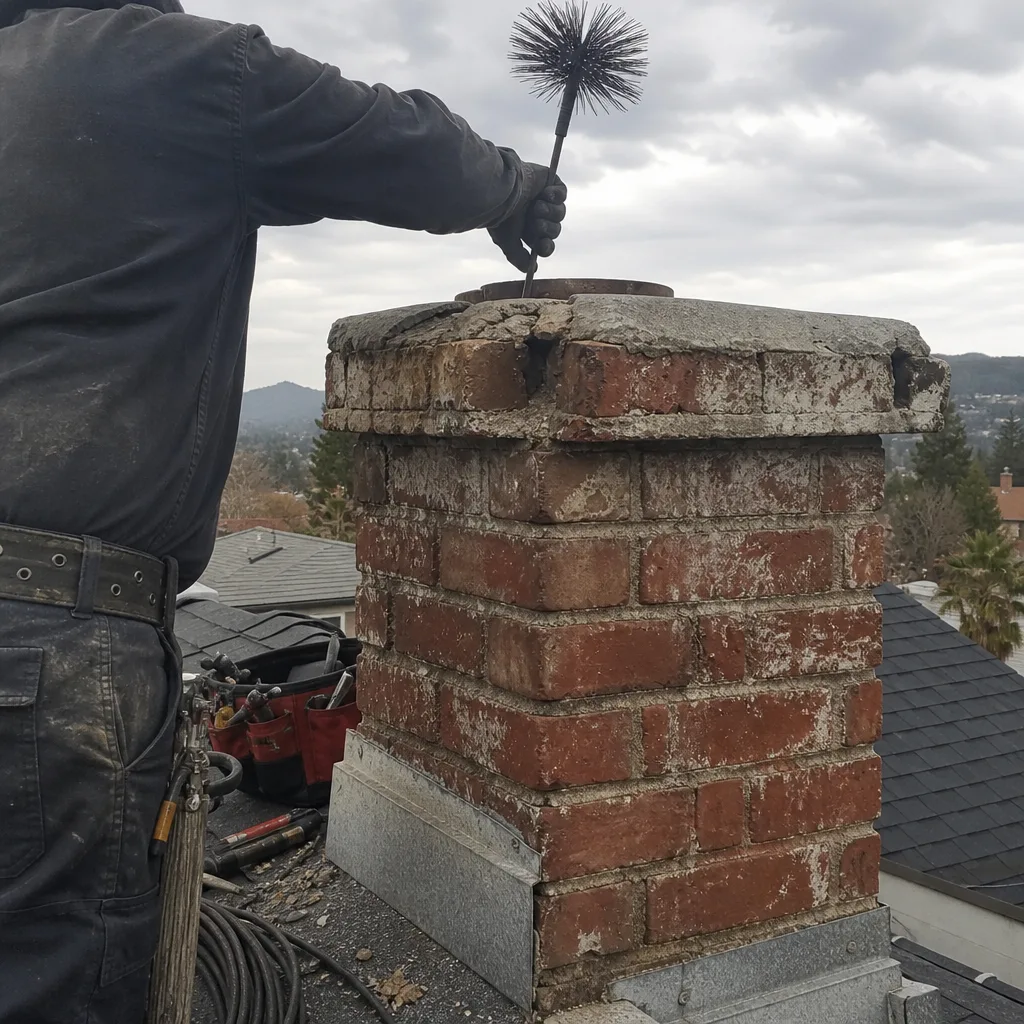
- Flaking or missing mortar joints near the top. The upper three feet of the chimney bears the brunt of weather exposure. Repointing, which is the process of removing old mortar and packing in new, is a standard repair and much cheaper than rebuilding.
The Cap and Crown Maintenance Timeline
- Inspect the cap and crown at least once a year, preferably in late summer or early fall before the rainy season starts. The Chimney Sweep Berkeley home page has details on what a standard inspection includes.
- Replace the cap if it shows any rust-through or if the mesh screen is torn. A torn screen is how birds and rodents get in, and their nests will block the flue within a season.
- Seal crown cracks as soon as they appear. A crack that is a sixteenth of an inch in September is a quarter inch by March, thanks to rain entering, expanding, and freezing on cold Berkeley hillside nights.
- Check the flashing where the chimney meets the roof. This is a roofing joint, but we look at it during every chimney inspection because a failed flashing joint sends water down the outside of the chimney and into the attic.
Cap and crown maintenance is the least glamorous and most cost-effective work in chimney care. A $300 cap replacement prevents thousands of dollars in flue damage and interior water damage.
Fireplace Insert and Stove Warning Signs: They Present Differently
Homes with a wood stove or fireplace insert present warning signs that are easy to attribute to the wrong component. The fire is contained in a metal box, so smoke in the room, a bad smell, or poor combustion often gets blamed on the stove itself when the real problem is the chimney system connected to it.
Symptom-by-Cause for Inserts and Stoves
- The fire burns but produces little heat, and the glass soots up within an hour. This is almost always a draft problem in the flue, not a problem with the stove. The stove cannot pull enough air through the combustion chamber to burn cleanly. The cause is usually an undersized flue, a partial blockage, or a flue that was never properly insulated for the stove’s requirements.
- Smoke enters the room when you open the door to add wood. This points to a flue that is not maintaining draft during operation. In sealed combustion stoves, opening the door should not release smoke if the flue is clear and the house has adequate make-up air.
- The glass stays clean, but the room smells like smoke an hour after the fire is out. This often means the chimney is leaking combustion gases into the house through a failed liner joint or a bad connection between the stove pipe and the flue. It can also mean the damper area on an insert is not sealing. The interior of the chimney needs a camera inspection to find the leak path.
- The insert works fine for a year or two, then performance degrades. This is the classic pattern of creosote buildup in a liner. It happens faster with inserts than with open fireplaces because inserts run cooler and produce more unburned particulates. The fix is a sweep, and for homes that burn several cords a year, an annual sweep is the right interval.
The Distinction That Matters
A stove or insert is an appliance. The chimney is the venting system. When a stove underperforms, the instinct is to call an appliance repair person. But in our experience, the majority of underperforming inserts in Berkeley homes trace back to the venting system, not the stove itself. The practical takeaway: if an insert or stove is misbehaving, have the chimney flue inspected first. It is a cheaper diagnostic step and resolves more than half the cases we see. If the flue is clear and properly sized, then you move to the appliance.
What Berkeley’s Older Housing Stock Adds to the Risk Profile
Berkeley’s housing stock is among the oldest in the Bay Area. A significant portion of the city’s single-family homes were built before 1950, and many in the flats and Northbrae date to the 1910s and 1920s. Those chimneys were built for open-hearth wood fires, and they have been adapting to different uses, different fuels, and different weather patterns for a century. That adaptation leaves specific warning signs that newer construction rarely produces.
Original Asbestos Rope Gaskets in Older Dampers
Many pre-1960 Berkeley fireplaces were built with a cast-iron damper that used an asbestos rope gasket as the sealing surface. Those gaskets are now decades old. They crumble, compress, and stop sealing. The homeowner notices a persistent draft in the living room, or a smoke smell, and assumes the whole chimney needs work. Often the fix is a damper replacement, which is a contained job. But knowing that the original gasket material is likely present and likely deteriorated changes how you diagnose the symptom. It is not a chimney fire. It is a seal failure in a component that was never designed to last a century.
Deteriorated Firebrick in Older Fireboxes
Original firebrick from the 1920s through the 1950s is a softer, more porous material than modern firebrick. After decades of heating cycles, the brick face begins to flake and crack. Homeowners often mistake this for normal wear and ignore it. But deteriorated firebrick exposes the mortar joints behind it to direct flame, and those joints are not fire-rated. Once the firebrick is compromised, the firebox needs repair before the next burning season. In Berkeley, where many fireplaces are used for ambiance rather than heat, this deterioration can go unnoticed for years because the fires are small and infrequent. The firebrick degrades anyway, just slower.
Unlined or Clay-Tile-Lined Flues
A chimney built before 1940 may have been constructed without a flue liner, or with clay tile liners that have since cracked. Both conditions are common in Berkeley’s oldest homes. An unlined chimney is not safe to use with a modern wood stove or insert. A cracked clay liner is a path for heat and gases to reach the surrounding masonry. The modern solution is a stainless steel liner, and for complex flue configurations, a flexible system from DuraFlex is what we typically install. The point for the homeowner is that age matters. A chimney that has been “working fine for years” may be working fine only because no one has looked inside it with a camera.
If you own an older home in Berkeley and you have never had a Level 2 inspection, which includes the camera work, you are making decisions without the basic data. The Chimney Sweep in Berkeley service includes that camera inspection as standard, because for older homes it is the only way to know what the flue actually looks like.
Common Mistakes to Avoid
- Ignoring a smoke smell because it only happens “sometimes.” Intermittent symptoms still indicate a real problem. A smoke smell that appears only on windy days or only after rain is still evidence of a failed seal or water intrusion. It will be more expensive to fix in two years.
- Burning a “cleaning log” instead of having the chimney swept. Creosote cleaning logs can loosen light soot, but they do not remove the dense, tar-like creosote that causes chimney fires. They also cannot inspect the flue for cracks, blockages, or animal nests.
- Assuming a house inspection covers the chimney. A standard home inspection in Berkeley includes a visual check of the fireplace from inside the house. It does not include a camera scan of the flue or a rooftop inspection of the crown and cap. A chimney can pass a home inspection and still be unsafe to use.
- Repairing the visible stain without finding the water source. Repainting a ceiling stain without fixing the chimney leak means the water keeps coming in and the repair repeats itself. The sequence is: find the leak, fix the leak, then repair the cosmetic damage.
- Using the fireplace during a red flag day or when wind is high. Berkeley sits in a wildland-urban interface zone in the hills. Embers from a chimney fire can travel. If the draft is compromised, the fire risk is higher, not lower. The time to discover a chimney problem is not on a high-wind day in October.
- Calling a generalist handyman for a chimney problem. Chimney work involves fire codes, clearance requirements, and specific materials that a generalist rarely stocks. The flue is the one part of the house where a bad repair can burn the house down. Work with a specialist who can show you the inside of the flue on camera and explain what the video means.
When to Call a Professional
Any of the following conditions warrants a call: a smoke smell that persists when the fireplace is cold, smoke entering the room during a fire, visible staining on walls or ceilings near the chimney, efflorescence on the brick, or an animal in the flue. If you have not had the chimney inspected in more than two years and you burn fires regularly, that alone is reason enough. If you have an older Berkeley home with the original damper and firebrick, schedule a Level 2 inspection before the next burning season. The specific issue is rarely guessable from the symptom alone; a camera scan is what turns a warning sign into a diagnosis. Chimney Sweep Berkeley offers free estimates in Berkeley for chimney sweeping, dryer vent cleaning, and chimney repair. Call (855) 382-9432 to schedule.
Frequently Asked Questions
A chimney should be swept at least once per year if you burn fires regularly, which for most Berkeley homeowners means 20 or more fires per season. If you burn only occasionally, once every two years may be adequate, but you still need an annual visual inspection to check the cap, crown, and flashing. Homes with wood stoves or inserts typically need annual sweeping because those appliances produce more creosote per fire than open hearths.
A chimney fire often sounds like a loud roaring or rumbling from inside the chimney, sometimes compared to a freight train. It can also sound like a sharp cracking or popping as creosote ignites and expands. If you hear anything like this, close the damper if you can do so safely, evacuate the house, and call 911. After a chimney fire, the flue must be inspected with a camera before the fireplace is used again, because chimney fires crack flue liners and can damage the chimney structure even after the fire is out.
You can sweep a chimney yourself with the right brushes and a lot of patience, but you cannot inspect it properly without a camera and rooftop access. The sweep removes creosote; the inspection finds the cracked liner, the failed damper gasket, the animal nest, and the crown damage. Most homeowners are capable of the sweeping but not the diagnosis. If you insist on DIY sweeping, pair it with a professional Level 2 inspection at least once every two years. Also know that chimney work on a roof in Berkeley, especially on a hillside home with a steep pitch, carries real fall risk. This is one of the jobs where a professional with the right equipment and insurance is the sane choice.
It depends on the type of liner and the extent of the damage. Clay tile liners can sometimes be repaired with a HeatShield resurfacing, which restores the interior surface without a full tear-out. If the liner is too far gone, a stainless steel liner is the standard replacement, and for complex flue shapes a flexible DuraFlex liner is what we typically install. No one should tell you that you need a new liner without showing you the camera footage that proves it. We tell you what we found, not what sells the biggest job.
A musty smell after rain usually means water is entering the chimney and mixing with creosote, soot, and organic debris inside the flue. The source is typically a failed cap, a cracked crown, or a flashing leak at the roofline. The smell is a sign that moisture is present where it should not be, and the fix starts with finding and sealing the water entry point. After that, a sweep removes the saturated creosote and eliminates the odor.
Occasionally, but less often than people think. A taller chimney can improve draft, but the more common causes of a smoky fireplace in Berkeley are a flue that is too large for the firebox, a cold flue on a foggy day, a partial blockage, or negative house pressure from exhaust appliances. Before adding height, which is expensive, a camera inspection should rule out the simpler causes. If the flue is clear, correctly sized, and the house pressure is balanced, then height becomes the relevant variable.
The Bottom Line
Chimney warning signs are specific. A smell, a stain, a sound, or a change in draft behavior is not random, and it is not normal. Each symptom has a cause, and that cause has a repair. The mistake Berkeley homeowners make most often is rationalizing the symptom: it is an old house, it has always been drafty, the stain appeared last year and did not get worse. But none of these problems improve with time. They all get more expensive. The information in this guide tells you what to look for and how urgently to act. For more guides & resources on chimney care in the Bay Area, visit our blog. The next step is a camera inspection that shows you the inside of the flue and turns the warning sign into a plan. Call (855) 382-9432 for a free estimate. We serve the entire Berkeley area, from the flats to the hills, and we will always show you what we found on camera before we recommend any work.
Written by the team at Chimney Sweep Berkeley, serving Berkeley since 2015.
See the difference
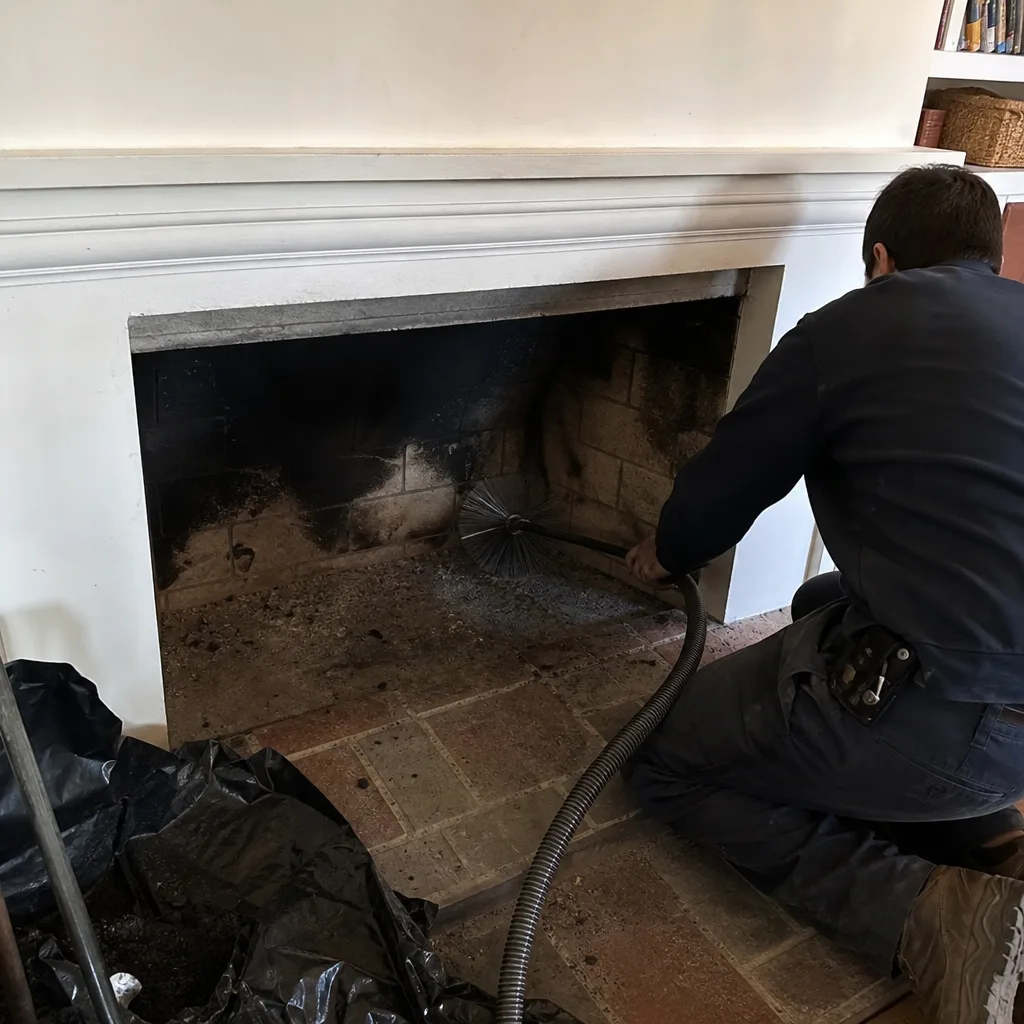 Before
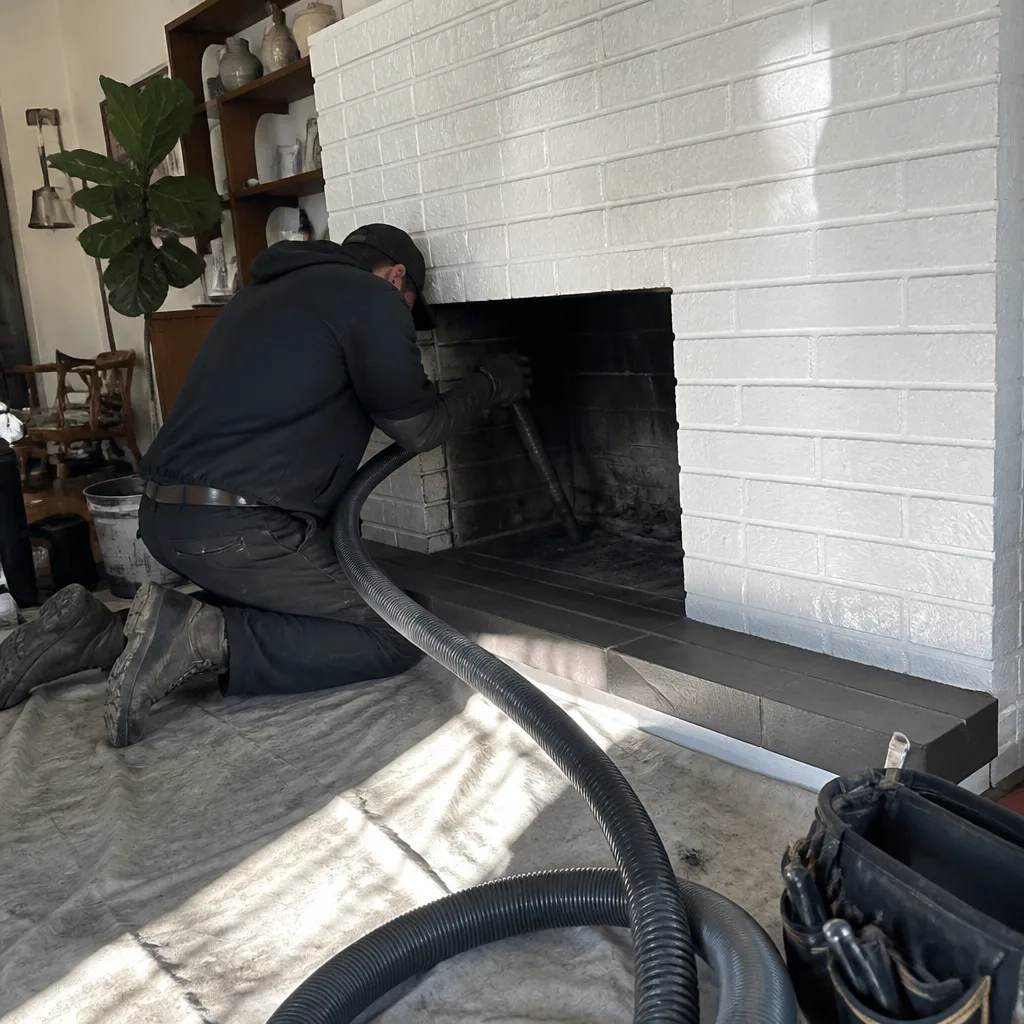 After
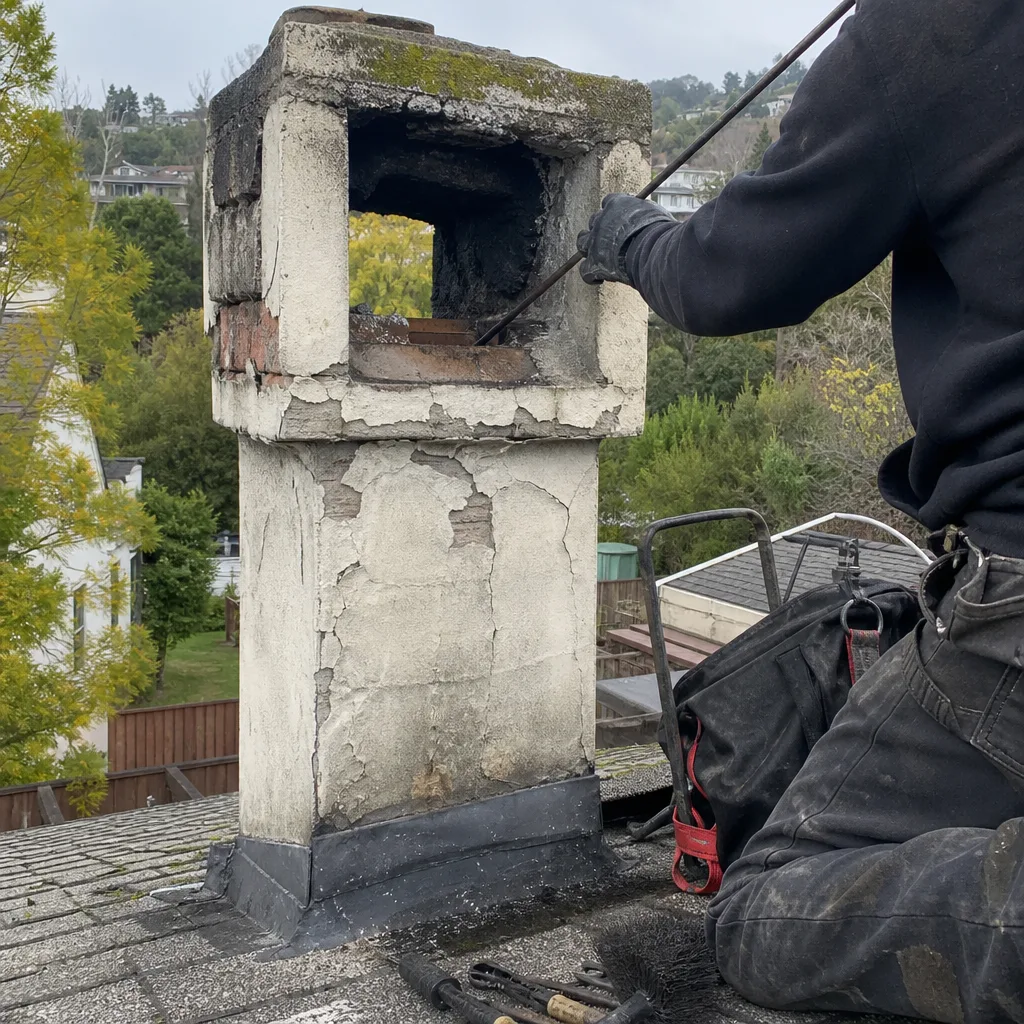 Before
 After
 Before
 After