
Last updated November 2, 2026
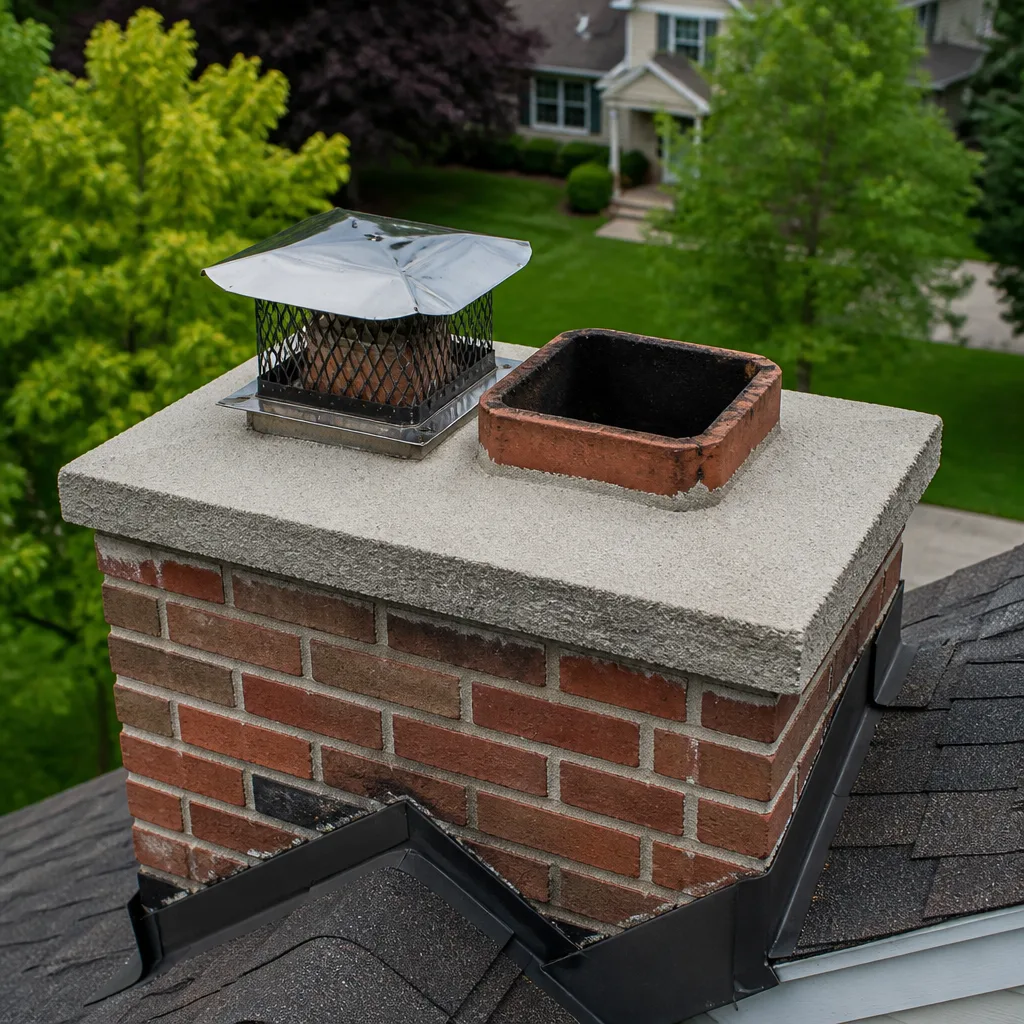 Sweep & inspection
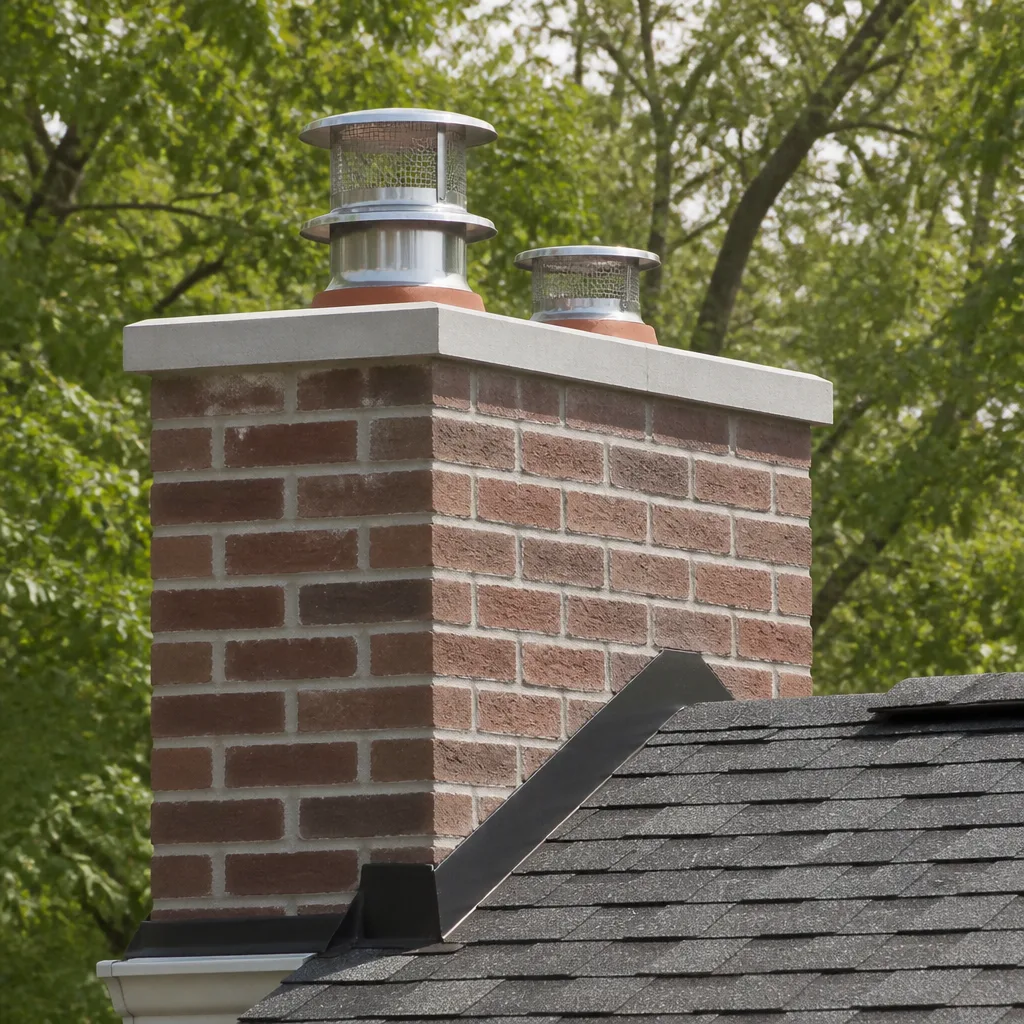 Caps & crowns
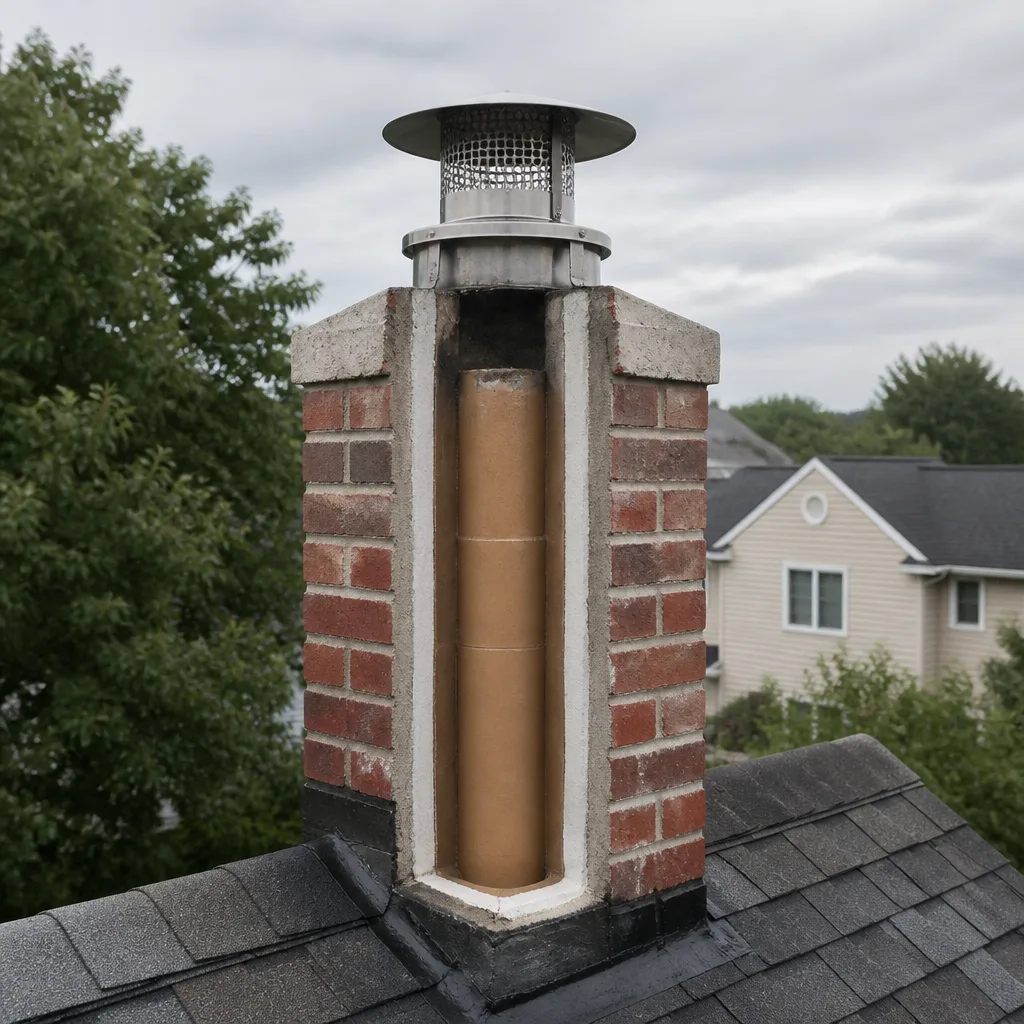 Flue relining
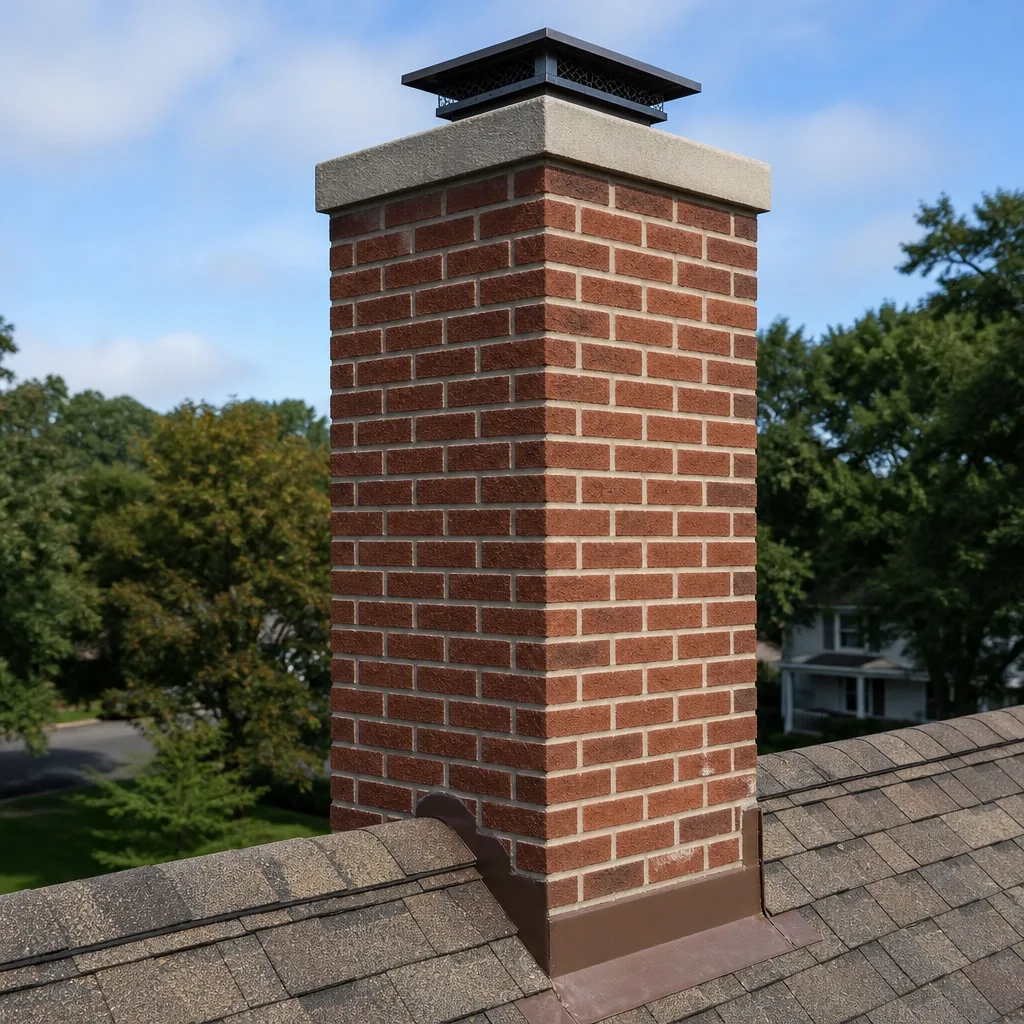 Masonry repair
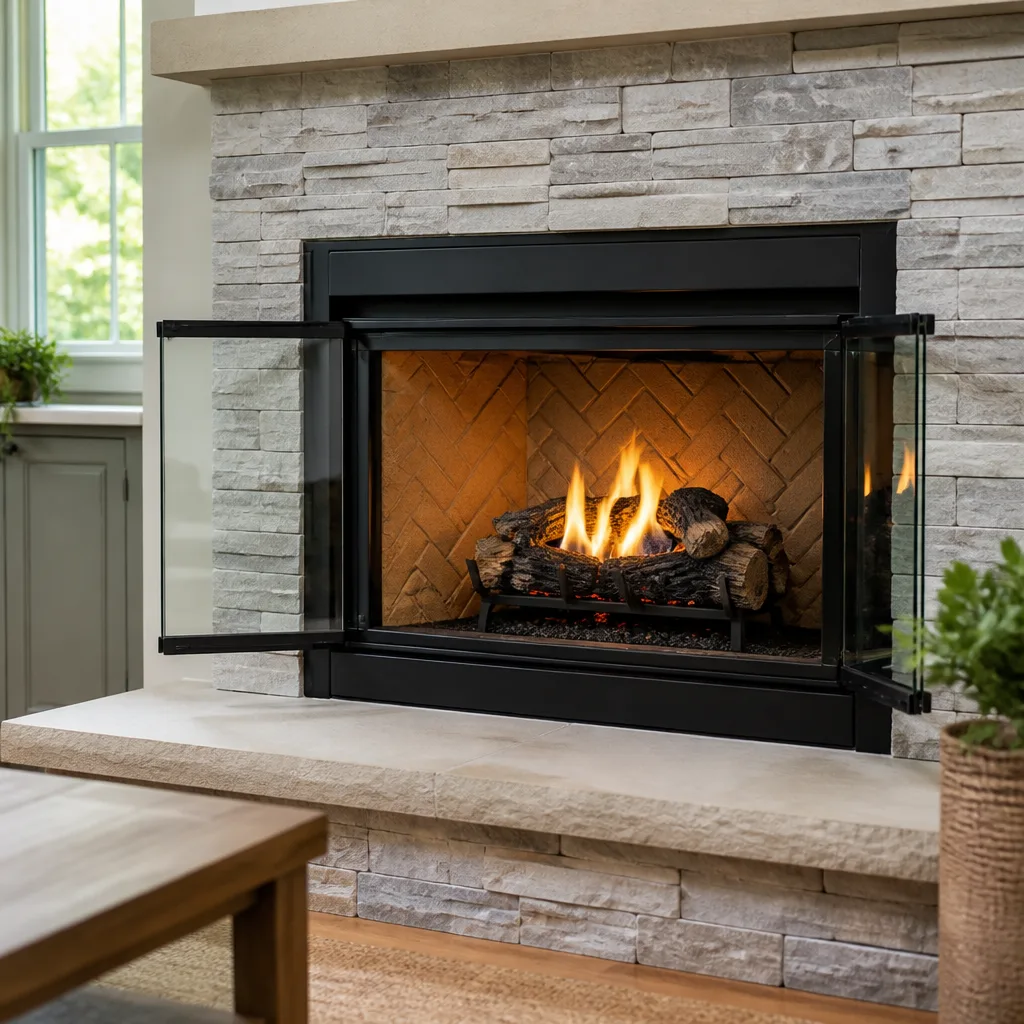 Gas fireplace service
Level 1 sweep and inspection to the NFPA 211 annual standard - flue, crown, cap, and flashing checked and photographed
Chimney sweep logs do not sweep chimneys. They loosen some creosote - which then falls where a brush and vacuum still have to collect it.
Chimney Cleaning Emergency Preparedness Guide for Berkeley Homes
A chimney fire sounds like a freight train barreling through your living room. Most Berkeley homeowners who’ve experienced one describe it as something they’d never mistake for anything else. But here’s what catches people off guard: a slow-burn chimney fire produces no dramatic sound at all. No roar, no rumble, no warning. It smolders quietly inside the flue at temperatures exceeding 1,000°F, quietly compromising the structure while you watch television in the next room. This guide covers how to identify both types, what to do in the first thirty minutes, how earthquake damage changes the equation for Berkeley homes, and the documentation you’ll need for insurance claims. For Chimney Cleaning Warning Signs: A Berkeley Homeowner’s Reference Guide, see our companion post. If you own a fireplace or wood stove in Berkeley, this is the preparedness knowledge that most homeowners only acquire after something goes wrong.
Quick Answer
A chimney fire emergency in Berkeley requires three immediate actions: evacuate everyone from the house, call 911, and do not attempt to use the fireplace again until a certified chimney professional completes a Level 2 inspection. For slow-burn fires that go undetected, the first sign is often cracking in the flue liner or mortar that shows up during a routine Chimney Sweep in Berkeley visit. Post-earthquake, Berkeley homes built before 1990 are particularly vulnerable to hidden flue damage that requires camera inspection to detect.
Styles & brands we work with
- Sweep & inspection
- Caps & crowns
- Flue relining
- Masonry repair
- Gas fireplace service
Table of Contents
- Fast-Burn vs. Slow-Burn Chimney Fires: What Each Looks Like
- The First Thirty Minutes: A Step-by-Step Emergency Response
- The Hour After: Why a Level 2 Inspection Is Non-Negotiable
- Earthquake Damage and Chimney Integrity in Berkeley
- Insurance Documentation: What Berkeley Homeowners Need After Fire or Seismic Damage
- Berkeley-Specific Resources: Who to Call and What They’ll Assess
- Prevention: What Professional-Grade Materials Actually Do
Fast-Burn vs. Slow-Burn Chimney Fires: What Each Looks Like
Chimney fires fall into two distinct categories, and understanding the difference can mean the difference between a straightforward repair and a complete rebuild. The fast-burn variety is what most people picture when they hear “chimney fire.” It’s loud, dramatic, and impossible to ignore. The slow-burn variety is quieter, more destructive in some ways, and far more common than most Berkeley homeowners realize.
Fast-Burn Chimney Fires
A fast-burn chimney fire occurs when creosote deposits ignite and burn rapidly with abundant oxygen. The signs are unmistakable. You’ll hear a low rumbling that builds into something resembling a freight train or a jet engine. Flames or dense smoke may shoot from the chimney top. The exterior chimney surface can become hot enough to scorch nearby framing. Inside the flue, temperatures can exceed 2,000°F. These fires are dangerous, but they’re also loud enough that homeowners typically catch them in progress and call the fire department.
Slow-Burn Chimney Fires
A slow-burn chimney fire is different. It happens when creosote smolders without the dramatic airflow that creates the classic roar. There’s no freight train sound. There may be no visible flame at all. What’s happening is still serious: temperatures reach 1,000°F or more, enough to crack clay flue tiles and warp metal liners. The evidence shows up later as thin cracks in the flue, honeycomb-textured creosote deposits, or discolored metal components. In our experience, many Berkeley homeowners only learn they’ve had a slow-burn fire when a camera inspection reveals the damage during a routine cleaning.
The takeaway: any time a chimney fire is suspected, even if it seemed minor or self-extinguishing, the flue has been compromised until proven otherwise. A visual check from the ground tells you nothing about what happened inside.
The First Thirty Minutes: A Step-by-Step Emergency Response
When chimney fire is suspected, the sequence of actions matters. Here’s what to do in order.
- Evacuate everyone from the house immediately. Do not stop to gather belongings. Chimney fires can spread to the attic or roof structure faster than most people expect, especially in older Berkeley homes with wood framing close to the flue.
- Call 911 from outside or from a safe neighbor’s house. Tell the dispatcher you have a suspected chimney fire. Do not say “I think there’s smoke” or downplay what’s happening. The Berkeley Fire Department responds differently to chimney fire calls than to general smoke investigations.
- Close the fireplace damper if you can do so without risk. This starves the fire of oxygen. Do not do this if the fire is already venting flames into the room or if closing it requires reaching near intense heat.
- Do not put water in the fireplace. The rapid cooling can crack the firebox, and steam can carry burning embers into the room. This is the most common mistake well-meaning homeowners make.
- If you have a chimney fire extinguisher stick (like Chimfex), use it according to the label. These are designed to consume oxygen quickly inside the flue. Note: not all Berkeley homes have these, and that’s fine – the fire department carries their own.
- Keep everyone outside until the fire department confirms the fire is fully extinguished. Slow smoldering in the flue can reignite after an apparent knockdown.
Once the immediate emergency has passed, resist the urge to test the fireplace with a small fire “just to see.” A compromised flue can allow combustion gases, including carbon monoxide, into living spaces. The next step is a documented inspection.
The Hour After: Why a Level 2 Inspection Is Non-Negotiable
After any suspected chimney fire, the National Fire Protection Association (NFPA 211) standard requires a Level 2 inspection before the chimney can be used again. This is not a recommendation. It’s a code-recognized safety protocol, and skipping it leaves Berkeley homeowners exposed on multiple fronts.
A Level 2 inspection includes everything in a Level 1 (the standard visual check performed during routine sweeps), plus camera scoping of the entire flue interior. The camera sees what the naked eye cannot: hairline cracks in clay flue tiles, separated mortar joints, warped or perforated metal liners, and creosote that has burned into a brittle, glazed state called Stage 3. Any of these findings means the chimney cannot safely contain combustion gases.
What a Level 2 inspection does not automatically mean is a full liner replacement. Here’s where materials matter. In many cases, a HeatShield resurfacing can restore a damaged flue by applying a ceramic coating that seals cracks and rebuilds deteriorated sections, all without tearing out the original liner. In our Chimney Repair in Berkeley work, we’ve seen flues that looked ruined on camera return to service with HeatShield treatment rather than a multi-thousand-dollar rebuild. The key is having a technician who knows when resurfacing is structurally appropriate and when it’s not.
For Berkeley homeowners in older housing stock, the Level 2 inspection after a suspected fire is also the moment to check what kind of liner you have in the first place. Many pre-1970 chimneys in the Berkeley Hills and Elmwood were built with unlined masonry, which is now considered inadequate for wood-burning appliances. A camera inspection will document exactly what’s there.
Earthquake Damage and Chimney Integrity in Berkeley
Berkeley sits on the Hayward Fault, and earthquake damage to chimneys is a real, recurring problem that differs from fire damage in important ways. The most dangerous earthquake damage is often invisible from the exterior.
When a chimney shakes, the masonry can shift at the roofline, cracking the flue inside the chase without leaving obvious exterior damage. You might see hairline cracks in the stucco or brick, or you might see nothing at all. Inside, however, clay flue tiles can crack or separate at the joints, creating gaps through which combustion gases escape into wall cavities. This is a carbon monoxide risk that has nothing to do with how careful you are about fires.
Post-seismic inspection is distinct from a standard sweep. A routine chimney cleaning removes creosote and checks for basic obstructions. A post-earthquake inspection requires camera scoping of the flue, checking the crown for movement, verifying that the chimney cap is still seated correctly, and confirming that the mortar at the roofline hasn’t separated from the flashing. These are different procedures with different findings.
Berkeley’s building code requires a building permit for substantial chimney repair, and a post-earthquake chimney inspection report from a qualified chimney professional is the starting point for any permit application. We work with the brands that Berkeley inspectors recognize, including Copperfield caps and dampers and DuraFlex liner systems, because the documentation trail matters when you’re submitting repair work for approval.
Insurance Documentation: What Berkeley Homeowners Need After Fire or Seismic Damage
Insurance claims involving chimney damage require specific documentation, and the quality of that documentation often determines whether a claim is approved quickly or dragged through months of back-and-forth. Here’s what to gather, in order.
- Photographs before anything is cleaned or repaired. Take wide shots showing the fireplace, the chimney exterior, and the surrounding room. Then take close shots of any visible damage: cracked masonry, discolored mortar, warped metal. Do not have the chimney swept before taking these photos. Creosote residue and burn evidence are part of the claim record.
- The Level 2 inspection report. This report should include camera images from inside the flue, a written assessment of the damage, and a specific recommendation for repair. Insurers in Alameda County generally accept reports from certified chimney professionals. A vague report gets a vague response.
- A contractor scope letter. This is a written document describing exactly what repair is needed, what materials will be used, and what the work will cost. For claims involving liner damage, the scope letter should specify the liner system, whether that’s HeatShield resurfacing or a DuraFlex flexible liner installation.
- Fire department incident report. If the Berkeley Fire Department responded, request a copy of the incident report. It’s public record and your insurer will want it.
- For earthquake claims: seismic inspection documentation. Note that earthquake damage is typically covered under a separate policy from standard homeowners insurance. Berkeley homeowners should check whether their earthquake coverage includes chimney repair before assuming it does.
One thing we’ve learned from working with Berkeley homeowners through this process: the claim moves faster when the inspection report and scope letter come from a chimney specialist who documents findings with camera evidence. Insurers respond to specifics, not generalities.
Berkeley-Specific Resources: Who to Call and What They’ll Assess
Berkeley has specific resources for chimney emergencies, and knowing what each one will and won’t do saves time when time matters.
The Berkeley Fire Department responds to active chimney fires and will knock down the immediate danger. They will not assess the structural integrity of your flue afterward. Their job is to stop the fire; determining whether the chimney is safe to use again falls to a chimney professional.
Alameda County permits are handled through the county building department. Substantial chimney repair, including liner replacement, generally requires a permit and inspection. Your chimney contractor should be familiar with the process and able to prepare the documentation.
Certified chimney sweeps in Berkeley provide the Level 2 inspections that insurance companies and code enforcement require. When you call, ask specifically about camera inspection capability. A sweep who arrives with only brushes and a flashlight cannot perform a Level 2 inspection, and after a suspected fire or earthquake, that’s the minimum standard.
For Chimney Sweep Berkeley homeowners, the preparation sequence is: one phone call to book the inspection, a written report with camera images, and a scope letter you can forward to your insurer. That’s the documentation chain that gets claims and permits moving.
Prevention: What Professional-Grade Materials Actually Do
Emergency preparedness starts long before an emergency happens. The best emergency is the one that never occurs, and for Berkeley fireplaces, that comes down to two things: regular maintenance and the right materials.
Creosote buildup is the primary fuel for chimney fires. It forms when wood smoke condenses on flue walls, and it accumulates fastest in chimneys that run cool, which describes most Berkeley chimneys during our mild winters. An annual sweep removes creosote before it reaches a thickness that can sustain a fire. This is the single most effective preventive step, which is why a Chimney Sweep in Berkeley visit should be on the fall calendar.
Beyond cleaning, what sits on top of your chimney matters. A properly fitted chimney cap prevents rain, animals, and debris from entering the flue. Famco and Copperfield both manufacture caps that seal correctly on Berkeley’s mix of chimney styles, from the towering brick flues in North Berkeley to the squat metal terminations on mid-century homes in the flats. A damaged or missing cap lets water in, and water plus creosote accelerates deterioration faster than either alone.
For homes with older or compromised flues, a DuraFlex flexible liner solves a problem that a sweep cannot. Liners contain combustion gases, survive high temperatures, and conform to flues that are not perfectly straight. Berkeley’s older homes frequently have flues with slight offsets or irregularities that make rigid liners impractical. A flexible liner installed properly is a long-term preventive measure, not a recurring repair.
And here’s a preventive step most homeowners miss: dryer vents. The Dryer Vent Cleaning in Berkeley service addresses a fire risk that has nothing to do with fireplaces but accounts for thousands of house fires annually. Lint is combustible, and a clogged dryer vent operates under the same principle as a clogged chimney flue: restricted airflow, elevated temperatures, and eventually, ignition. Having both the chimney and the dryer vent cleaned in a single visit closes both the fireplace risk and the laundry room risk.
Common Mistakes to Avoid
- Using the fireplace after a suspected minor chimney fire without an inspection. Even a “small” chimney fire generates enough heat to crack flue tiles. The next fire you light can vent into the wall cavity. Never assume the danger passed because the flames did.
- Trying to extinguish a chimney fire with water. Water flashes to steam inside a hot flue, which can crack masonry and scatter burning embers. The correct tools are oxygen starvation and professional response.
- Skipping a post-earthquake inspection. Berkeley’s seismic activity is constant. A chimney that survived the last quake may have hairline damage that worsens with the next one. Camera inspection reveals what the naked eye can’t.
- Assuming your insurance covers chimney repair automatically. Standard homeowners policies cover fire damage but may exclude or limit earthquake-related chimney repair. Know your policy before you need it.
- Accepting a repair quote without knowing the brand of materials. A liner is not just a liner. DuraFlex, HeatShield, and Copperfield products have documented performance standards. Generic materials installed by a generalist often fail inspection.
- Delaying a sweep because the fireplace “wasn’t used much.” Creosote accumulates even with light use, and it thickens during the damp Berkeley winter when fires burn cooler. Once a year, regardless of usage volume.
- Checking chimney condition from the ground with binoculars. This tells you about exterior brick condition and nothing about flue integrity, liner condition, or mortar joint separation inside the chase. Camera inspection is the standard.
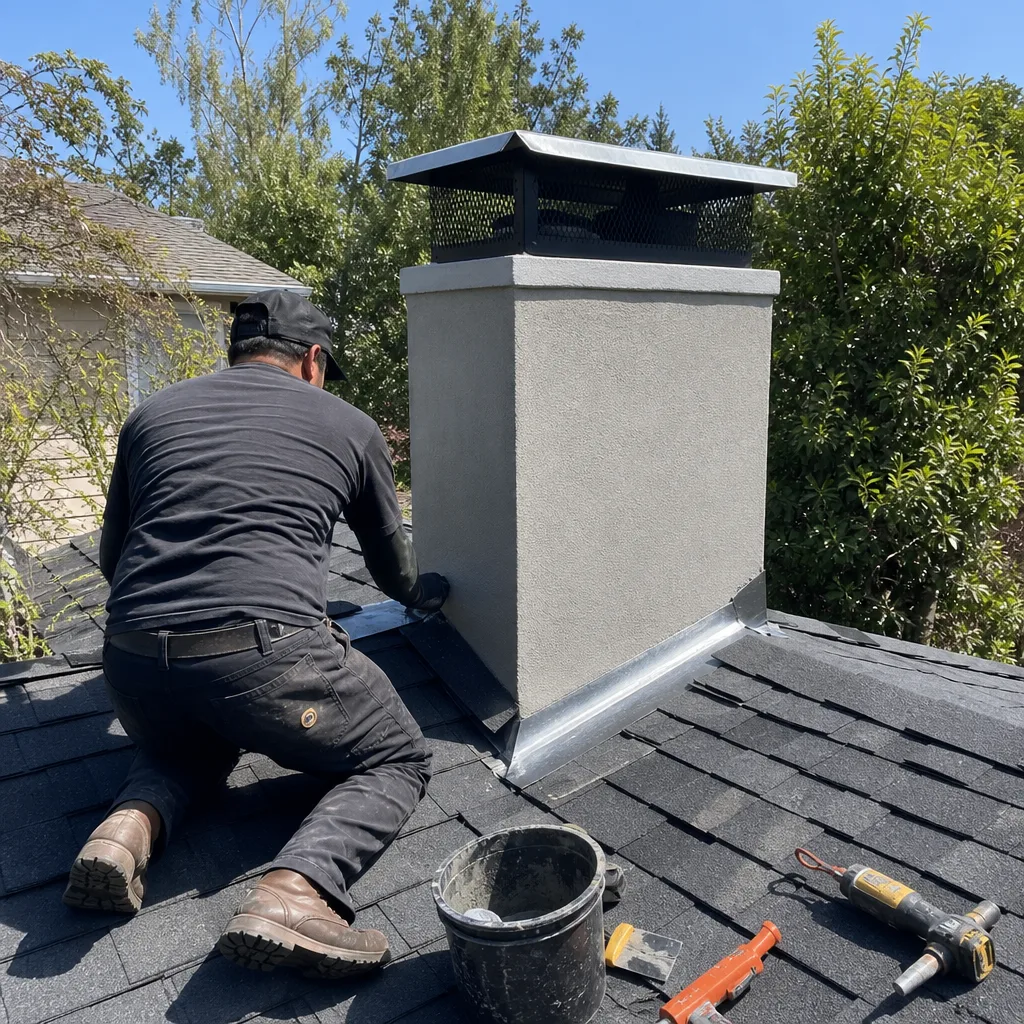
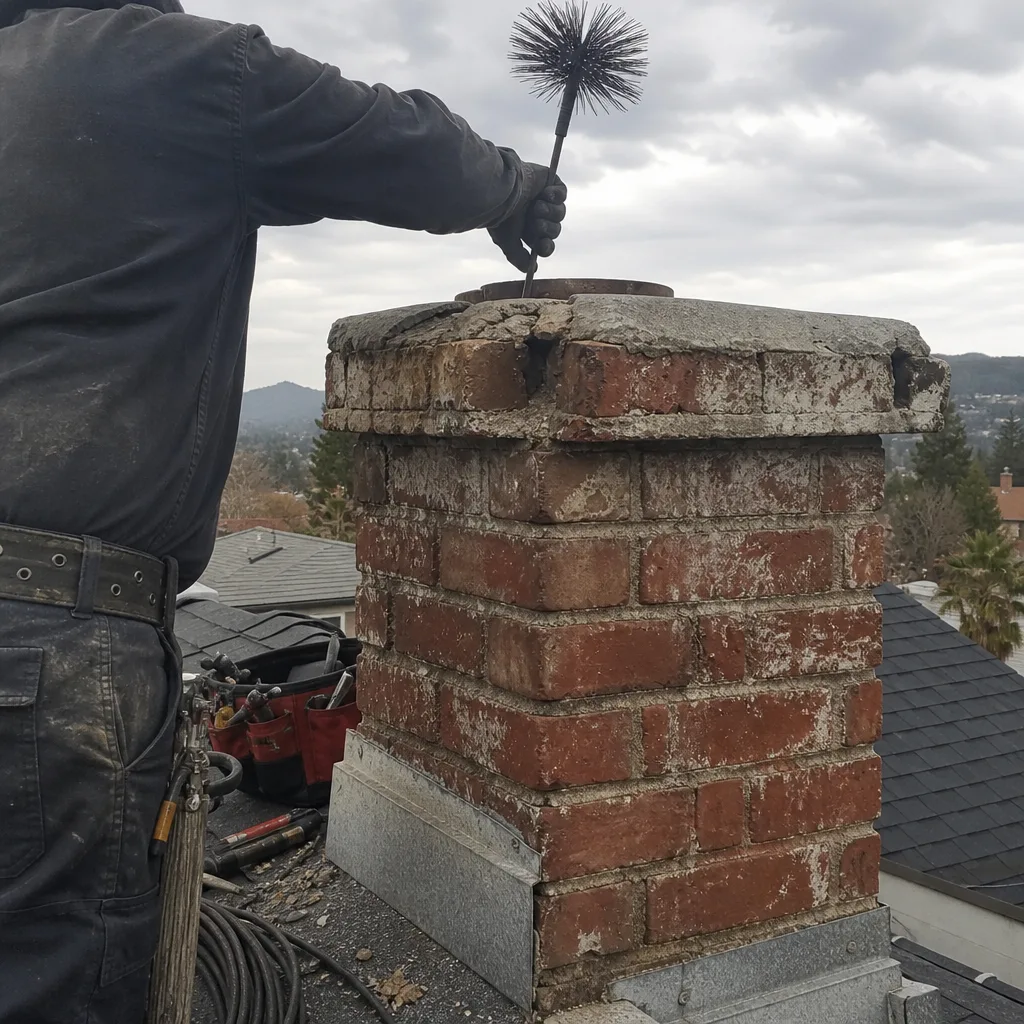
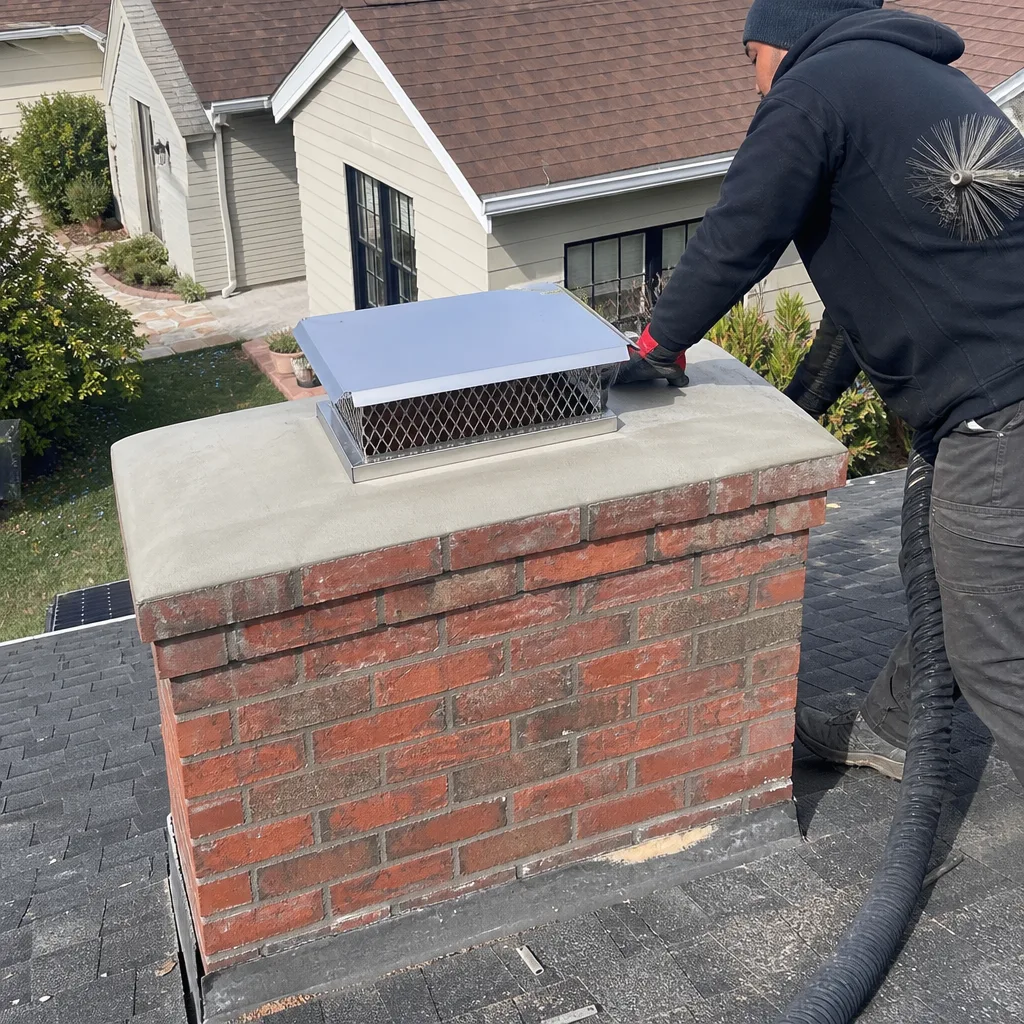
See the difference
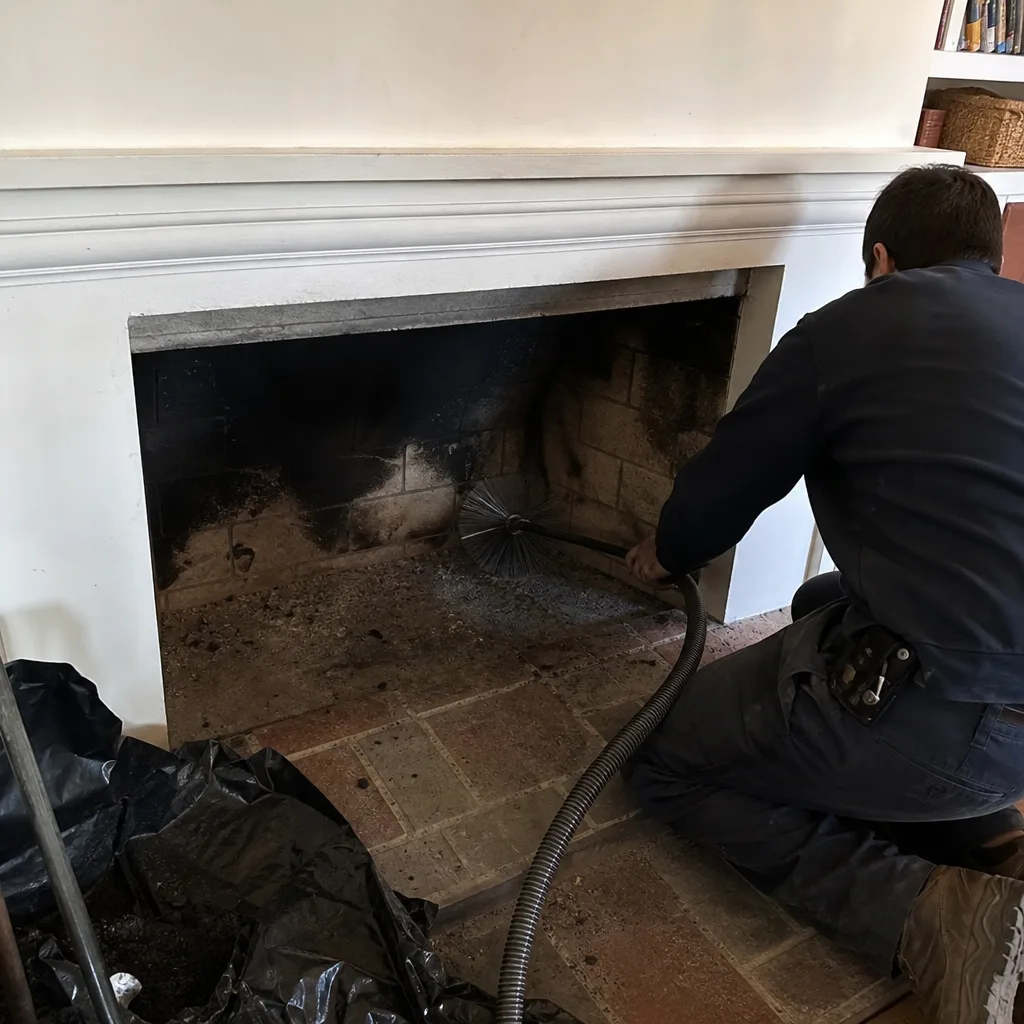 Before
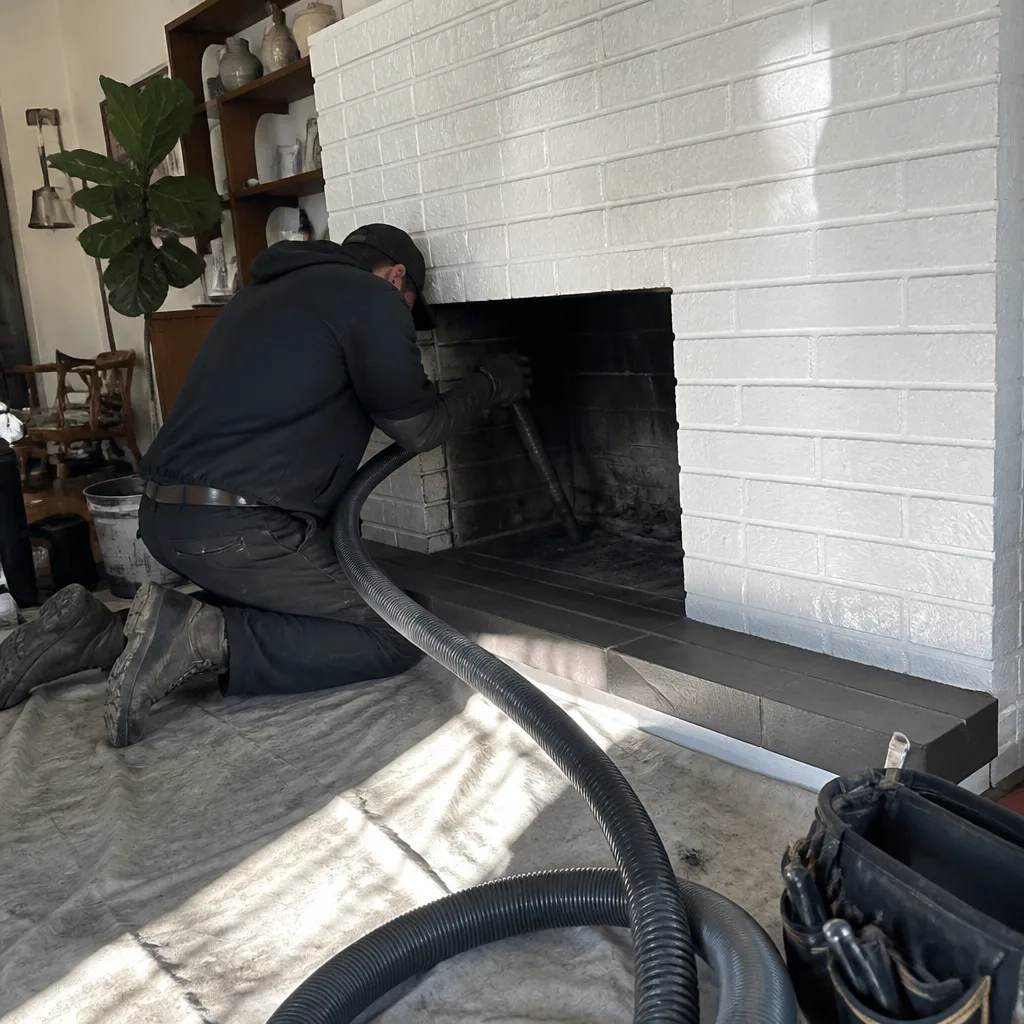 After
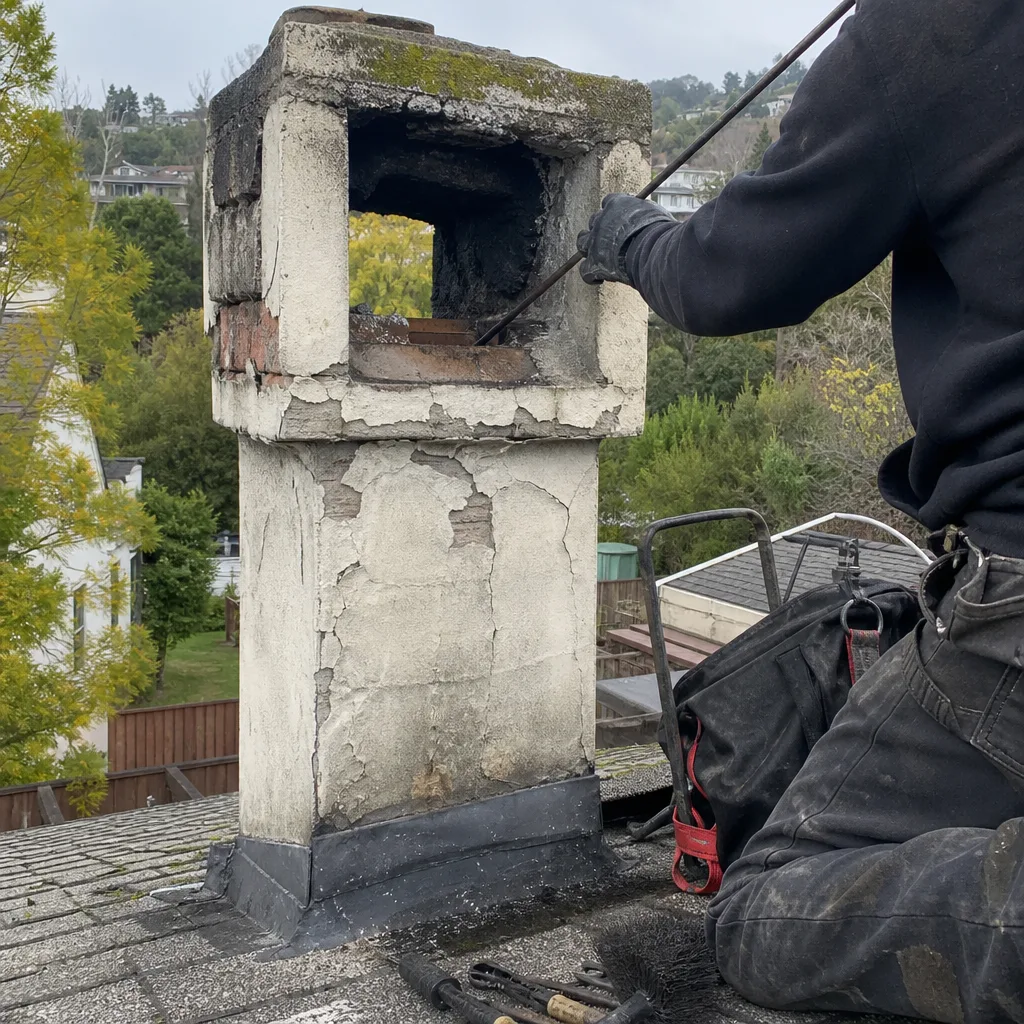 Before
 After
 Before
 After
When to Call a Professional
Call a chimney professional after any suspected chimney fire, after any earthquake strong enough to rattle dishes, and before lighting the first fire of the season if the chimney hasn’t been inspected in over a year. Call if you notice white staining on the exterior brick, which indicates moisture penetration. Call if you smell smoke in the house when the fireplace is not in use, which can indicate backdrafting. Call if your carbon monoxide detector activates near the fireplace. Chimney Sweep Berkeley offers free estimates in Berkeley – call (855) 382-9432 to schedule an inspection, a sweep, or a camera assessment. We tell you what we found, not what sells the biggest job.
Frequently Asked Questions
A slow-burn chimney fire produces no visible flame and no dramatic sound. The evidence shows up later as cracked flue tiles, discolored or warped metal components, and creosote that has burned to a brittle, honeycomb texture. Camera inspection reveals the damage.
A Level 2 inspection in Berkeley typically runs between $200 and $450, depending on chimney height and access. This includes camera scoping of the flue interior and a written report. Call (855) 382-9432 for a specific quote – estimates are free.
Not always. Some flues can be restored with HeatShield resurfacing, which seals cracks and rebuilds deteriorated sections without full liner replacement. The decision depends on the extent of damage visible on the camera inspection, and a reputable chimney professional will show you the images before recommending any approach.
Once per year, regardless of how much you use the fireplace. Berkeley’s damp winter climate means fires burn cooler and produce more creosote, and creosote is the fuel for both fast-burn and slow-burn chimney fires.
Schedule a post-seismic camera inspection. The damage most likely to compromise a Berkeley chimney after an earthquake is inside the flue, where clay tiles can crack or separate without any exterior sign. The exterior bricks can look perfect while the inside is hazardous.
No. The fire department extinguishes the fire and ensures the structure is safe from active danger. They do not assess flue integrity or certify that a chimney is safe to use again. That certification comes from a Level 2 inspection performed by a qualified chimney professional. Call (855) 382-9432 to schedule one.
The Bottom Line
Berkeley homes face chimney risks that most other cities don’t, and the combination of wildfire-adjacent dryness, earthquake activity on the Hayward Fault, and older housing stock makes emergency preparedness a practical necessity rather than a theoretical exercise. Knowing the difference between fast-burn and slow-burn fires, executing the correct response in the first thirty minutes, documenting everything for insurance, and following up with a Level 2 inspection protects both the structure and the people inside. An annual sweep addresses the primary risk, a camera inspection catches what eyes cannot, and quality materials like HeatShield, DuraFlex, and Copperfield components fix problems properly the first time. For Chimney Cleaning Permits, Codes & Inspections in CA: What You Need to Know, review our detailed compliance guide. One crew can handle the chimney sweep, the dryer vent, and the repair, without handing you off to a third party when the scope expands. The time to prepare is before the freight train sound arrives.
Written by the team at Chimney Sweep Berkeley, serving Berkeley since 2015. Explore more guides & resources.