
Last updated November 2, 2026
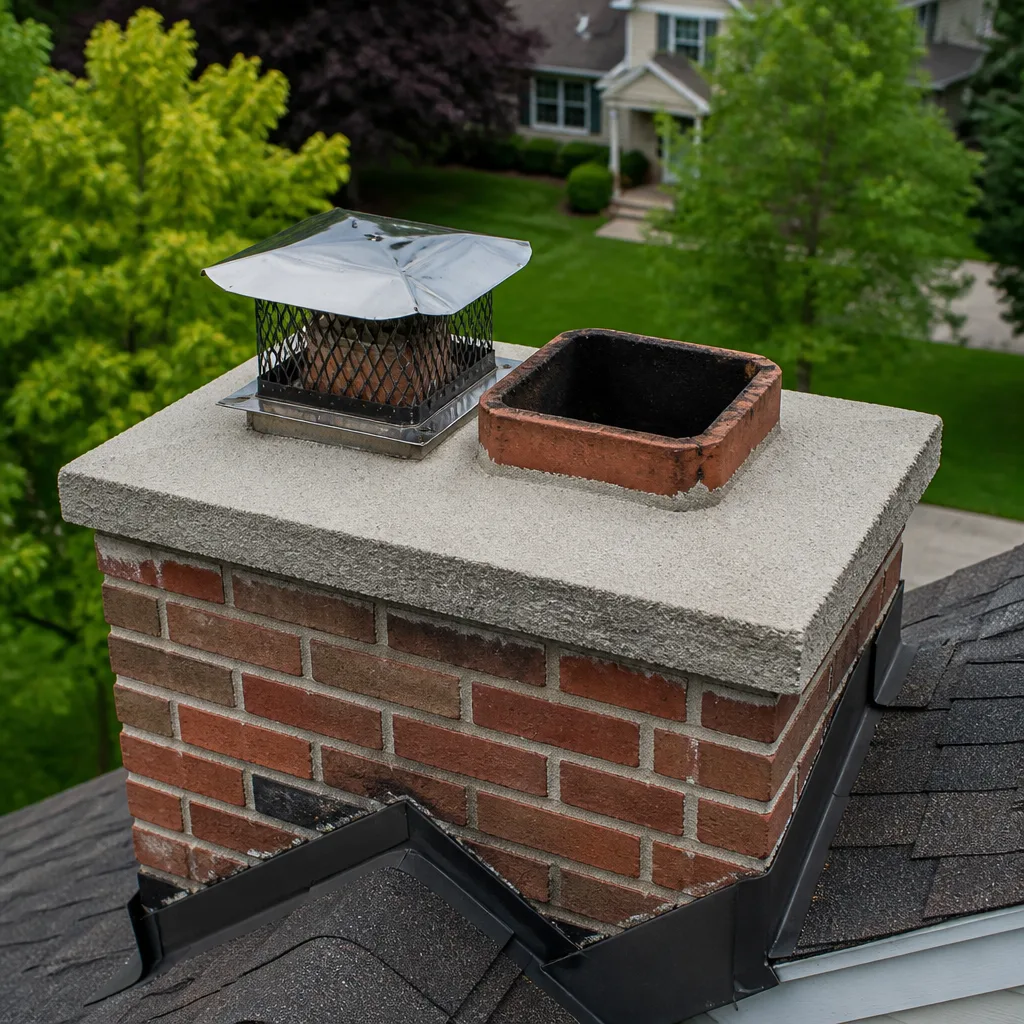 Sweep & inspection
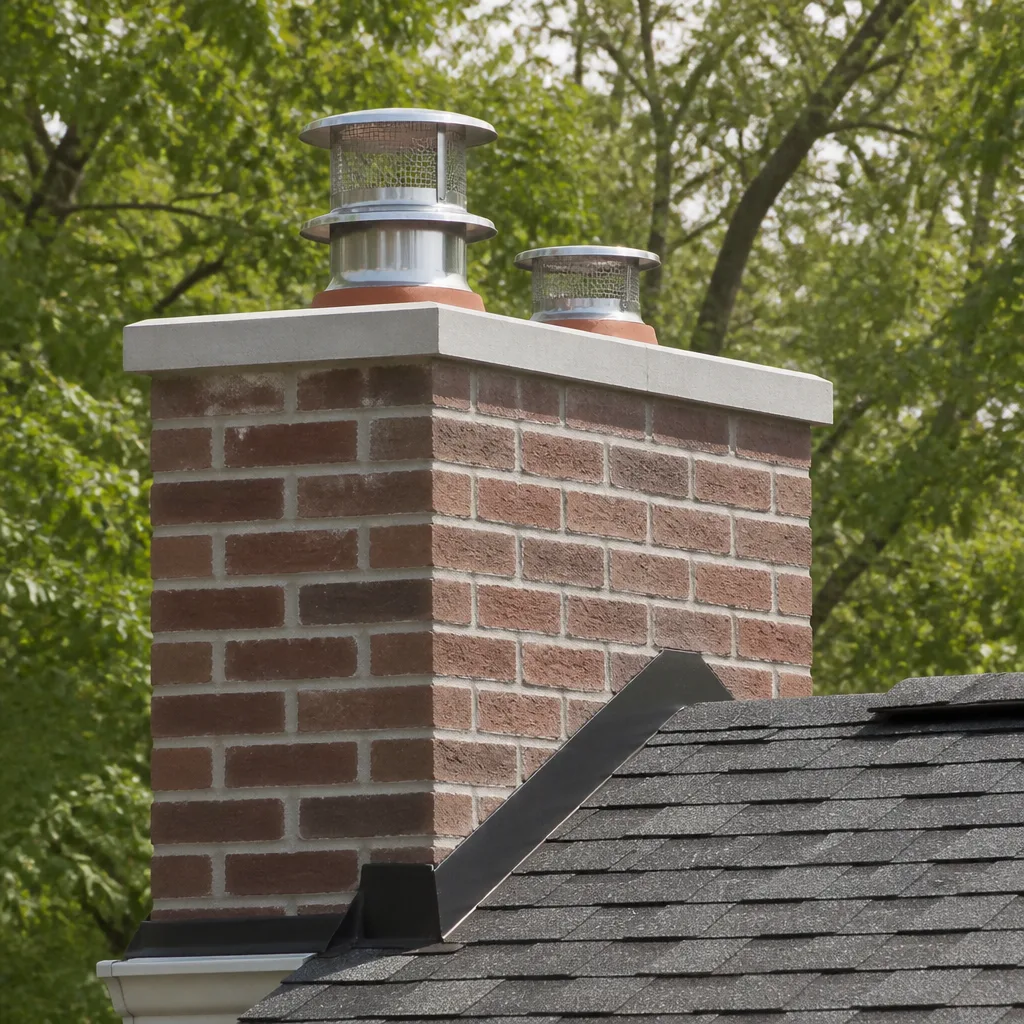 Caps & crowns
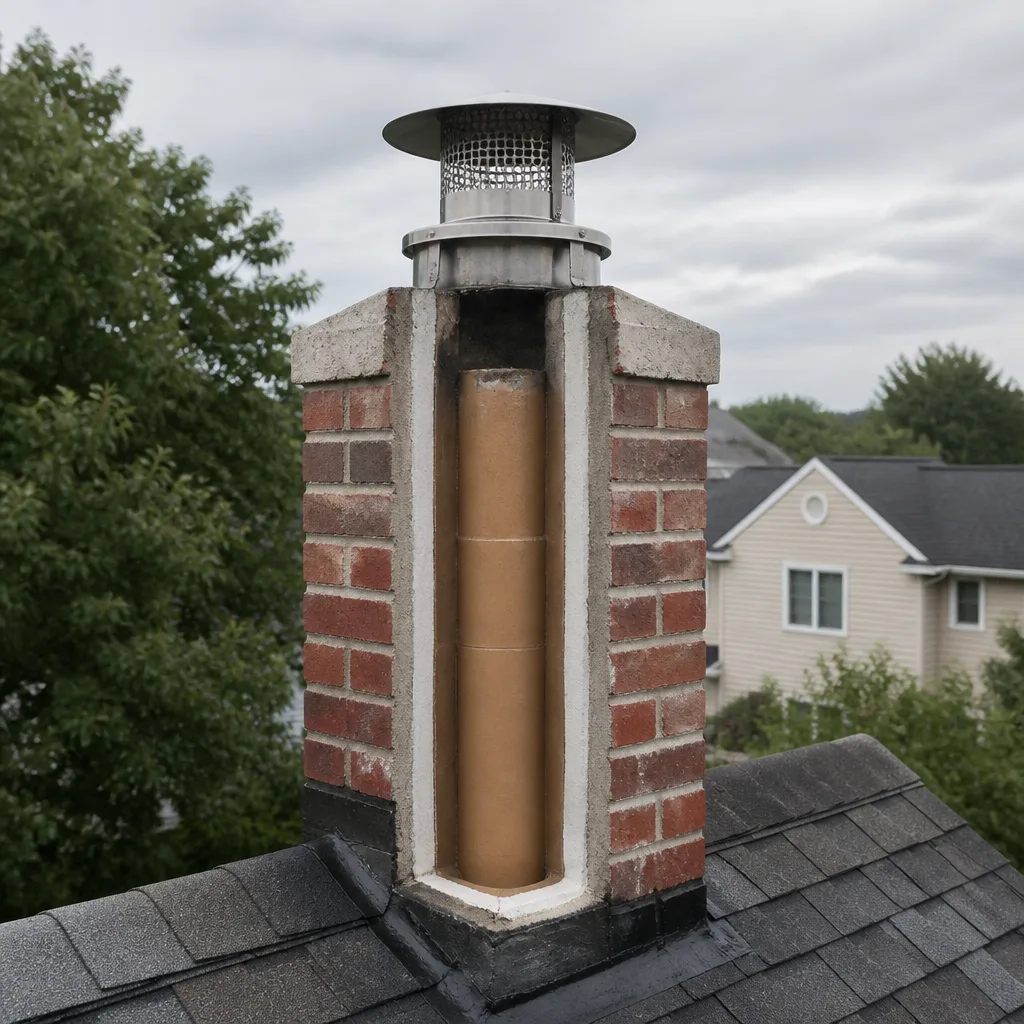 Flue relining
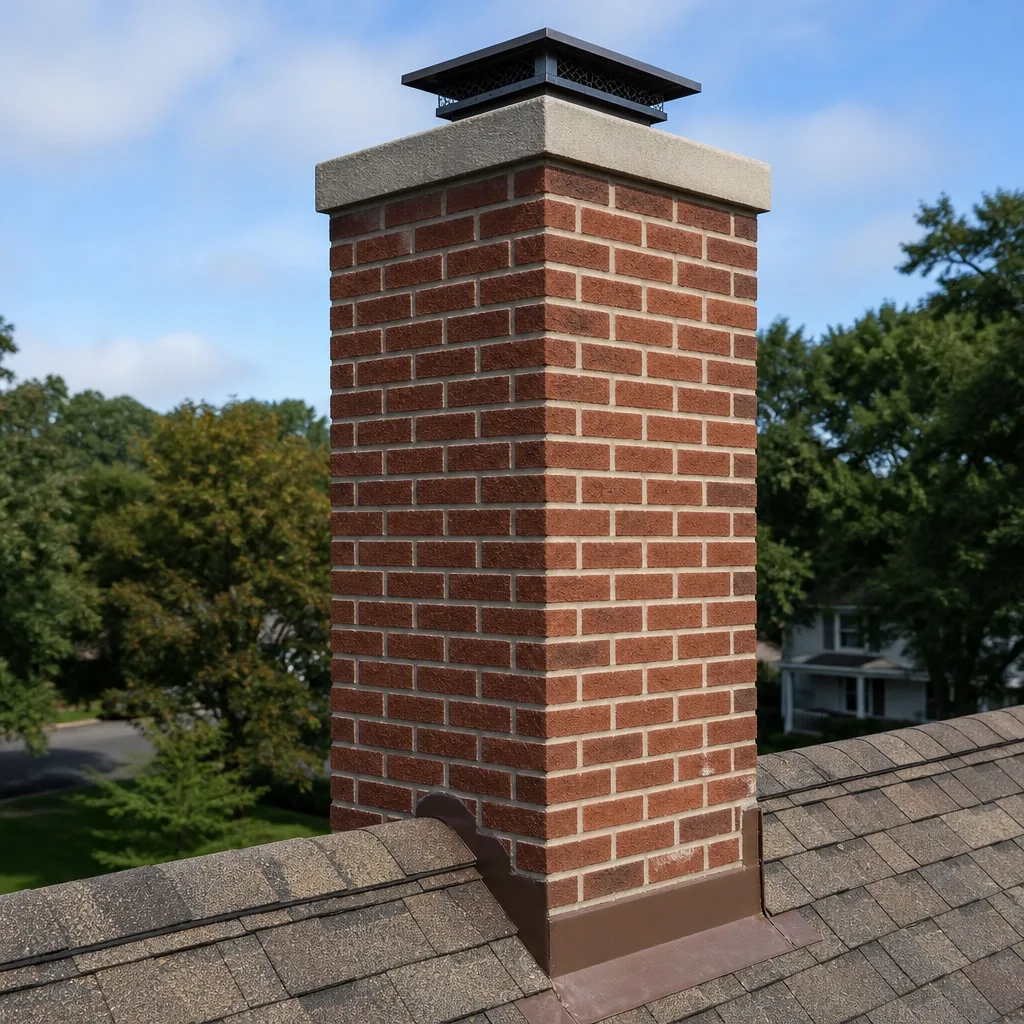 Masonry repair
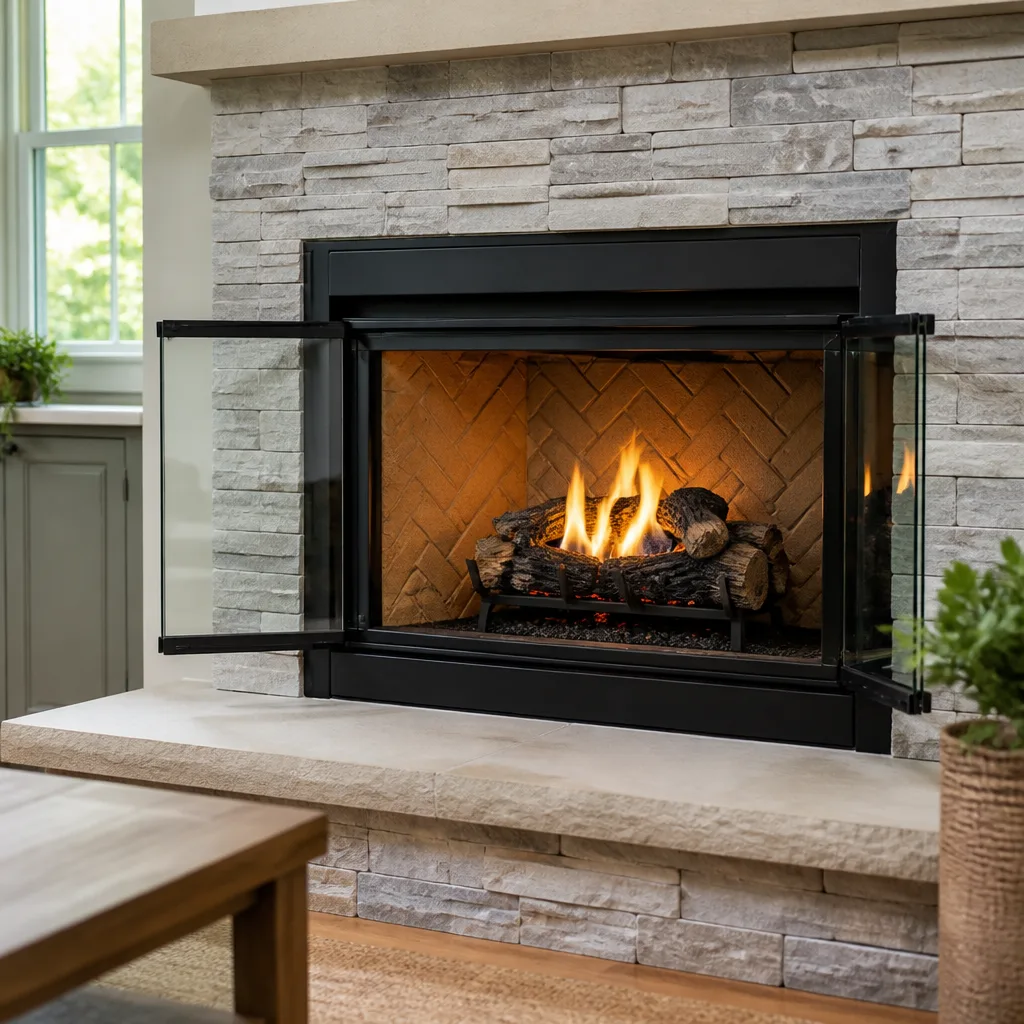 Gas fireplace service
Level 1 sweep and inspection to the NFPA 211 annual standard - flue, crown, cap, and flashing checked and photographed
Chimney sweep logs do not sweep chimneys. They loosen some creosote - which then falls where a brush and vacuum still have to collect it.
Seasonal Chimney Cleaning Care for Berkeley: Year-Round Homeowner’s Guide
Most Berkeley homeowners schedule their chimney sweep in October, right before the first fire of the season. That’s a good instinct, but it misses the two risk windows that actually define chimney care in this city: the dry-wind stretch of September and the wet, mortar-eating months of January through March. Berkeley doesn’t really have four seasons when it comes to your chimney. We get a compressed burn period, a long damp spell, and periodic offshore wind events that stress flashing, caps, and spark arrestors in ways a generic fall-sweep calendar never addresses. This guide covers the full year, month by month, with the specific checks and timing that make sense for a house in the Berkeley hills, the flats, or anywhere in between.
Styles & brands we work with
- Sweep & inspection
- Caps & crowns
- Flue relining
- Masonry repair
- Gas fireplace service
Quick Answer
Seasonal chimney care in Berkeley works best as a three-part rhythm: a pre-burn inspection and sweep in September or early October, a post-wind-event visual check after Diablo wind episodes, and a spring inspection in April or May to catch moisture damage before it becomes structural. Skipping the spring visit is the most common and costliest mistake we see, because Berkeley’s damp winters cause spalling and cap deterioration that a fall-only schedule will not catch for another six months.
Table of Contents
- Why Berkeley’s Climate Doesn’t Fit the Standard Chimney Calendar
- Diablo Winds: What They Do to Your Chimney and What to Check Afterward
- The Wet Season: Moisture, Mortar, and the Damage You Can’t See Yet
- A Month-by-Month Berkeley Chimney Care Calendar
- Preparing Your Chimney for the Warm-Season Shutdown
- Why a Spring Inspection Finds What a Fall Sweep Misses
- Common Mistakes to Avoid
- When to Call a Professional
- Frequently Asked Questions
- The Bottom Line
Why Berkeley’s Climate Doesn’t Fit the Standard Chimney Calendar
Most chimney maintenance advice online was written for places with four distinct seasons: cold snowy winters, spring thaw, hot summers, and a clear autumn lead-in. Berkeley has none of that. We have a marine layer that keeps mornings damp through July, a fire season that runs roughly November through March with occasional shoulder use in April and October, and a pattern of offshore wind events that hit hardest in September and October, then again in spring. Add in the fog belt’s persistent moisture against masonry and you get a set of conditions that demand a different schedule.
Here’s what that means in practical terms. The standard advice to “sweep once a year in fall” is not wrong, but it’s incomplete. In Berkeley, the timing of that sweep matters less than the timing of the second visit. A fall sweep removes creosote and confirms the flue is ready for burn season. A spring inspection, ideally in April or May after the rains taper off, catches what the winter did to your cap, crown, flashing, and mortar joints. Homes that skip the spring visit tend to discover problems in October, right when everyone else is calling, and right when a repair backlog means delays.
We also see a difference between neighborhoods. Houses in the Berkeley hills get more wind exposure and more direct sun on the chimney crown. Houses in the flats, especially older bungalows near San Pablo Avenue or in South Berkeley, deal with more moisture retention in brick and more rust on caps and dampers. Neither condition is worse, but they call for slightly different attention. A hill home may need its spark arrestor checked after every major wind event. A flats home may need its cap and crown inspected for rust and hairline cracks after a wet winter.
The good news is that a proper annual rhythm in Berkeley usually costs less over time than the fall-only approach, because problems get caught when they are still small. A cracked crown that gets sealed in May is a few hundred dollars. The same crack left until October, after another season of thermal expansion and a rainy winter, can mean a full crown rebuild and water damage to the flue lining.
Diablo Winds: What They Do to Your Chimney and What to Check Afterward
Diablo winds are offshore wind events that sweep down from the interior toward the coast, often in September and October, and they are hard on chimneys in ways most homeowners never consider. The wind itself can exceed 50 mph in exposed hill locations, but the damage is rarely dramatic. You won’t usually see a chimney toppled or a cap blown off into the yard. What you get instead is accumulated wear on the components that keep embers contained and drafts controlled.
Here’s what high wind actually does. The spark arrestor, which is the metal mesh screen at the top of the chimney, gets battered by wind-driven debris and can loosen at its attachment points. A loose spark arrestor can rattle, which you might hear on windy nights, but it can also gap open at one edge, creating an ember escape route during the exact weather conditions that make embers dangerous. The cap itself can shift slightly, breaking the seal of the caulk or mechanical fastening, which then lets water in during winter rains. Wind-driven rain gets pushed sideways under the cap lip and into the flue, where it mixes with creosote to form an acidic slurry that accelerates liner deterioration.
After a significant Diablo wind event, here is what to physically check:
- Walk the perimeter and look up. Use binoculars if needed. Confirm the cap is still seated squarely on the flue and the spark arrestor screen is intact with no tears or pulled-away sections.
- Listen for new rattles. A cap or arrestor that’s come loose will often rattle when the wind picks up. If you hear something new, get it checked before burn season.
- Check the flashing. High wind can work flashing loose at the roof line. From inside the attic, look for any daylight at the chimney penetration or signs of water staining on roof sheathing.
- Inspect the chimney crown. Wind-driven debris can chip the crown surface. Small chips become water entry points during winter rain.
- Check nearby trees. Overhanging branches that rub against the chimney or cap during high wind should be trimmed back. Contact abrasion damages both the masonry and the metal components.
We work with replacement caps and arrestors from Gelco and Olympia Chimney because they hold up to this kind of exposure better than generic hardware-store versions. The difference comes down to gauge of steel, quality of the mesh, and how the arrestor is secured to the cap assembly. A properly installed arrestor from a brand built for coastal and wind-prone climates will survive multiple Diablo wind seasons. A thin-gauge generic version often will not make it through one.
The Wet Season: Moisture, Mortar, and the Damage You Can’t See Yet
Berkeley’s rainy season, roughly November through March, is the period that causes the most expensive chimney damage, and it’s also the period when that damage is hardest to detect. The damage starts small and invisible: water enters through a hairline crack in the crown, a void in the mortar joint, or a rusted-through section of cap flashing. It soaks into the brick or the flue tile. Then the thermal cycle does its work. The chimney heats during fires, cools at night, and the trapped moisture expands and contracts. Over a full wet season, that cycle can spall the face off bricks and open cracks in clay flue liners.
Spalling is the term for brick faces breaking away, and Berkeley sees a lot of it in older homes with original masonry. It’s not an aesthetic problem. Spalled brick exposes the softer interior of the unit to direct water absorption, which accelerates the cycle. Once spalling begins, letting it go for another wet season usually means the difference between a repointing job and a partial rebuild.
The parts most vulnerable during the wet season, in order:
- Chimney crown. The concrete or stone cap at the top. A hairline crack here channels water straight into the chimney structure.
- Flashing. The metal seal where the chimney meets the roof. Winter storms with wind-driven rain test flashing more than any other time of year.
- Mortar joints. Older lime-based mortar absorbs water. Repeated wet-dry cycles break down the bond.
- Cap and arrestor. Rust never sleeps, and Berkeley’s salt-tinged marine air accelerates it on metal components.
- Damper. A damper that doesn’t seat fully lets warm, humid air rise from the house into the flue during winter, where it condenses and adds moisture to the system.
If you heat with a fireplace during the wet months, you may also notice a difference in draft on rainy days. Water entering the flue can cool the air column, making it harder to establish a strong draft. If you’ve noticed that your fireplace smokes more on wet days than dry ones, that’s often the explanation. Water is getting in somewhere, and it’s cooling the flue.
The wet season is not the time to schedule major masonry repair, by the way. Repointing and crown work need drier conditions to cure properly. What the wet season is good for is noting the symptoms, so that a spring inspection has a clear list of concerns to investigate. If you see water staining on the ceiling near the chimney, if you hear dripping during rain, if you smell a damp, sooty odor in the firebox, write it down and have it checked in spring.
A Month-by-Month Berkeley Chimney Care Calendar
Here is the full annual schedule we recommend for a typical Berkeley home with a wood-burning fireplace or wood stove. Adjust slightly if you have a gas insert, which we’ll note along the way.
September
This is the month to schedule your pre-season chimney sweep in Berkeley. It’s also the month to be alert for Diablo wind events. Do a visual check of the cap and arrestor after any high-wind day. If you haven’t burned since spring, the flue is as it was left, and a sweep now confirms it’s ready. If you have a gas insert, September is a good time to check that the pilot light assembly and glass seal are intact.
October
First fires usually happen this month. Burn only seasoned wood with a moisture content below 20 percent, which means wood that’s been split and stacked for at least six months. Wet or green wood produces more creosote per fire than dry wood, and in a short burn season like Berkeley’s, you may only have a dozen or two fires a year. You want every one of those fires to be as clean-burning as possible. If you have a wood stove, October is the month to confirm the door gasket is sealing properly. A gasket that’s gone flat or brittle lets in too much air, which can overfire the stove.
November
Burn season is steady now. On the first rainy stretch, check for any signs of water intrusion, a ceiling stain, a damp smell near the firebox, or dripping sounds. If you burn regularly, you may want to do a quick mid-season check of ash buildup. With a wood stove, keep ash below the level of the firebrick, but don’t remove it entirely, as a thin ash layer actually helps the fire burn.
December through February
This is the core burn season and the heart of the wet season. The two systems, fire and water, are now interacting constantly. Keep an eye on draft. If the fireplace starts to smoke more on damp days, it’s a sign of water in the flue or a cold air plug. Run the fire hot enough to establish a full draft before closing the damper or adjusting the stove air control. If you notice any new odor or any residue on the mantel or fireplace glass, investigate rather than assuming it’s normal. For gas inserts, check the vent termination outside once during this period for debris, nests, or corrosion.
March
The rainy season is winding down but not over. This is the month when many homeowners discover water damage that has been building for months. If you saw evidence of water intrusion over the winter, now is the time to start lining up a repair estimate. Waiting until fall means another dry season of thermal cycling on already-damaged masonry. If you have a wood stove, March is also a good month for a late-season visual check of the flue pipe from the stove to the ceiling box, if accessible.
April
This is the month to schedule your spring chimney inspection. The rain is mostly done, the fire season is over, and the chimney is in a steady state. A spring inspection catches crown cracks, flashing gaps, spalling, and arrestor damage that occurred during the winter. It also gives you the summer to plan and complete any repairs without the pressure of a burn-season deadline.
May
Complete any repairs identified in April. If repointing or crown work is needed, May’s drier and warmer conditions are ideal for curing. If no repairs are needed, the inspection gives you a clean report to file away. If you have a gas insert and plan to shut it down for summer, now is the time to have the glass and burner assembly checked.
June through August
The chimney is dormant, and that’s fine, but it’s not a reason to ignore it entirely. During the warm months, make a point to do two things. First, after any unusual wind event, do a quick visual check of the cap. Second, if you notice any musty odor from the firebox during the warmest weeks, that’s a sign of moisture trapped in the system. For more on this, see the next section, because how you shut down the chimney for summer has a direct effect on whether it’s clean and dry when you light it again in the fall.
Preparing Your Chimney for the Warm-Season Shutdown
The most common way homeowners create their own fall problems is by closing the damper tightly after the last spring fire and walking away. The logic seems sound: close the damper to keep conditioned air in the house and pests out. But in Berkeley’s climate, sealing the flue too tightly during the warm months traps moisture inside the chimney, and trapped moisture is exactly what feeds mold, rust, and mortar breakdown.
The physics is straightforward. During the warm season, the air inside the chimney is warmer than the air outside at night, which creates a mild upward draft even when the fireplace isn’t in use. That slow airflow helps carry moisture out of the flue and away from the masonry. If the damper is fully sealed, that airflow stops, and any residual moisture from the wet season stays put. By September, you can have a damp, musty flue that smells bad and has begun to degrade the liner.
The solution is to leave the damper slightly cracked, or better, to address it at the top of the chimney. Here’s the shutdown sequence we recommend for a wood-burning chimney in Berkeley:
- After your last fire of the season, let the firebox cool completely. Do not close the damper on a warm firebox, as this traps hot, moisture-laden air in the flue.
- Clean out the firebox. Remove all ash, as ash is hygroscopic, meaning it pulls moisture from the air and holds it against the firebox floor. A clean firebox is less likely to rust out the ash dump or damper assembly over summer.
- Inspect the damper. Look for rust, warping, or a poor seat. If the damper doesn’t close fully, that’s actually acceptable for summer, but you’ll want it functioning for next burn season. If it’s rusted through or seized, schedule a repair now rather than discovering it in October.
- Leave the damper open about half an inch. This allows the natural chimney draft to keep the flue drier. If you’re concerned about pests, a properly fitted top-sealing damper or a cap with a pest screen from Famco or Copperfield solves that problem at the top without sealing the flue at the bottom.
- If you have a visible cap, do one more inspection before the summer heat sets in. Anything loose or rusting will only get worse in the warm, dry months.
A note for homes in Berkeley’s fog belt. If you live west of Sacramento Street or in the flats where summer fog is persistent, your chimney sees more ambient moisture during the “dry” months than a hill home does. The damp, marine air doesn’t penetrate the way rain does, but it does slow the drying cycle. Homes in the fog belt benefit most from leaving the damper cracked over summer, and they also tend to need cap and arrestor replacement more often because the constant moisture speeds up rust.
Why a Spring Inspection Finds What a Fall Sweep Misses
Most Berkeley homeowners understand that a fall sweep removes creosote, but they don’t realize that a spring inspection is a fundamentally different service. It’s not a second sweep. It’s a diagnostic visit, and it catches a different category of problems.
Here’s what a spring inspection finds that an October sweep will not. In the fall, the creosote is present and needs to be removed. The liners, cap, crown, and mortar joints are all in whatever state the summer left them. If water damage occurred over the previous winter, it’s already six or eight months old by the time a fall sweep sees it. The damage has had a full warm season to bake in, expand, and worsen. In the spring, that same damage is fresh. A hairline crown crack that opened during January rain is visible in April. By October, that crack has widened, but it’s also been joined by new damage, and the repair is now bigger.
The specific things a spring inspection looks for:
- Crown cracks. Fresh cracking from winter freeze-thaw cycles, which do occur in the Berkeley hills on cold clear nights even if the flats don’t freeze.
- Flashing separation. Winter storms can pull flashing away from the chimney and roof, and the gap is easiest to see before summer heat causes expansion that temporarily closes it.
- Spalling brick. The faces that popped off during the wet season are visible now and haven’t yet been weathered by another summer.
- Creosote stage and type. A spring inspection can tell you what kind of creosote your burn habits produced this season. Stage 1 is flaky and normal. Stage 3 is glazed and indicates burning habits that need adjusting. Knowing this in spring gives you information to change what you burn next fall.
- Cap and arrestor condition. Rust and wind damage from March storms are fresh and easily identified.
- Damper function. A damper that’s been damaged by heat or rusted by a damp summer will show signs in spring that are easy to fix before the next burn season.
The spring inspection is also the moment to use a camera if anything is uncertain. When we inspect a flue and see something that doesn’t look right, we put a camera up and show you what we’re seeing. You can’t make a good decision about a liner repair if you haven’t seen the problem, and the spring visit is when that evidence is most useful. If a liner is cracked but not yet failing, you have the entire summer to evaluate options. If a liner repair or resurfacing is needed, systems like HeatShield can restore a deteriorated flue without a full liner replacement, and that work is much easier to schedule in summer than during the October rush.
In our experience, the homeowners who move to a spring-plus-fall rhythm in Berkeley end up with lower long-term repair costs. They catch small problems early, schedule work during the slow season, and never face a situation where they can’t use their fireplace in November because a problem was only just discovered.
Common Mistakes to Avoid
- Skipping the spring inspection because “we already swept in fall.” The fall sweep removes creosote. The spring inspection catches water damage. They’re different services answering different questions, and skipping spring means catching winter damage in October, at the worst possible time for scheduling repairs.
- Closing the damper tightly for the summer. In Berkeley’s damp climate, a sealed flue holds moisture. Keep the damper cracked slightly, and if pests are a concern, install a pest screen at the top instead of sealing the bottom.
- Burning unseasoned wood because the fire season is short. Berkeley homeowners often buy a small amount of wood and burn it the same season. That wood hasn’t had time to season, and it produces more creosote per fire than properly dried wood. Buy in spring and let it season through the summer.
- Ignoring draft problems that only happen on rainy days. A fireplace that smokes on wet days is telling you water is entering the flue. That’s a diagnostic clue, not a quirk to live with, and it usually points to a cap or flashing issue that is cheap to fix now and expensive to fix later.
- Using a handyman for chimney structural work. Chimney repair in Berkeley requires understanding of fire code, draft mechanics, and proper material selection. A generalist who doesn’t source professional-grade components from brands like Olympia Chimney, Gelco, or Famco may install a cap that fails in the first Diablo wind season. Chimney repair in Berkeley is not a place to cut corners on material quality.
- Waiting until October to book everything. Every chimney company in the Bay Area is overwhelmed in October. The homeowners who book in September get their choice of dates. The ones who call the first week of November wait weeks, and in a short burn season, those weeks matter.
- Forgetting the dryer vent. Lint buildup is a leading household fire hazard, and Berkeley’s older homes often have long dryer vent runs through crawlspaces and basements where lint accumulates faster. If you’re already having your chimney serviced, adding dryer vent cleaning in Berkeley on the same visit addresses two fire hazards in one appointment.
When to Call a Professional
There are tasks in this guide you can handle yourself, the visual checks, the damper positioning, the firebox cleaning, the wood selection. And there are moments where calling a professional is the correct and safer move. If you see water staining near the chimney, if you hear debris falling in the flue, if you smell a chemical or burning odor that won’t go away, or if your damper is rusted, seized, or no longer seats properly, those are signs of a problem that a visual check won’t resolve. The same applies when a high-wind event has visibly shifted your cap or torn the spark arrestor. Working on a chimney top is not a ladder-and-caution job, it’s a job for someone with the right equipment and experience. If you’re not sure what you’re looking at, get a professional assessment before burn season, not after. Chimney Sweep Berkeley offers free estimates for Berkeley homeowners. Call (855) 382-9432 and we’ll tell you what we found, not what sells the biggest job.
Frequently Asked Questions
For a wood-burning fireplace used regularly during the November-to-March burn season, an annual sweep in September or early October is the minimum. Homes that burn more than two cords of wood per season or that burn soft woods like pine should consider a mid-season check in January. Gas inserts need less frequent sweeping but still benefit from an annual inspection of the venting and burner assembly.
Yes, because the spring inspection catches a different category of problem. The fall sweep addresses creosote accumulation. The spring inspection addresses weather damage from the wet season, crown cracks, flashing gaps, spalling, and cap rust. Berkeley’s damp winters cause damage that a fall-only schedule won’t see until it’s had another full season to worsen. Call (855) 382-9432 for an exact quote on a spring inspection, estimates are free.
Do a visual check of the chimney cap, spark arrestor, and flashing. Use binoculars from the ground if you don’t want to climb a ladder. Look for anything shifted, torn, or hanging loose. Listen for new rattles on the next windy day. If anything looks off, schedule an inspection before burn season, because a loose arrestor during a Diablo wind is an ember risk, and a shifted cap is a water entry point.
Yes, and in most cases you should leave it cracked about half an inch. A fully closed damper traps moisture in the flue during Berkeley’s damp season and warm months. A slightly open damper allows the natural chimney draft to keep the flue drier. If you’re worried about pests, a pest screen or top-sealing damper installed at the chimney top solves that without trapping moisture below.
In Berkeley specifically, the most likely outcome is water damage that compounds. A small crown crack or flashing gap left untreated through one wet season becomes a larger crack through the next. Creosote accumulates in a wood-burning chimney with each fire, and stage 2 or stage 3 creosote can ignite. Moisture mixed with creosote also accelerates flue deterioration. A chimney that goes two or three years without inspection in this climate often needs repair work that would have been unnecessary with annual care.
Yes. Lint buildup is one of the leading household fire hazards, and Berkeley’s older homes, particularly those with long vent runs through basements and crawlspaces, are prone to faster accumulation. We can handle your chimney sweep and your dryer vent cleaning in the same visit, which means one appointment instead of two contractors and two sets of scheduling. Call (855) 382-9432 to schedule both.
The Bottom Line
Berkeley’s chimney care rhythm is its own thing. It doesn’t map to the standard four-season model, and homeowners who force that model onto this climate end up with damage they could have avoided. The changes to make are simple: sweep in September, inspect again in spring, check after wind events, and keep the damper cracked through summer. Those four habits, applied consistently, will catch most problems when they’re small and keep your fireplace ready for the short, intense burn season Berkeley actually has. If you’re not sure where your chimney stands, start with an inspection. A professional assessment gives you a baseline, and from there, the calendar makes sense.
Written by the team at Chimney Sweep Berkeley, serving Berkeley since 2015.
See the difference
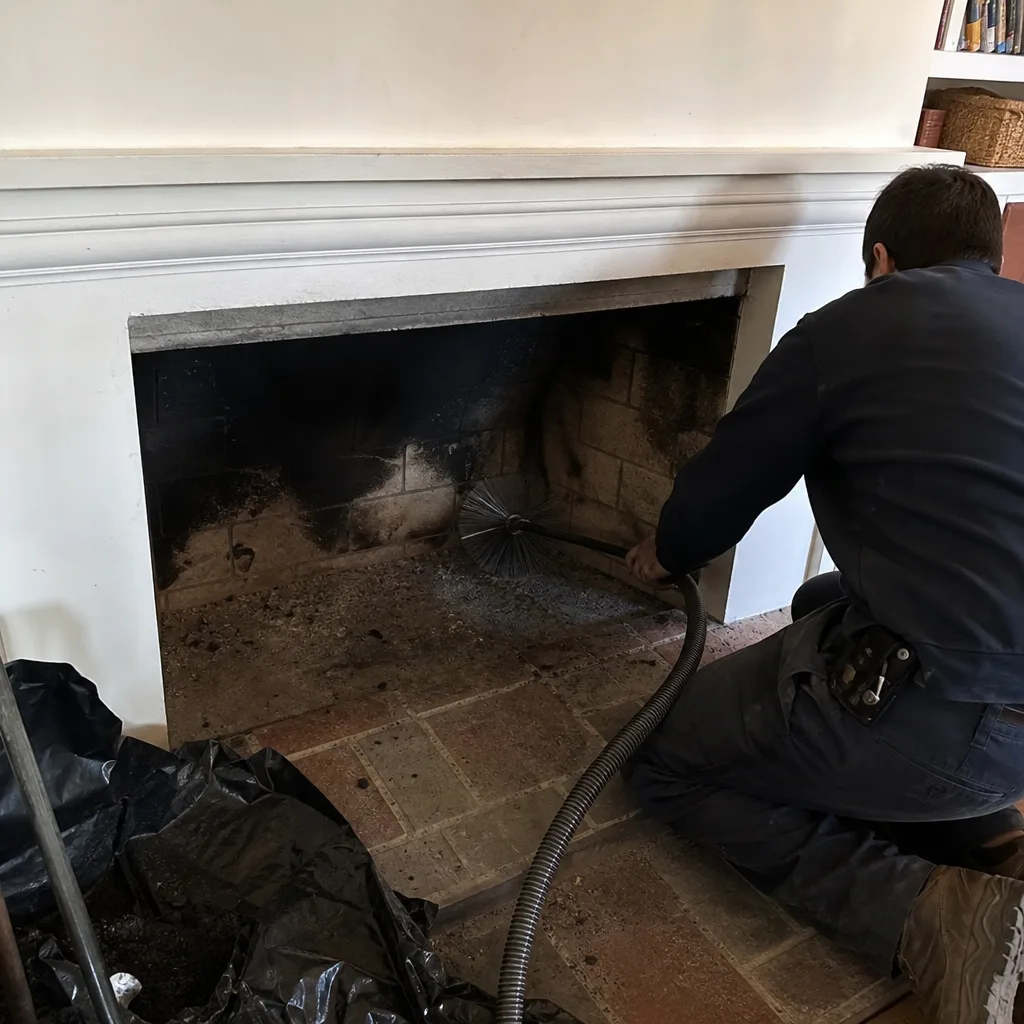 Before
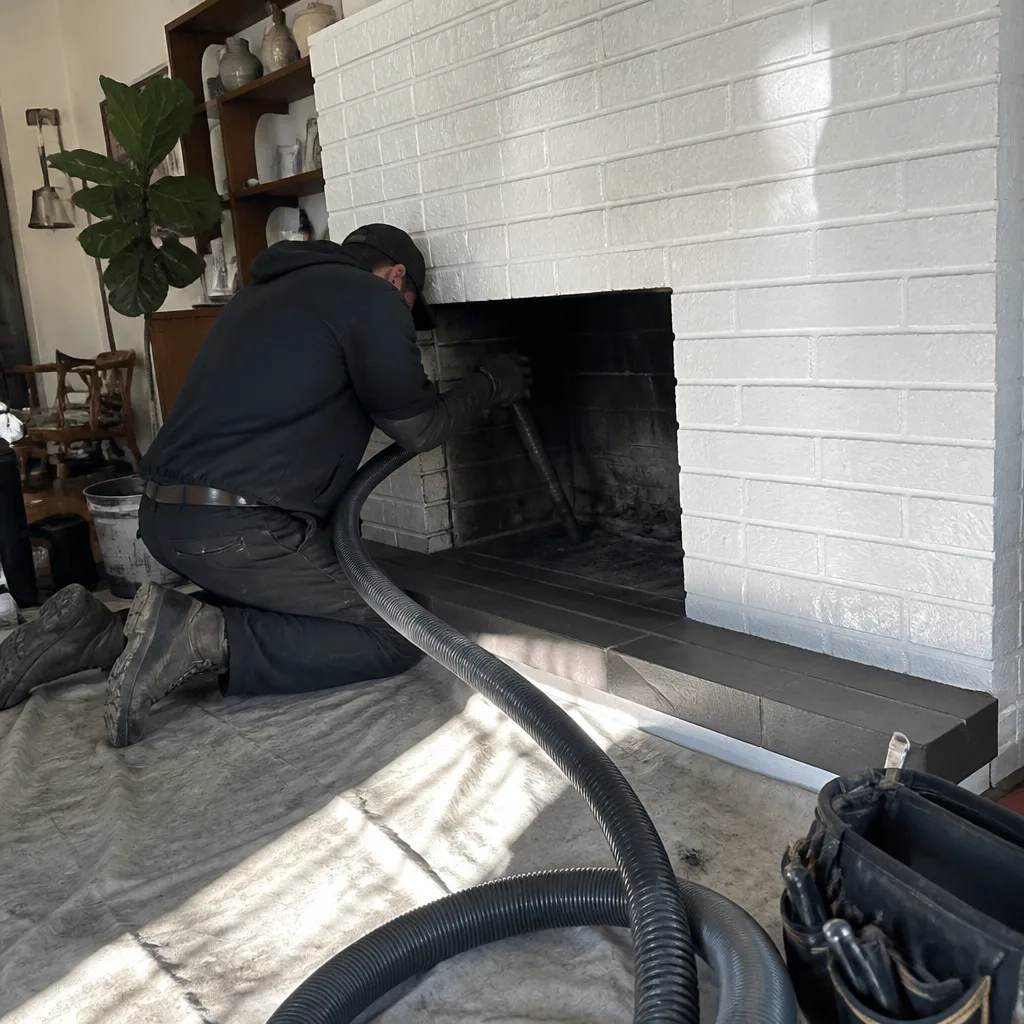 After
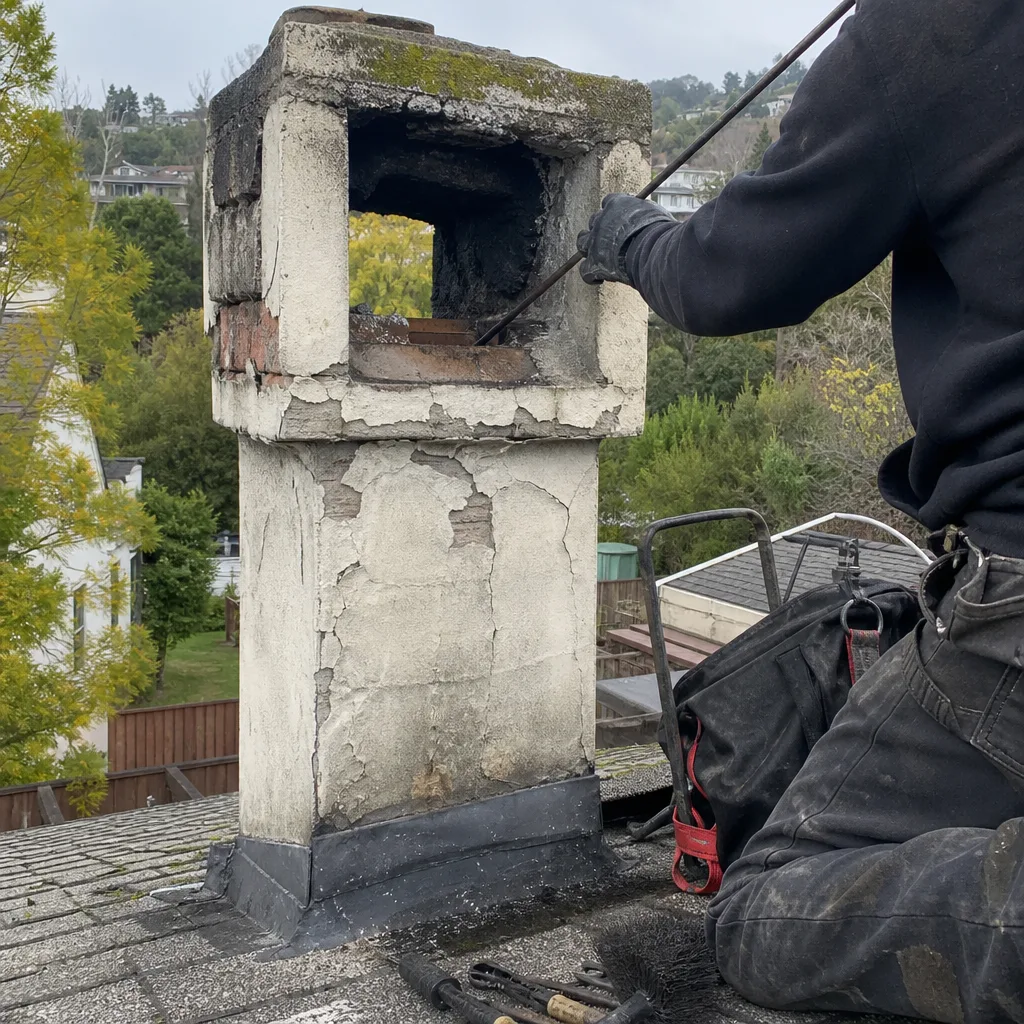 Before
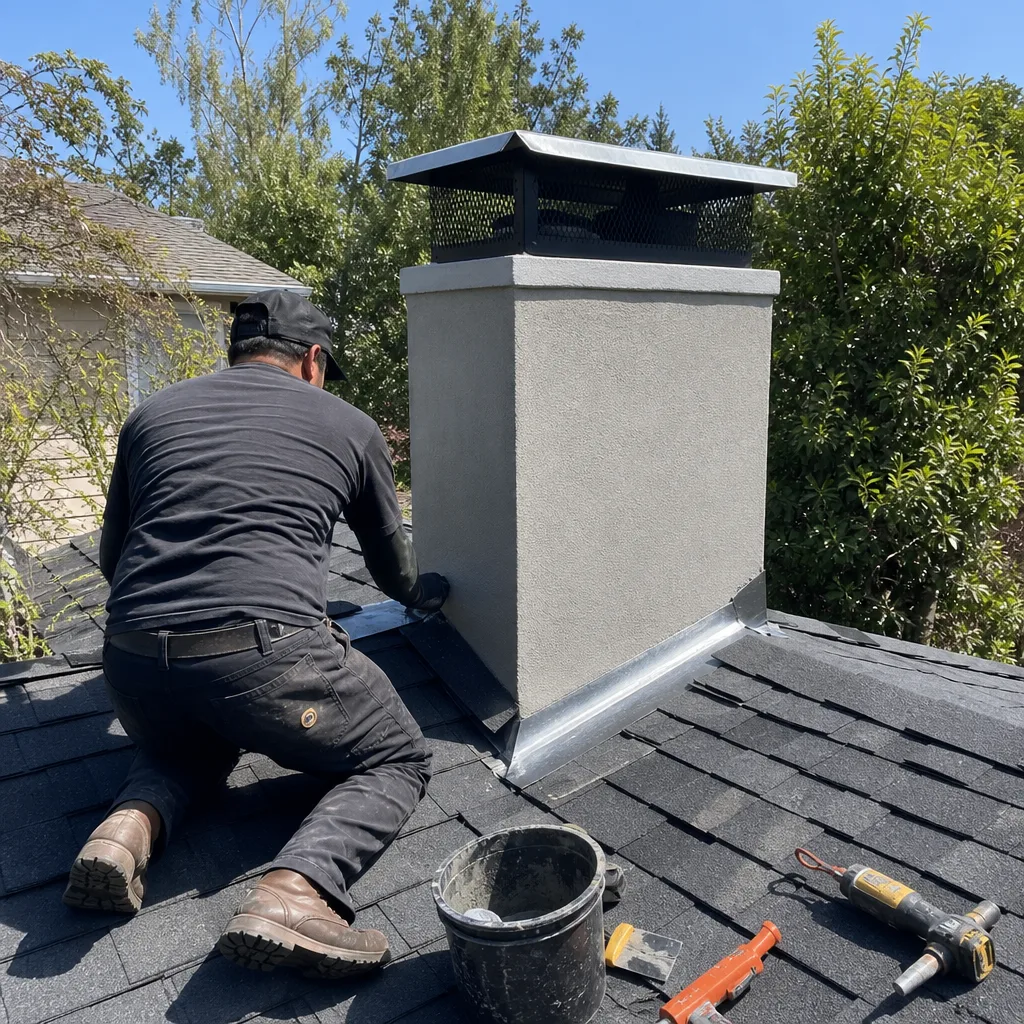 After
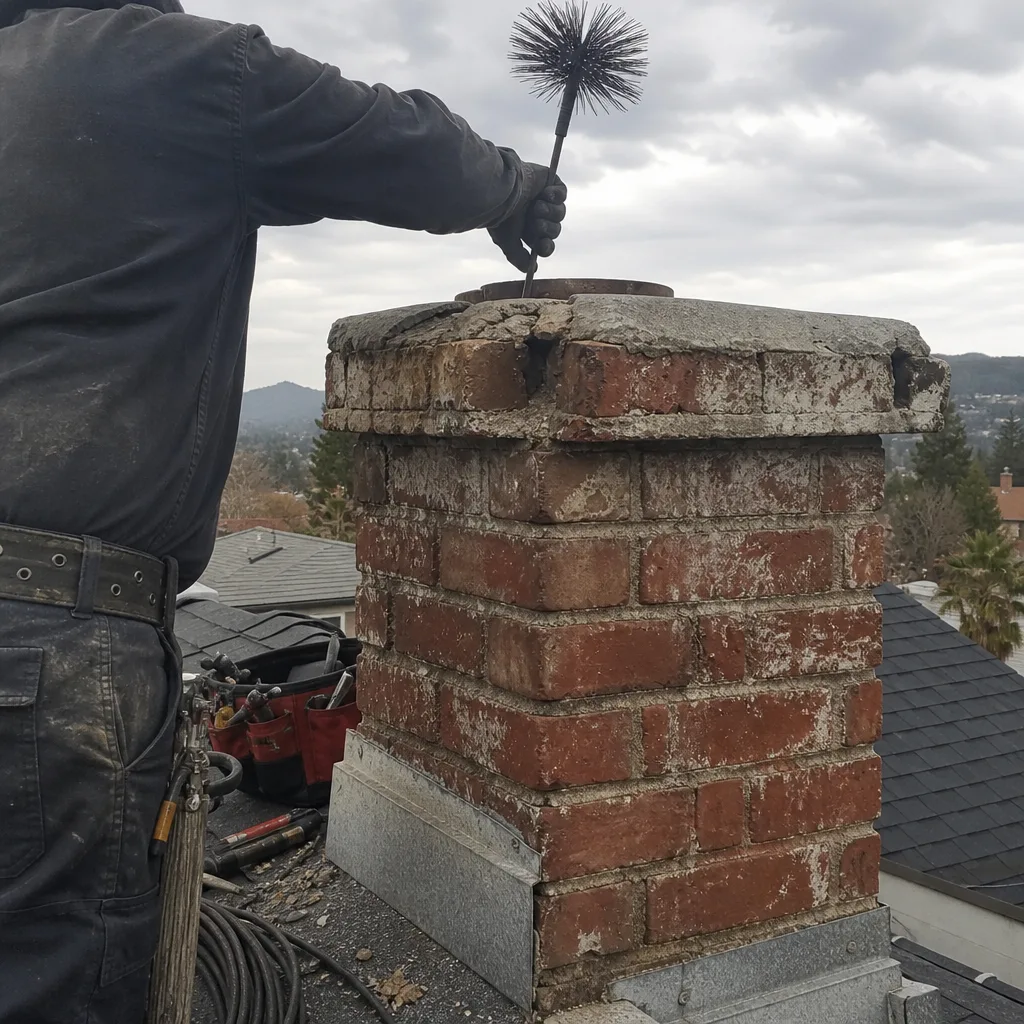 Before
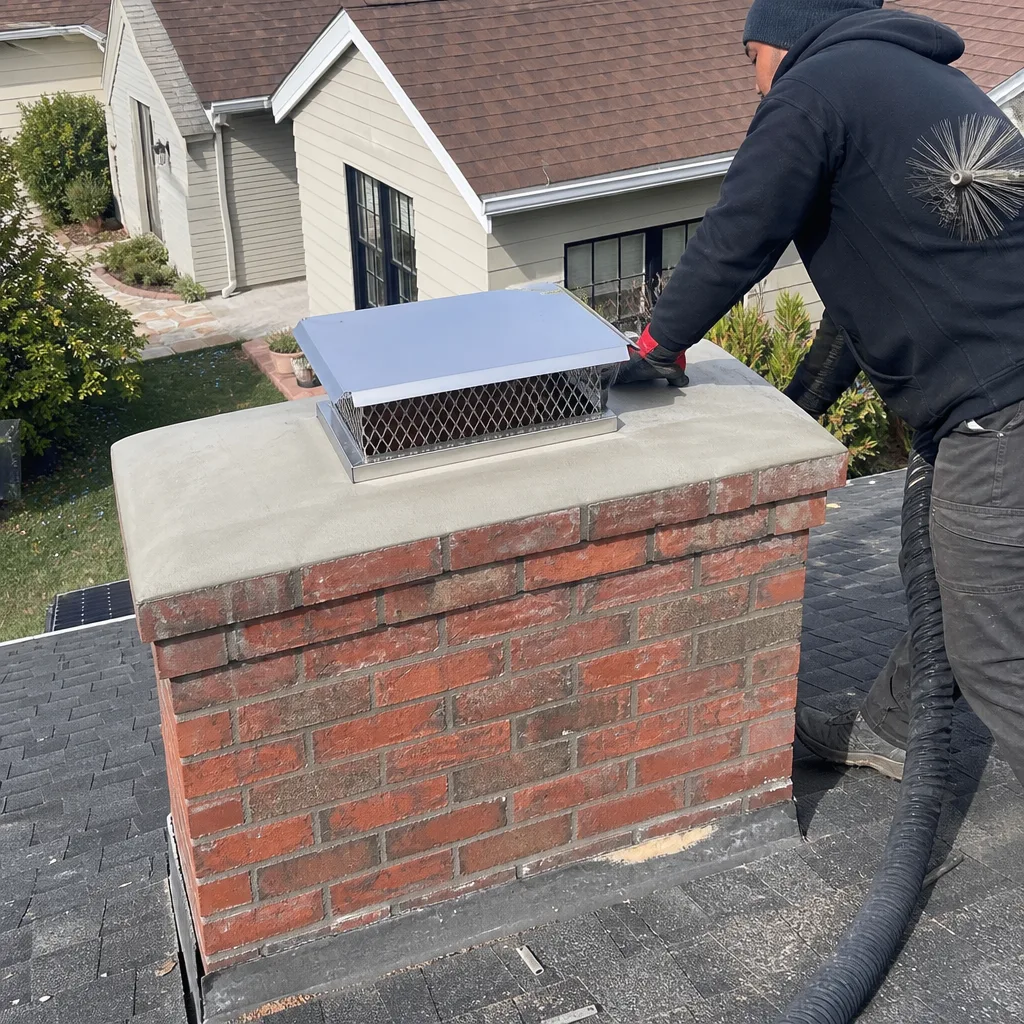 After