
Last updated November 2, 2026
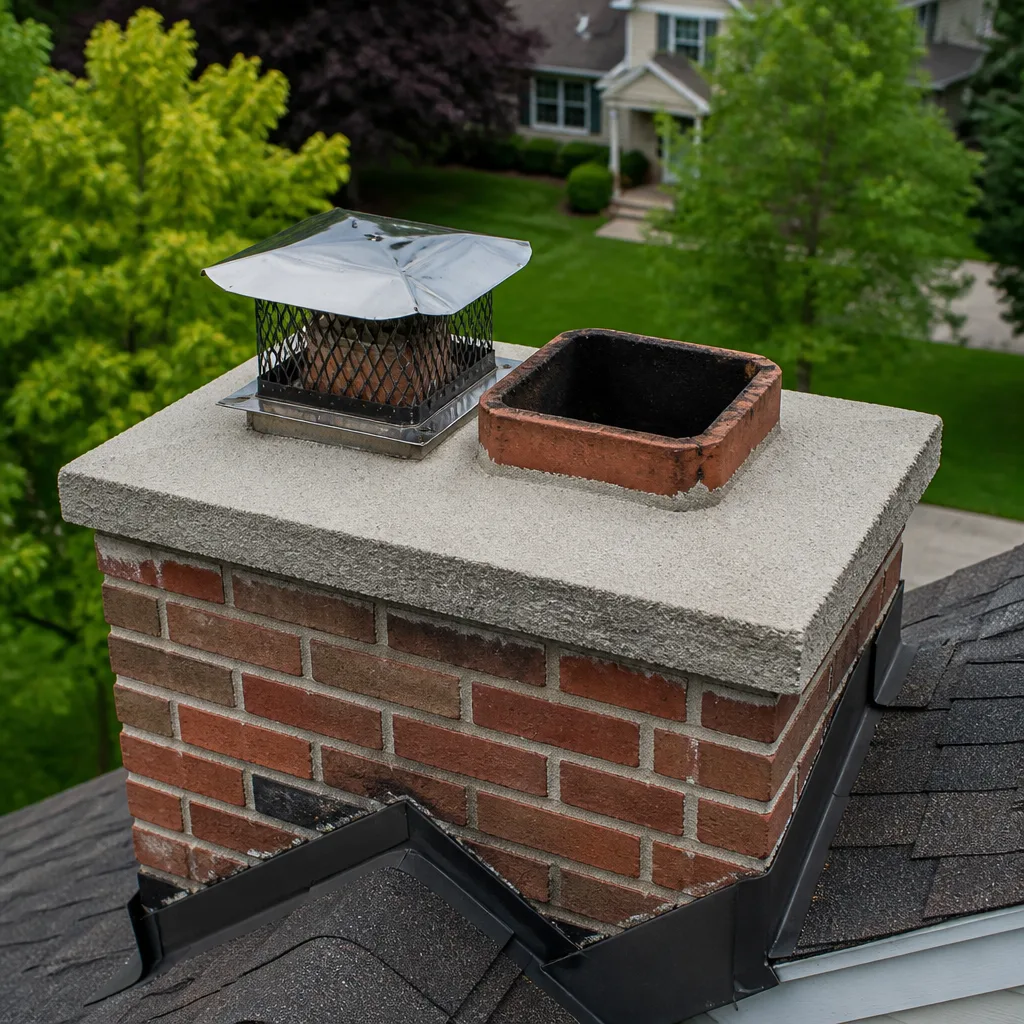 Sweep & inspection
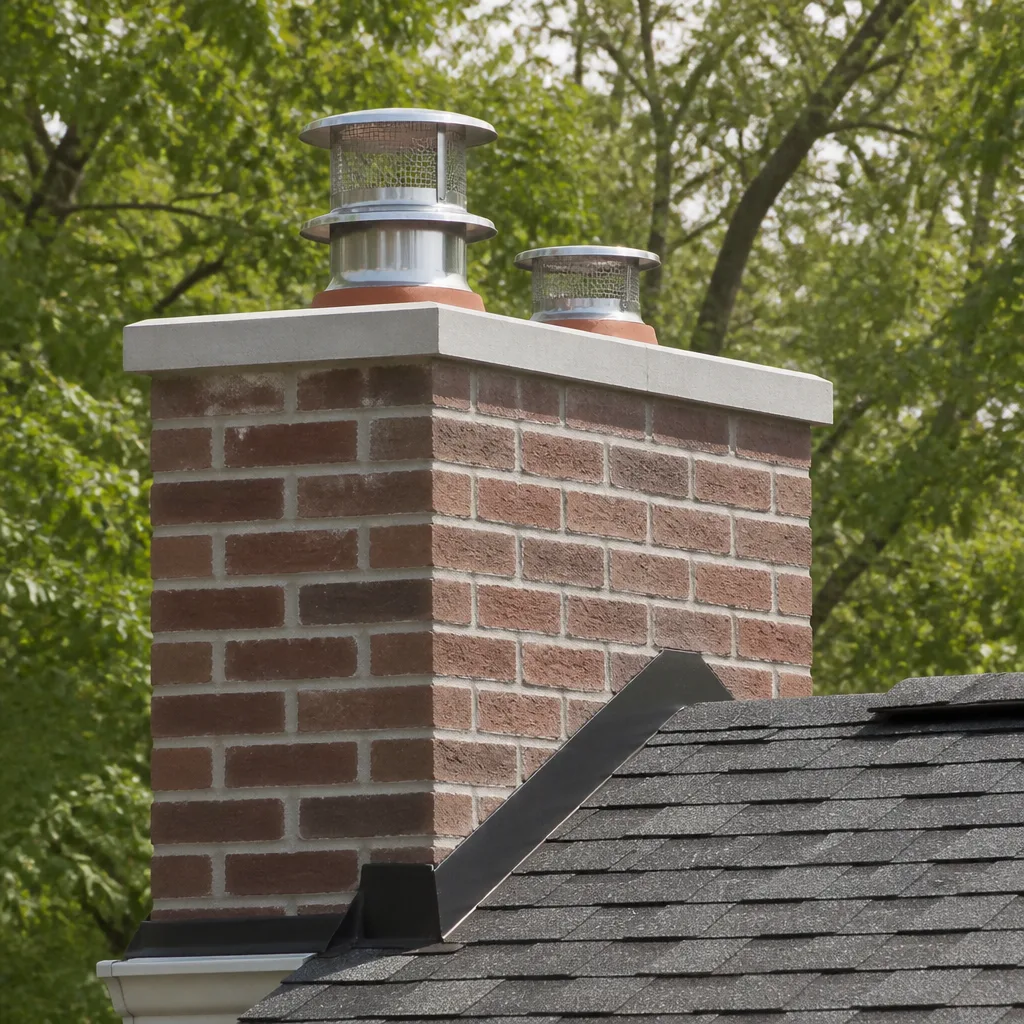 Caps & crowns
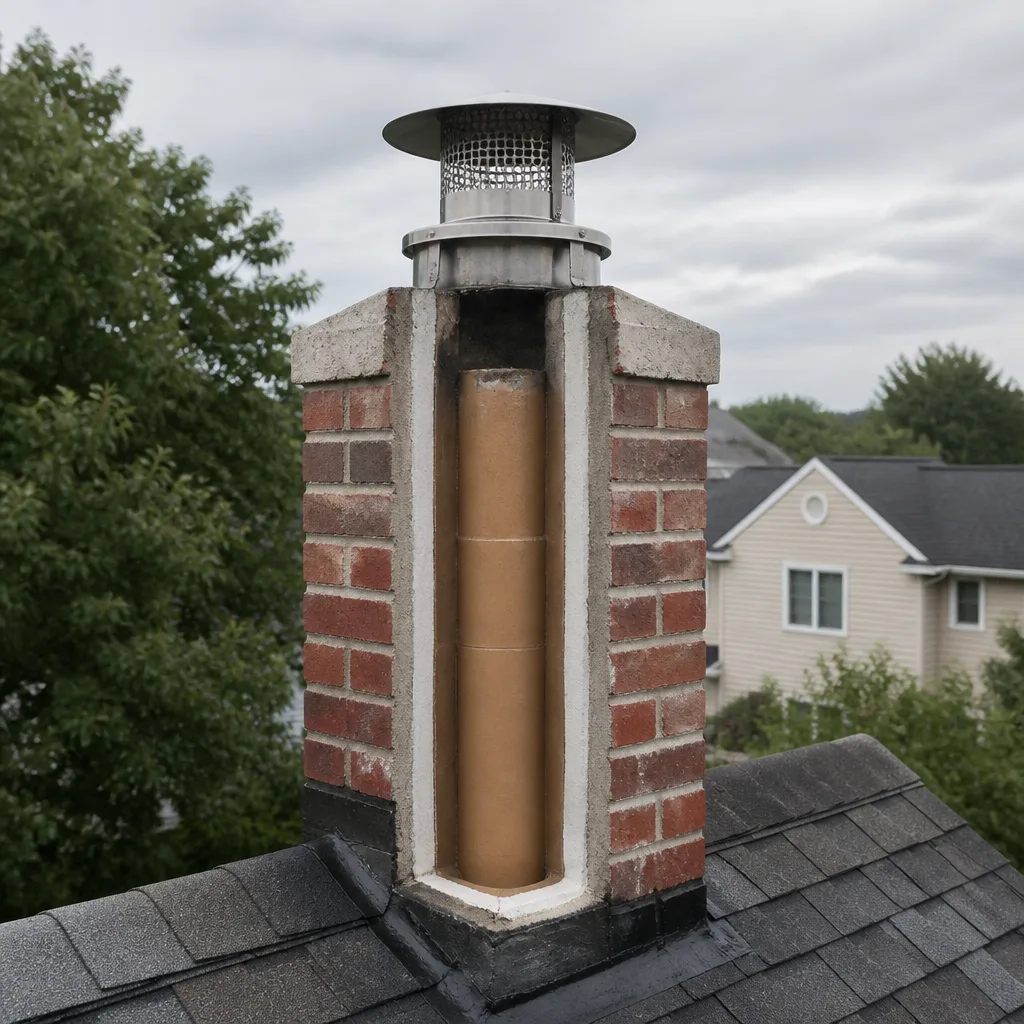 Flue relining
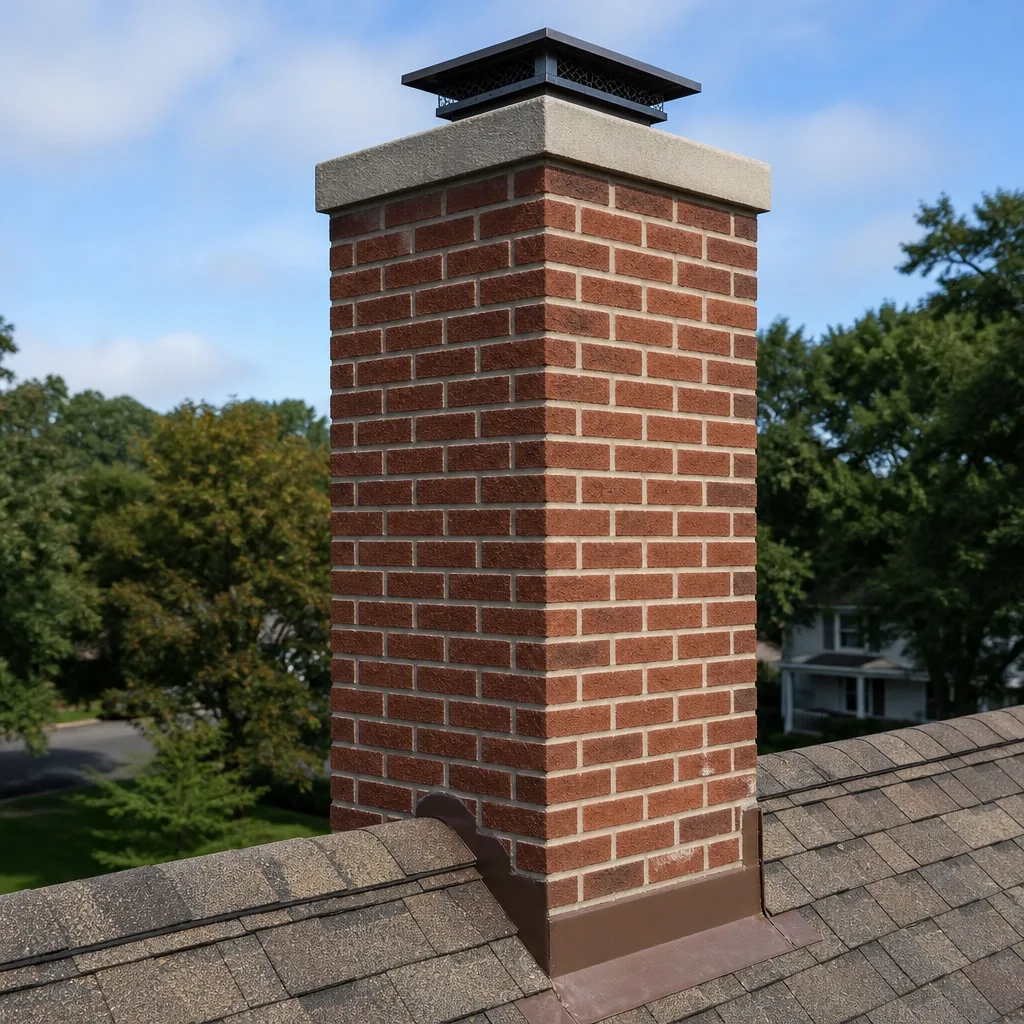 Masonry repair
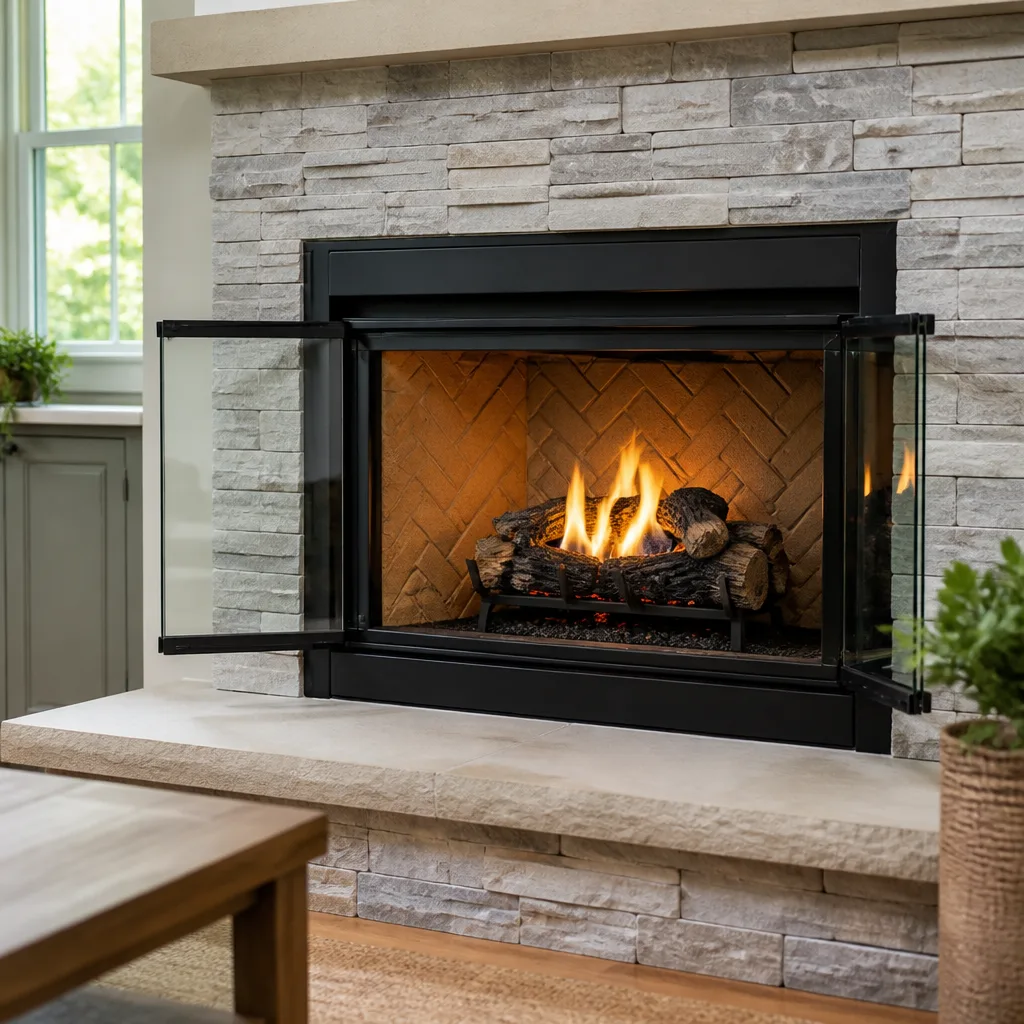 Gas fireplace service
Level 1 sweep and inspection to the NFPA 211 annual standard - flue, crown, cap, and flashing checked and photographed
Chimney sweep logs do not sweep chimneys. They loosen some creosote - which then falls where a brush and vacuum still have to collect it.
How to Hire a Chimney Cleaning Contractor in Berkeley: A Step-by-Step Guide
Here’s a counterintuitive fact about Berkeley’s chimney service market: the most dangerous contractor you can hire isn’t the one who does bad work. It’s the one who does fine work up front, then uses the sweep as a delivery mechanism for a $12,000 liner replacement quote you can’t verify. In a city with hundreds of older homes built between 1900 and 1960, chimney work is genuinely needed more often than not, but the gap between what’s needed and what gets sold can be wide. This guide walks through exactly how to hire a chimney cleaning contractor in Berkeley who gives you an honest assessment, uses materials worth paying for, and doesn’t treat a routine sweep like a sales call. You’ll learn the screening questions that matter, the certification alphabet worth knowing, and the red flags that show up before any work begins.
Quick Answer
Hiring a chimney cleaning contractor in Berkeley starts with three non-negotiables: confirm an independent certification (CSIA or NFI) and verify it directly, request a written estimate that specifies scope, materials, and inspection level before any work begins, and check complaint history through CSLB and BBB for Alameda County. Expect to pay $180 – $320 for a standard Level 1 sweep and inspection in the Berkeley area. If someone’s bid falls far below that range, you’re likely being brought in for an upsell rather than a cleaning.
Styles & brands we work with
- Sweep & inspection
- Caps & crowns
- Flue relining
- Masonry repair
- Gas fireplace service
Table of Contents
- The Licensing Gap Nobody Tells You About
- What Berkeley Homes Actually Need: Climate and Construction Realities
- The Certifications That Matter (And How to Verify Them)
- Seven Interview Questions Every Contractor Should Answer Well
- The Low-Bid Problem: How Diagnostic Upselling Works
- What a Written Estimate Must Contain
- How to Check Complaint History in Alameda County
- Common Mistakes to Avoid
- When to Call a Professional
- Frequently Asked Questions
The Licensing Gap Nobody Tells You About
California doesn’t have a specific state license for chimney sweeps. A person with a general contractor’s license, a handyman exemption, or nothing at all can legally advertise chimney cleaning in Berkeley. This surprises most homeowners. They assume anyone with a van and a logo has passed some kind of state exam. They haven’t, because there isn’t one.
What this means practically: a CSIA-certified sweep and someone with a shop vac and a brush from a hardware store can both call themselves chimney cleaners in California. The difference shows up when the inspection starts. A certified sweep follows a defined inspection protocol aligned with NFPA 211 standards. They photograph what they find. They can tell you whether the flue liner is serviceable, the clearance to combustibles is safe, and the cap and damper are functioning. A guy with a shop vac can tell you whether the flue looks dirty.
Berkeley’s housing stock compounds the risk here. Many homes still have original clay tile liners from before 1960. Clay liners crack over time, especially with the temperature swings common in the East Bay. When someone with no inspection training opens a flue with cracked tiles and sells you a “premium sweep” without mentioning the structural issue, they’ve left you with a fire hazard you now think is clean. The work looked thorough. It wasn’t diagnostic.
This is the core problem with the Berkeley chimney market: you’re not just hiring for cleaning. You’re hiring for the judgment that comes with it. Whether that judgment is present depends entirely on who you call, and the licensing system won’t filter for you. The filtering is yours to do.
What Berkeley Homes Actually Need: Climate and Construction Realities
Berkeley has a marine-influenced climate that sounds gentle but isn’t, at least not on chimneys. Summer mornings bring fog that condenses on exposed masonry surfaces. Winter brings rain. Masonry absorbs moisture, and when nights dip toward freezing in the Berkeley Hills during cold snaps, trapped water expands inside bricks and mortar. It’s slow erosion, and over decades it eats at mortar joints and cap crowns.
The result is a set of chimney problems that show up in Berkeley homes more reliably than in most California cities: spalling brick faces on the exterior chimney chase, deteriorated crown mortar, water-stained ceilings near the firebox, and flue tile degradation accelerated by condensation. Wood-burning fireplaces also operate differently here. Berkeley’s mild evenings mean softwood fires are often burned low and slow, which produces more creosote per cord than the hot, fast fires common in colder climates. Local oak and eucalyptus firewood, both available throughout the East Bay, produce acidic, dense creosote that builds a sticky second-stage glaze quickly.
Gas inserts and gas fireplaces are common in Berkeley homes too, and they pose a different risk profile. A gas fireplace doesn’t need sweeping the way a wood-burning one does, but its venting system still needs inspection. Loose vent connections, blocked terminations, and rusted caps are quiet problems. Carbon monoxide doesn’t announce itself. A Level 1 inspection during a routine sweep is when those problems get found.
For homes in the Berkeley Hills and North Berkeley’s older districts, flue tile cracks are the most common structural finding we see. Heat cycling over decades, poor crown drainage, and the region’s history of mortar quality variability all contribute. The point isn’t that every old Berkeley chimney is failing. It’s that you want someone looking who can recognize when one is. The Chimney Sweep in Berkeley service we offer starts with exactly that kind of inspection, not just the brushing.
The Certifications That Matter (And How to Verify Them)
If you’re hiring a chimney professional in Berkeley, two certifications matter: CSIA and NFI. Everything else is either supplementary or marketing.
CSIA stands for Chimney Safety Institute of America. It’s the most recognized certification in the chimney and venting industry. To earn it, a candidate passes an exam covering inspection protocols, clearances, venting systems, and fire safety. The certification isn’t permanent; it requires continuing education to maintain. A contractor who mentions CSIA should be able to show you a certificate number, and you can verify it directly on the CSIA website’s find-a-pro tool. Don’t take their word. Verification takes two minutes.
NFI stands for National Fireplace Institute. It offers role-specific certifications: NFI Woodburning Specialist, NFI Gas Specialist, NFI Pellet Specialist. The NFI gas certification matters in Berkeley because so many homes have gas inserts and gas fireplaces. A company that’s CSIA-certified but has no NFI gas credential may be solid on sweeping but weak on gas venting inspection. That’s not a dealbreaker for every job, but it’s a question worth asking if you have a gas unit.
Here’s a step-by-step verification process that takes five minutes and eliminates the most common contractor fiction:
- Ask for the certification type and certificate number. Write both down.
- Go to the CSIA or NFI website and use their public search tools. Enter the number, not just the person’s name. Names get spelled wrong accidentally and deliberately.
- Check that the certification is current, not lapsed. Both organizations publish status.
- Note whether the certified person is the one who will actually do the work. Certifications don’t transfer to a cousin who rides along.
- If the contractor says “we’re certified” but won’t give you a number, treat it as a no.
The brands a company uses are a secondary signal of professional seriousness. We work with DuraFlex and Olympia Chimney for liner and termination components because they’re brands recognized across the industry for consistent manufacturing tolerances. A contractor who can tell you which brands they use and why is one who thinks about materials, not just labor. A contractor who says “whatever the supply house has” is one who doesn’t.
Seven Interview Questions Every Contractor Should Answer Well
The best screen isn’t a background check. It’s a conversation. Ask these seven questions in the initial call or before booking. What you’re listening for isn’t just the answer. It’s whether the answer comes with specifics or with reassurance.
- “What level of inspection is included in your sweep?” A knowledgeable answer references Level 1, Level 2, and Level 3, as defined by NFPA 211. Level 1 is visual inspection of accessible portions of the chimney. Level 2 adds video scanning and is recommended when a home changes ownership or the heating system changes. Level 3 is invasive, required when a structural problem is suspected. A contractor who says “we inspect everything” without knowing the levels is a contractor who hasn’t trained. The answer to this question predicts the quality of the entire visit.
- “Will I see photos of what you find?” In our experience, a contractor who photographs findings and shows them to you is rare enough to be remarkable. Most sweeps report verbally, and the homeowner writes a check based on nothing but charisma. Insist on photos. A camera inspection with a photo report should be a standard part of any Berkeley chimney sweep, especially for older homes with clay tile liners.
- “What brands do you use for repairs and replacements?” There are real differences between material grades. DuraFlex flexible liner systems, for example, are made to conform to flue configurations with offsets and turns that rigid pipe can’t handle. Olympia Chimney manufactures caps and dampers that solve fitment problems on older masonry chimneys. HeatShield is a specialized resurfacing system that restores deteriorated flue interiors without full liner replacement. A contractor who names brands unprompted is working with professional-grade sourcing. A contractor who says “we use top-quality materials” without naming them is buying retail.
- “Do you do dryer vent cleaning too?” The Dryer Vent Cleaning in Berkeley service we offer alongside chimney sweeping exists for a reason: lint-clogged dryer vents are a leading cause of household fires nationwide, according to NFPA reporting, and nearly every Berkeley home with a laundry room has a vent that’s never been cleaned. A chimney contractor who also handles dryer vents is looking at total home fire safety. One who doesn’t isn’t wrong, but you’ll have to coordinate two contractors instead of one.
- “How do you determine whether my chimney needs a new liner?” Dangerous answer: “We can usually tell from the roof.” Professional answer: “Video scan of the flue, then we can show you the footage.” A chimney liner is only replaceable when you can see the condition of the existing one, and seeing means a camera, not a flashlight. In Berkeley, where original clay tile liners are common, this question separates structural diagnosticians from sweep-and-scare operators.
- “Do you handle structural repair yourself, or sub it out?” If the company can’t repair what it finds, every inspection is a handoff to a third party. The economics of that model reward finding problems, because someone else pays the company nothing for the fix but the homeowner still has to call around. We do Chimney Repair in Berkeley directly, which means the person who finds a problem is the person who quotes it and the person who fixes it. That’s a simpler chain of responsibility for the homeowner.
- “What’s your process if you find something serious during the sweep?” Watch how comfortable they are talking about this. A good contractor describes showing you the issue, explaining the repair options including the “wait and see” option when one exists, and giving you a written estimate. A bad one describes urgency and a discount valid only today. The hard sell is a diagnostic tell. It means the company’s margin depends on converting sweeps into repairs, not on doing sweeps well.
The Low-Bid Problem: How Diagnostic Upselling Works
When you see a chimney sweep advertised in Berkeley for $79 or $99, someone is losing money on that job, and it’s not the contractor who plans to make it back. The model is called diagnostic upselling, and it’s standard practice among the lowest-bid operators.
Here’s how it plays out. A company books 10 sweeps a day at $89, providing a basic brushing and a quick look. Eight of those sweeps find “significant issues” requiring repair quotes, averaging $3,000. The math works. The company loses $60 on each sweep after fuel and labor, but makes $1,900 in margin on the average repair. This is a sales funnel disguised as a service, and the low bid is the hook.
How to identify it before you’ve paid anything:
- The bid doesn’t include an inspection level. $89 gets you brushing. Inspection costs extra. Inspection is the part that matters.
- The company advertises heavily with “deals” and “coupons” for chimney work. Legitimate specialists run a business on recurring sweeps and genuine repairs, not on coupon traffic.
- Online reviews mention high-pressure sales after routine visits. Search for the word “scare” or “pressure” in their reviews. Berkeley-specific review patterns are visible on Yelp and Google.
- The quote you get on the phone shifts to “we’ll see when we’re there.” A professional gives a defined price for a defined service. A sales organization keeps it vague so the upsell happens in person, when you’re already committed.
There’s a simpler test. Ask: “What does the sweep cost, and is the inspection included in that price?” If the sweep is under $150 in Berkeley, and inspection is extra, and they don’t mention brands or certification, the whole thing is likely a loss leader. You’ll get your chimney brushed. You’ll also get a proposal.
We don’t run diagnostic-upsell business. The sweep price includes a Level 1 inspection and photo documentation, and if a repair is genuinely needed, we show you the camera footage and let you decide. If the chimney is fine, we tell you it’s fine. You won’t hear a pitch we wouldn’t give to our own family, because the businesses that stay in Berkeley for a decade are the ones homeowners actually trust with repeat sweeps.
What a Written Estimate Must Contain
A written estimate is either a defined scope of work or a permission slip for surprises. The difference is in the details it commits to. Here’s what a Berkeley chimney estimate should contain if it’s going to be useful:
- Scope of work. Exactly what will be done: sweeping, Level 1 or Level 2 inspection, cap inspection, damper inspection, and any repairs quoted separately. If the scope says “clean chimney” and nothing else, you haven’t been quoted. You’ve been given a slogan.
- Materials specified by brand and model. A repair quote that says “install new liner” without specifying the liner type and manufacturer gives the contractor the freedom to choose the cheapest available. We specify brand and line, whether it’s a DuraFlex flexible liner for a tricky flue configuration or an Olympia Chimney cap matched to the flue tile dimensions. You should know what product your money is buying before you spend it.
- Inspection level and method. “Video scan included” or “Level 1 visual only.” If the estimate doesn’t say how the diagnosis was made, the diagnosis isn’t documented. Photos and footage should be part of the estimate package for any repair recommendation.
- Exclusions. Every honest estimate has them. Masonry repair not included. Rooftop access limitations. Permit fees not included where applicable. The contractor who lists exclusions is giving you real boundaries. The one who doesn’t is betting you won’t notice when the final invoice exceeds the estimate.
- Line items, not a single number. Sweep labor, inspection labor, materials, and any separate repair should be distinguishable. A single number invites bundling. You can’t compare quotes if you can’t see what’s in them.
A useful estimate in Berkeley also tells you what can wait. Not every cracked crown is an emergency, and not every Level 2 recommendation means your house is days from a fire. A contractor who tells you the repair can wait six months has already earned your future business. We find that homeowners remember honesty about timing longer than they remember a low price.
How to Check Complaint History in Alameda County
Two public tools cover most of what you need to know about a Berkeley chimney contractor’s history: CSLB and BBB. Both take minutes, and both matter.
CSLB (Contractors State License Board) regulates contractors in California. If a contractor holds a license, you can look up the number on the CSLB website and check for active complaints, license suspensions, and bond status. If a contractor doesn’t hold a license, that’s itself information. Sweeps operating purely under the handyman exemption may be legitimate for small jobs, but you have fewer protections if work goes wrong. For any structural repair on a chimney, a contractor’s license should be non-negotiable in California. Unlicensed operators can’t legally do work over $500, and enforcement is mostly complaint-driven, meaning the complaints usually come after something bad already happened.
BBB (Better Business Bureau) operates a database covering accredited and non-accredited businesses. BBB ratings respond to complaint volume, response rate, and resolution history. A clean BBB profile isn’t a guarantee of quality. A pattern of unresolved complaints is a meaningful warning. Look for complaints that mention the same issues: high-pressure sales after a sweep, work done without written authorization, repair quotes that doubled after the work began. A single complaint is noise. Three with the same shape are a pattern.
For Berkeley and Alameda County specifically, the Bay Area’s contractor ecosystem is dense, and word travels. Neighborhood forums, Berkeley Parents Network threads, and Nextdoor discussions in the Berkeley Hills and Elmwood often carry contractor feedback that never reaches formal review sites. Search the contractor’s name plus “Berkeley” and read what comes up. Local reputation for chimney work is specific: responsiveness matters, but it matters less than honest inspection findings and standing behind repair work.
One more verification: ask the contractor for a current certificate of insurance. General liability and workers’ compensation should both be active. If they can’t produce it, don’t let them work on your roof. A ladder falls, and the difference between having insurance and not having it is the difference between a claim and a lawsuit that names you.
What the Certifications and Records Look Like in Practice
Think of it as a stack. Certification tells you the person was trained. Insurance tells you you’re protected if something breaks. CSLB tells you the business is licensed and bonded where required. BBB tells you how they’ve treated other customers. Berkeley tells you what the neighbors say. No single layer proves quality. The stack does. When a contractor resists any part of this verification, ask yourself why a legitimate business would object to showing what a legitimate business should be proud to show.
Common Mistakes to Avoid
- Hiring the first company that appears in Google. Paid ads and SEO don’t track certification quality. A high Google ranking means someone is good at marketing, not that their sweeps are thorough or their repairs honest. In Berkeley’s competitive market, the top organic slot and the best contractor are different questions.
- Confusing a handyman quote with a chimney inspection. A handyman with a brush can make a flue look cleaner. He can’t assess liner condition, check clearance to combustibles, or spot hidden creosote accumulation in offset flues. Berkeley homes with original clay liners need an inspection, not just a brushing.
- Accepting a verbal quote and skipping the written estimate. Verbal quotes aren’t binding, and memory is elastic. A written estimate with defined scope and materials protects you. It also gives you comparison material for additional quotes, which is where you learn what’s competitive and what’s fantastical.
- Buying the “your chimney will catch fire tonight” pitch. Urgency is a sales tactic. A legitimate finding comes with evidence, explained calmly, with options. If someone scares you instead of showing you, they’re selling something other than the truth. Get a second opinion.
- Skipping the dryer vent because it’s “not the chimney.” The Chimney Sweep Berkeley home service includes dryer vent cleaning on request because lint fires are a documented risk in older Berkeley homes with long vent runs. Two birds, one appointment.
- Assuming ceramic tile liners last forever. Clay tiles crack, especially in coastal climates with seasonal moisture and the temperature swings Berkeley’s marine layer creates. If nobody’s looked inside your flue in a decade, you don’t know the condition. The cost of finding out is a few hundred dollars. The cost of not finding out can be structural renovation or worse.
- Hiring a contractor who can’t show you the problem. If the repair recommendation doesn’t come with photo or video evidence, you’re being asked to trust a story. Never authorize a repair you haven’t seen documented. In our experience, camera footage changes the conversation from persuasion to evidence, which is where honest work belongs.
When to Call a Professional
You should call a chimney professional in Berkeley when any of these situations apply: you’ve burned more than a cord of wood since the last sweep, you notice a burned smell in the house even when the fireplace is cold, smoke backs into the room during use, your energy bills suggest draft problems, mortar pieces collect in the firebox, or water stains appear on the ceiling near the chimney. You should also schedule a Level 2 inspection before buying or selling a home, after any earthquake (Berkeley sits on the Hayward Fault, and even small temblors shift chimney masonry), and after any chimney fire, no matter how minor it seemed. Chimney Sweep Berkeley offers free estimates in Berkeley, call (855) 382-9432 to schedule a sweep or discuss what you’re seeing.
Frequently Asked Questions
A professional chimney sweep in Berkeley typically costs between $180 and $320 for a standard Level 1 sweep and inspection, with the price varying based on chimney height, accessibility, and current condition. A Level 2 inspection with video scanning adds $100 to $200. If you’re quoted significantly less than this range, clarify whether inspection is included, or you may be getting a brushing with an upsell attached. Call (855) 382-9432 for a free estimate and a defined price before any work begins.
The NFPA recommends annual inspection of all chimneys, with sweeping when creosote accumulation reaches 1/8 inch or more. For Berkeley homes that burn wood regularly through the mild November-to-March season, an annual sweep is the right rhythm. Gas fireplaces need less sweeping but still benefit from an annual inspection of the venting system for rust, blockages, and carbon monoxide risk. Homes in the Berkeley Hills that burn oak or eucalyptus, both dense creosote producers, may need a sweep more often if they burn frequently.
Only if video inspection shows the existing liner has deteriorated beyond service. Not every cracked flue tile requires full liner replacement. HeatShield resurfacing, a product we work with regularly, can restore a deteriorating flue liner without the cost and disruption of a full replacement. The right answer depends on what the camera shows. If a contractor recommends a new liner without showing you footage, get a second opinion before spending thousands.
Creosote builds up inside the flue with every wood fire. It’s combustible, and at sufficient thickness (approximately 1/4 inch or more), a hot fire can ignite it. Chimney fires burn silently and hot enough to crack flue tiles, damage masonry, and in the worst cases spread to the home’s framing. Skipping a cleaning also means skipping the annual inspection, which means missing liner cracks, water intrusion, and venting failures that become more expensive the longer they go unnoticed. A $250 sweep once a year is the cheapest maintenance available for a wood-burning fireplace. Call (855) 382-9432 to schedule in Berkeley and get it done before the burning season.
Yes, and you should ask. Dryer vent cleaning addresses the lint accumulation that causes thousands of house fires annually in the US, according to NFPA data. We offer dryer vent cleaning as a standalone service or as an add-on during a chimney sweep visit in Berkeley. The Dryer Vent Cleaning service handles both problems in one appointment, which means one scheduling call and one visit to the home.
You require photographic or video evidence of every repair recommendation. A professional sweep should document findings as a matter of course, and honest companies are glad to show you the footage. Then, if a repair is recommended, get a written estimate that names the materials by brand and the scope of work. Finally, if the recommendation is expensive, get a second opinion from another certified contractor. Two independent assessments that agree are a strong signal. One that relies on urgency and fear is a signal to walk away. The Chimney Repair service we provide always starts with documentation and options, not pressure.
The Bottom Line
Hiring a chimney cleaning contractor in Berkeley comes down to verification over trust. Verify certification directly. Require written estimates with defined scope and named materials. Insist on photo and video documentation of any repair recommendation. Check complaint history through CSLB and BBB. Ask the interview questions and listen for answers that sound like a trained professional, not a sales script. The right contractor tells you what they found, not what sells the biggest job. If you’re in Berkeley and want a sweep built on inspection, documentation, and professional-grade materials from brands like DuraFlex, HeatShield, and Olympia Chimney, call (855) 382-9432 for a free estimate. You’ll get a defined price, a clean chimney, and a report you can stand behind.
Written by the team at Chimney Sweep Berkeley, serving Berkeley since 2015.
See the difference
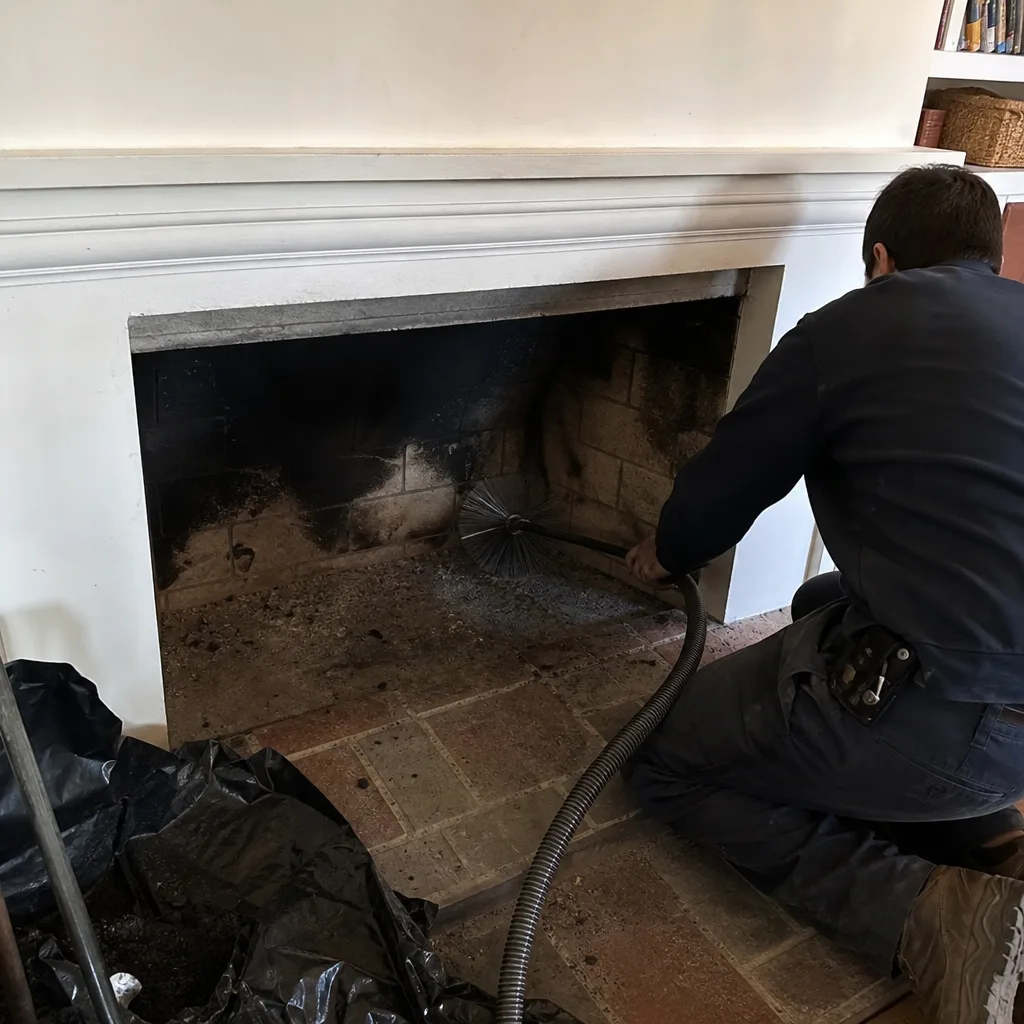 Before
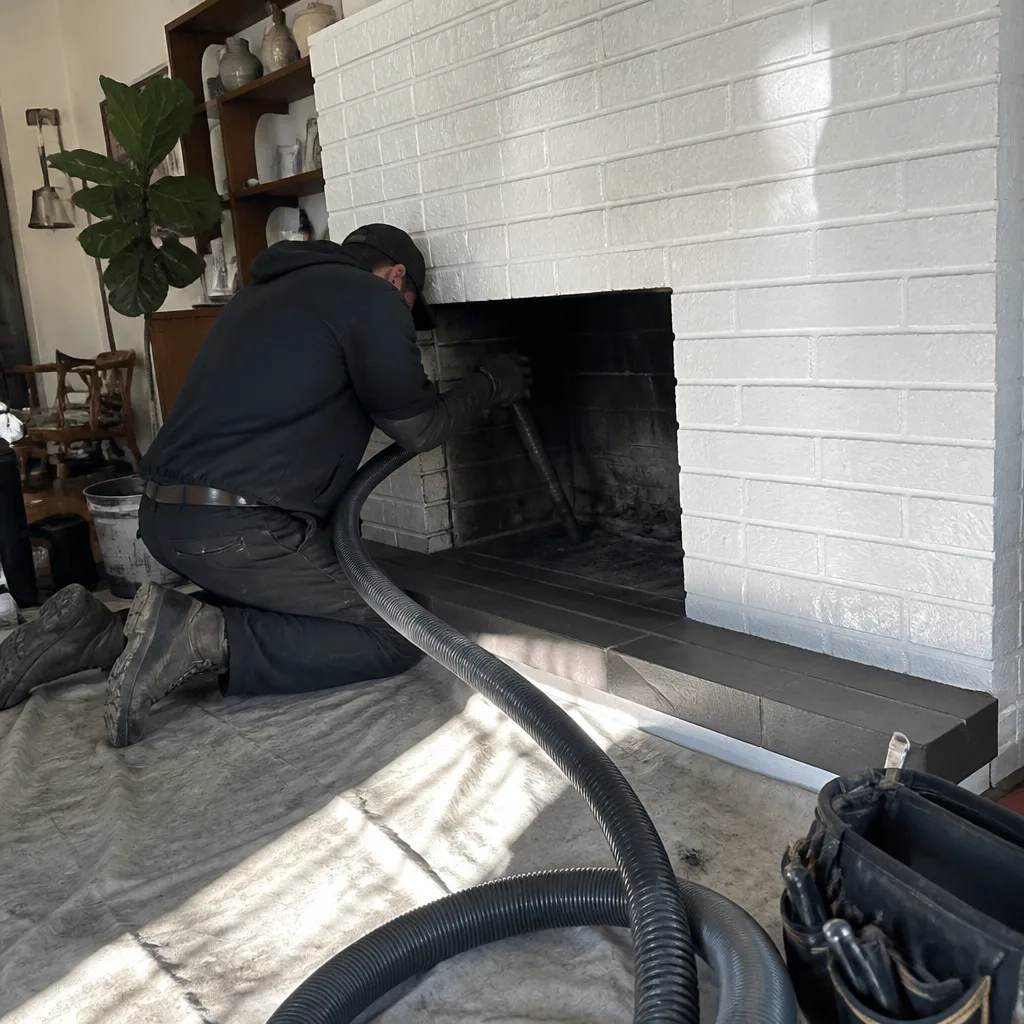 After
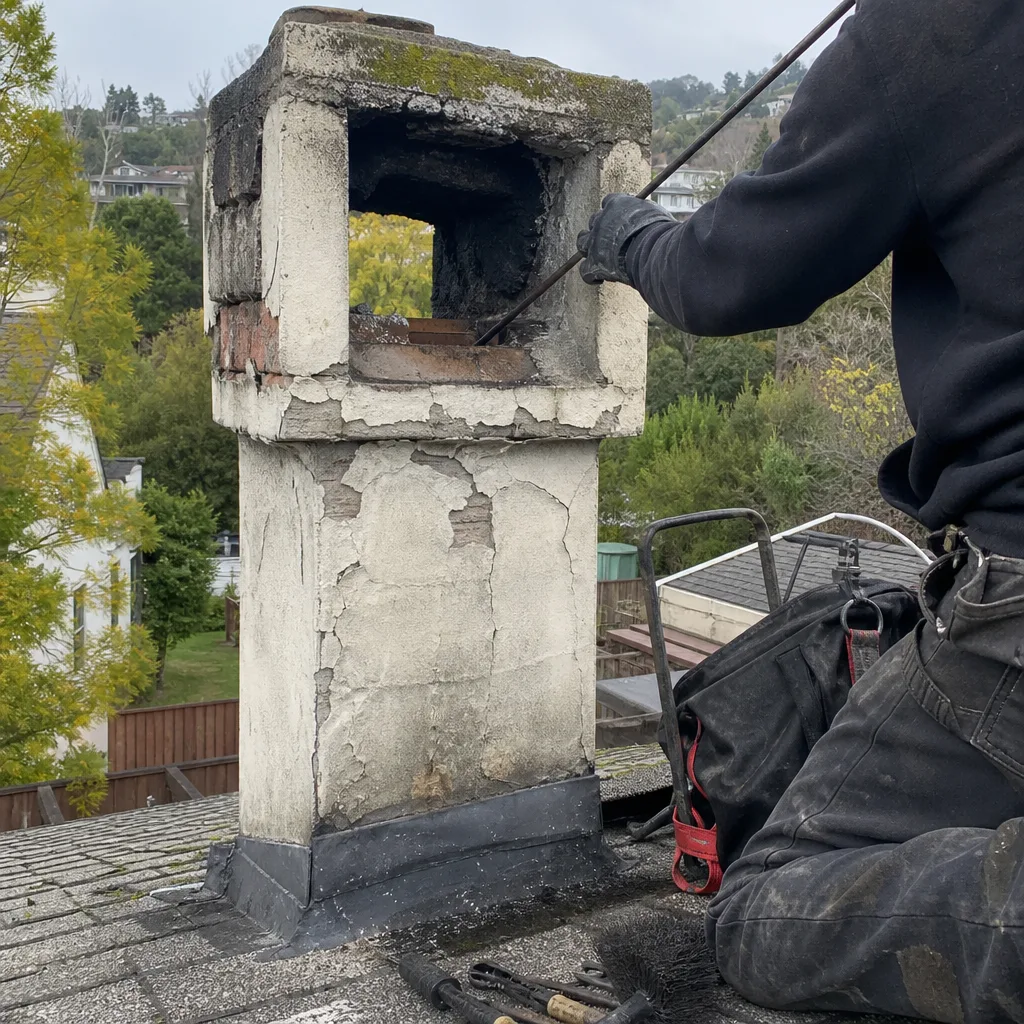 Before
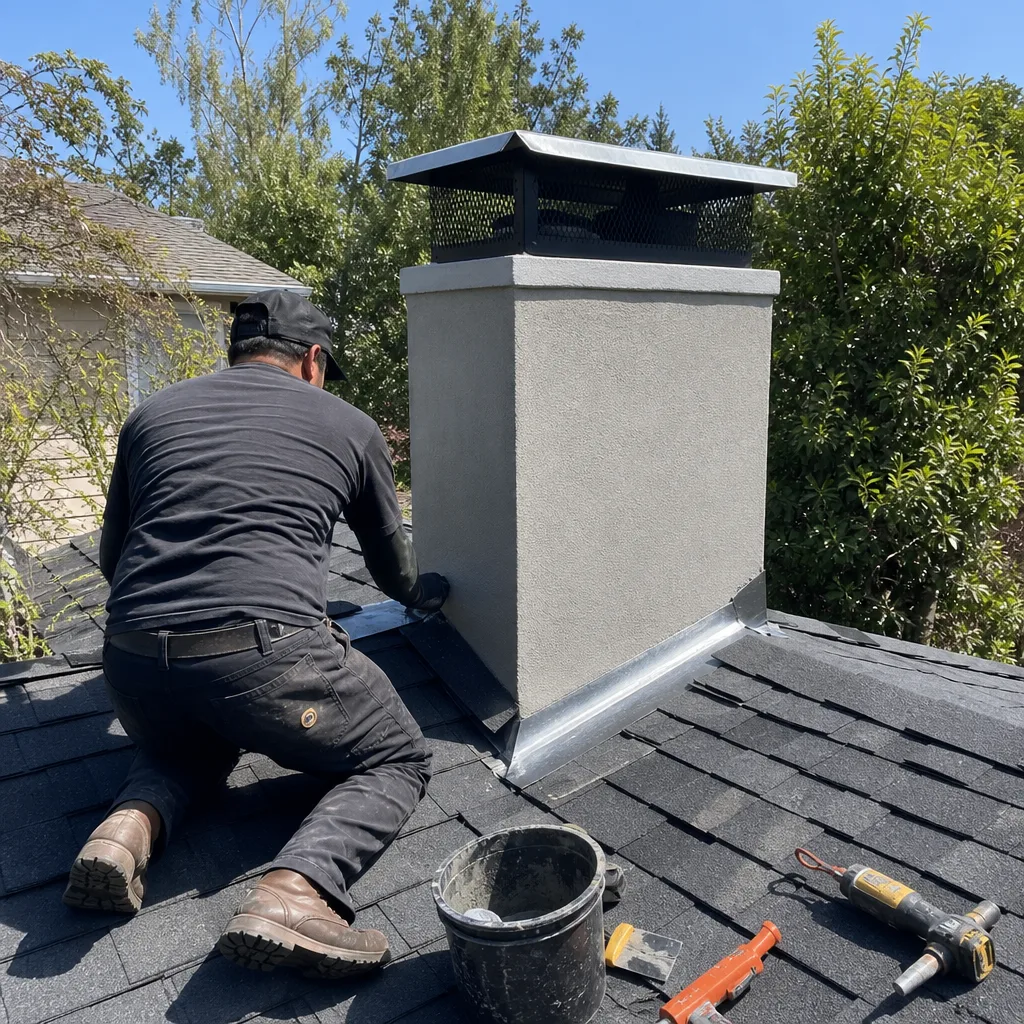 After
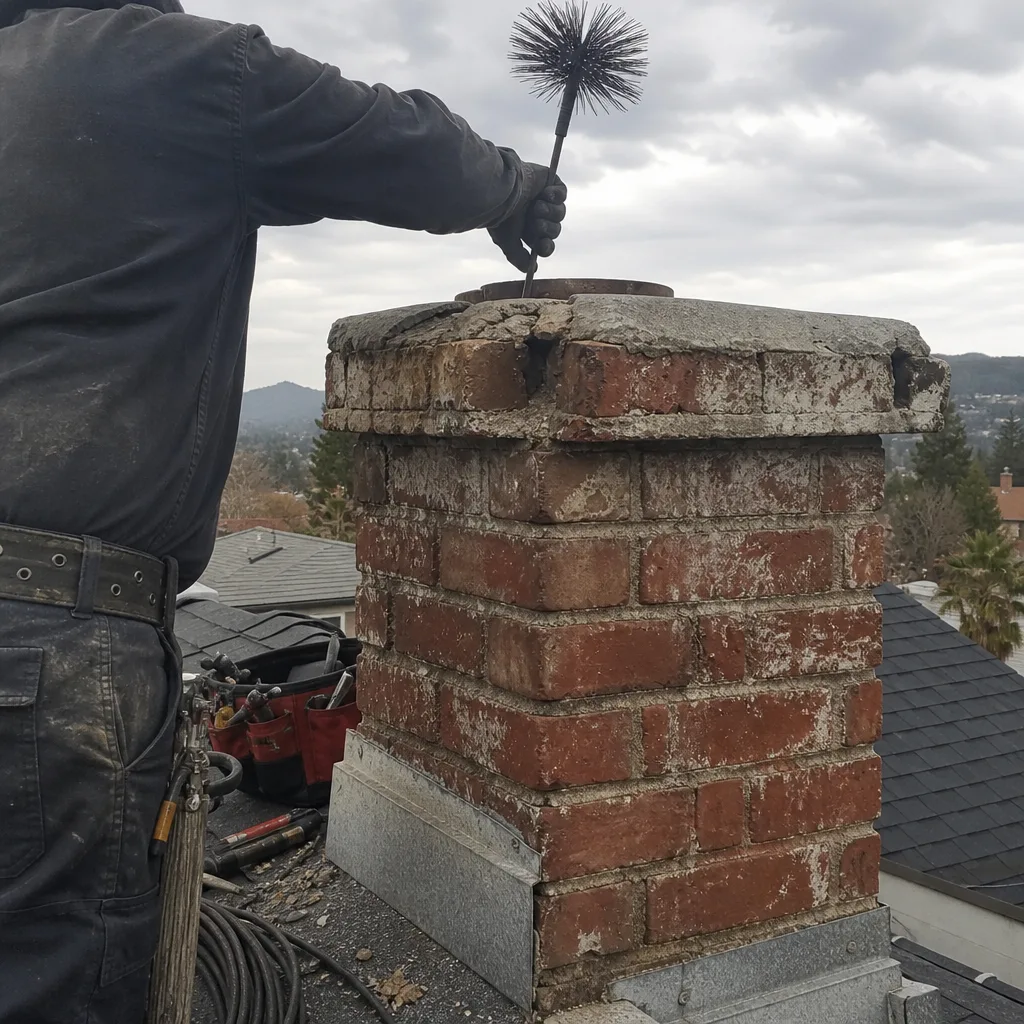 Before
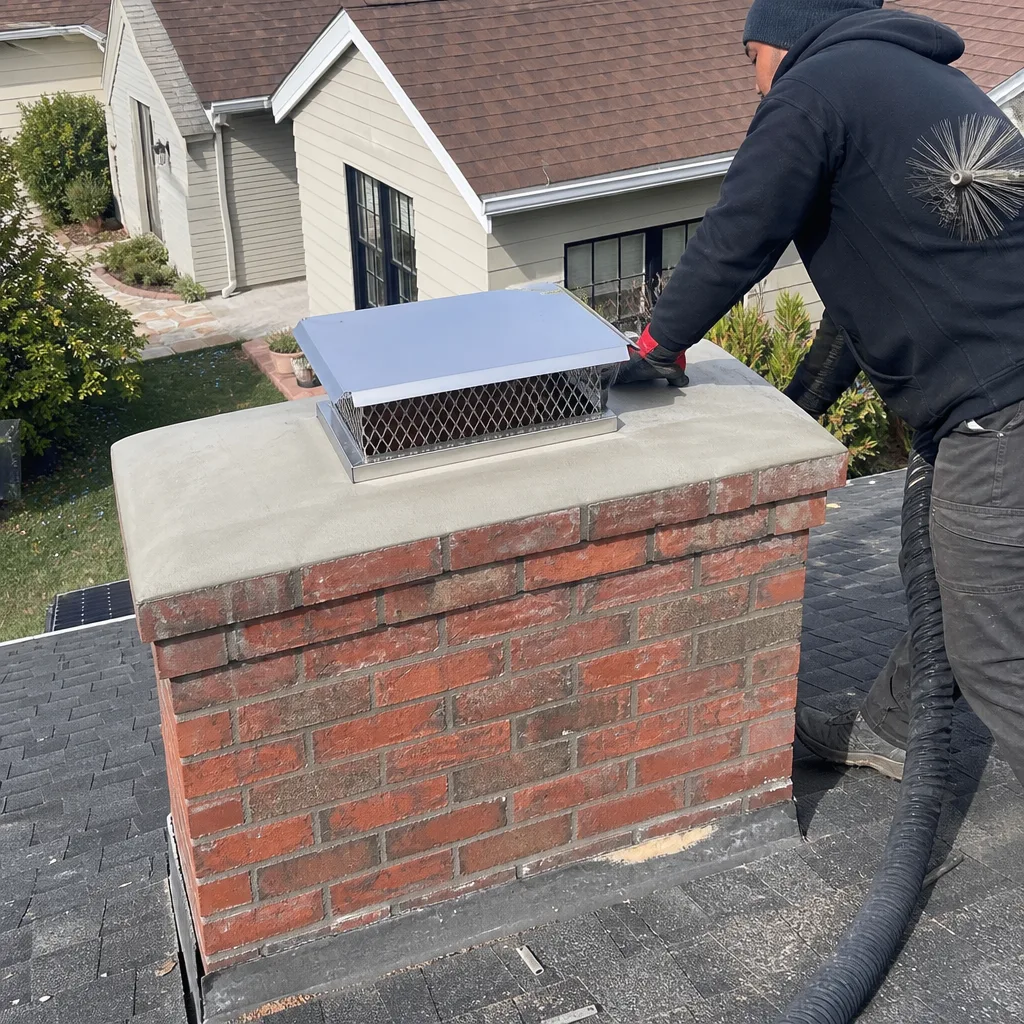 After