
Last updated November 3, 2026
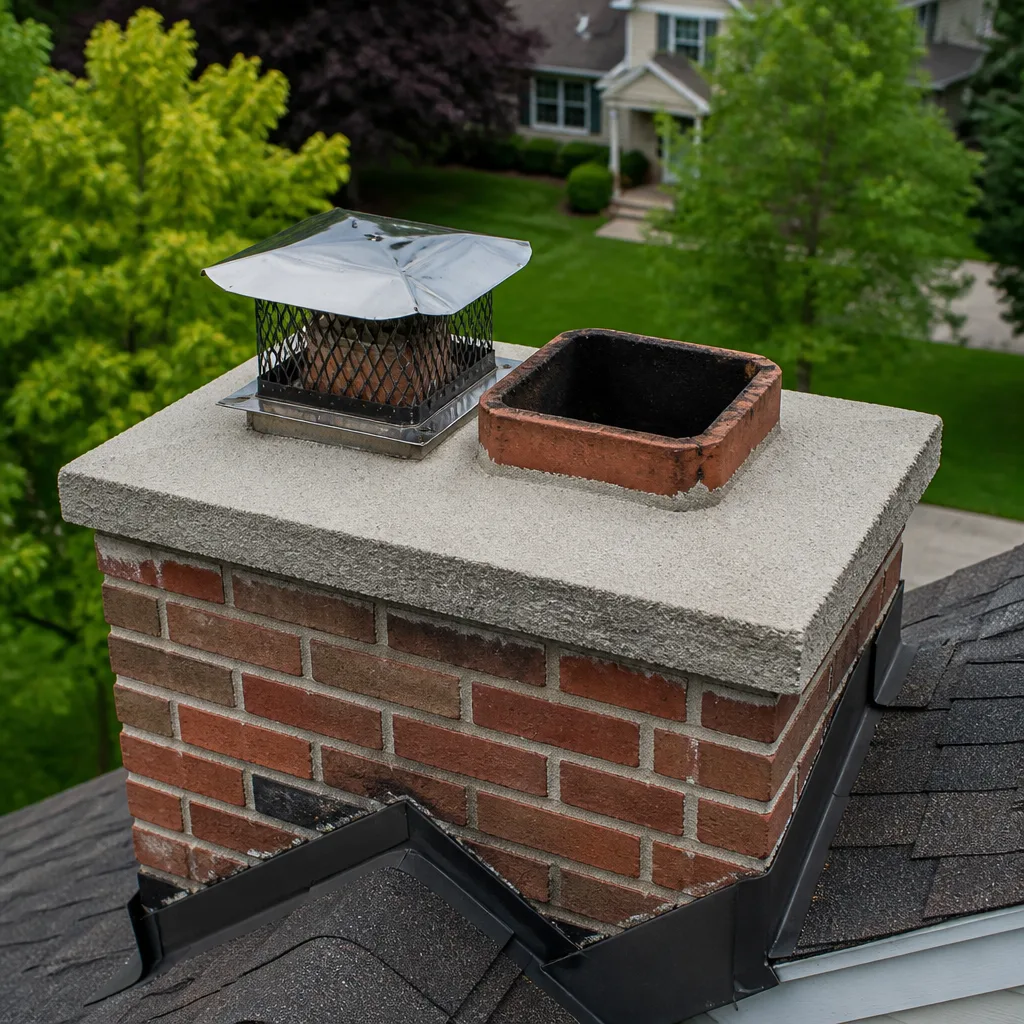 Sweep & inspection
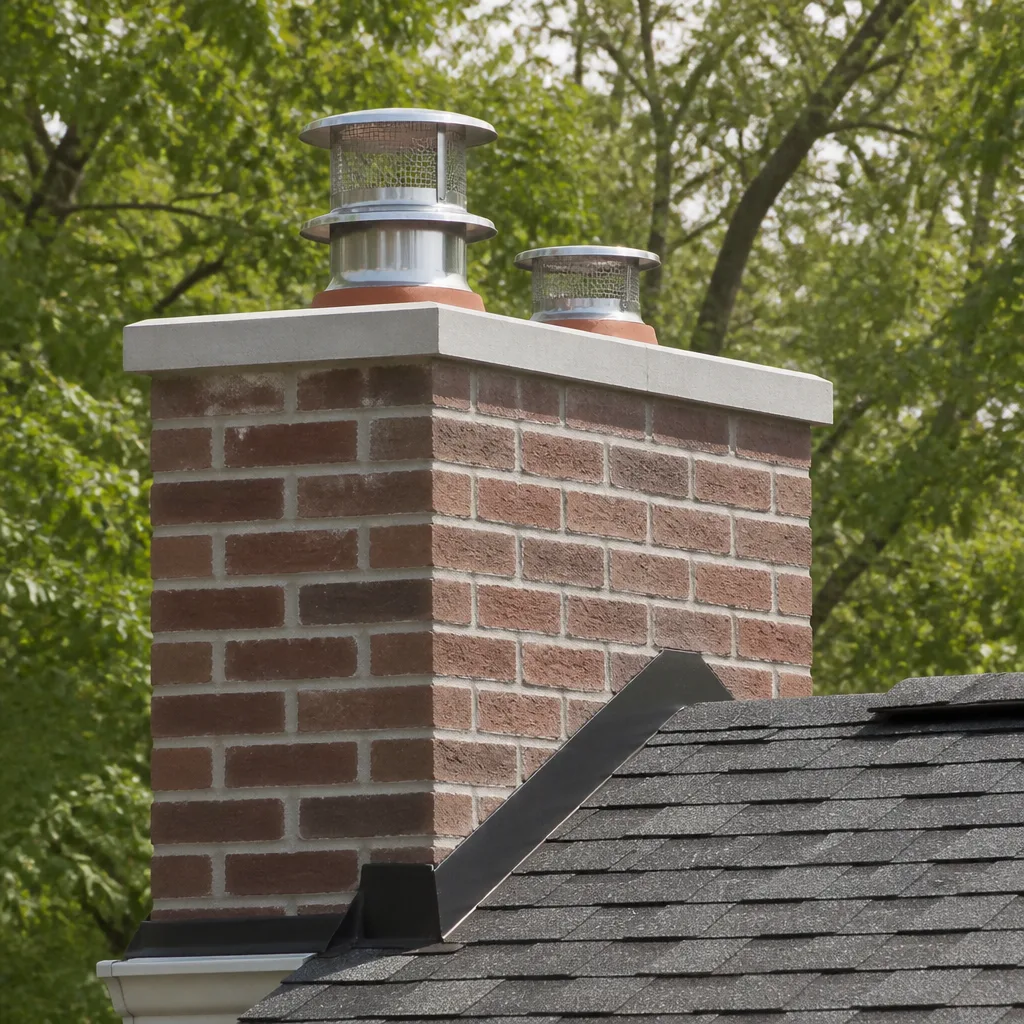 Caps & crowns
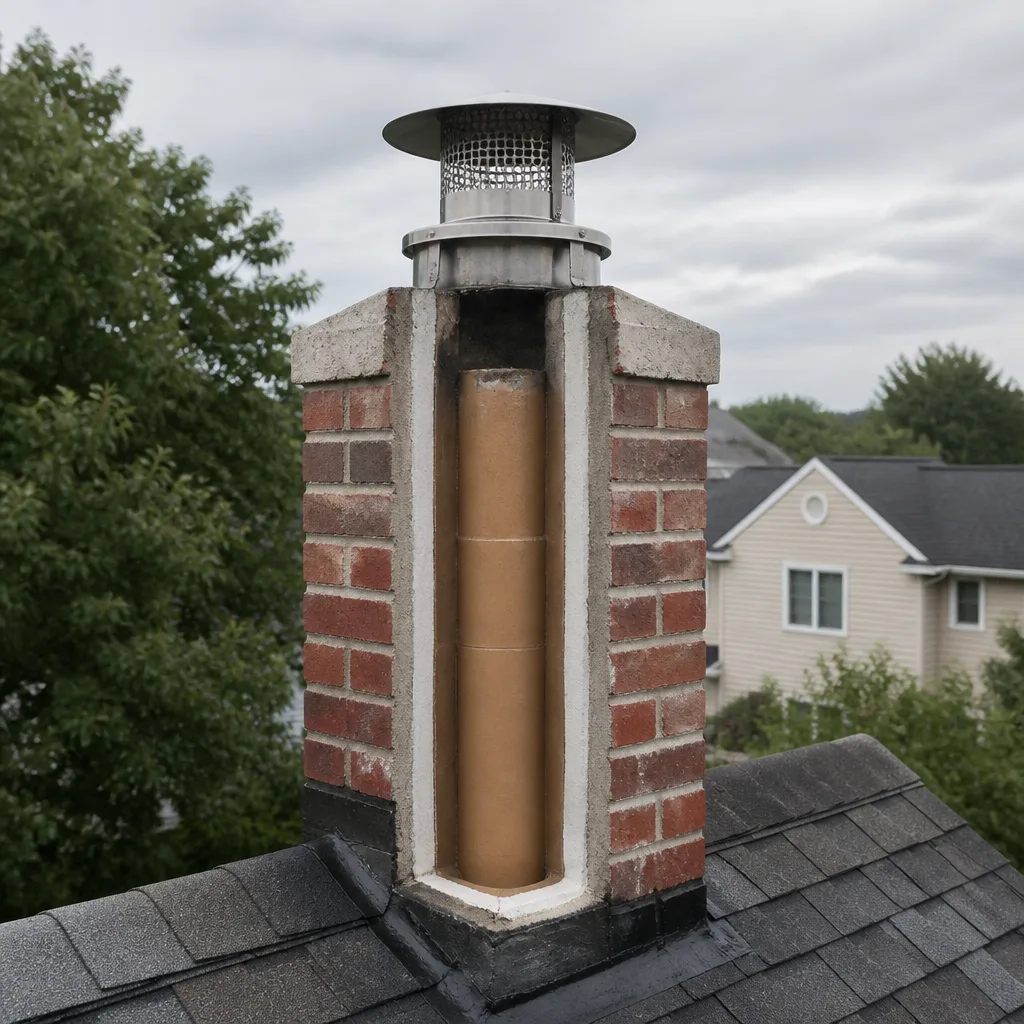 Flue relining
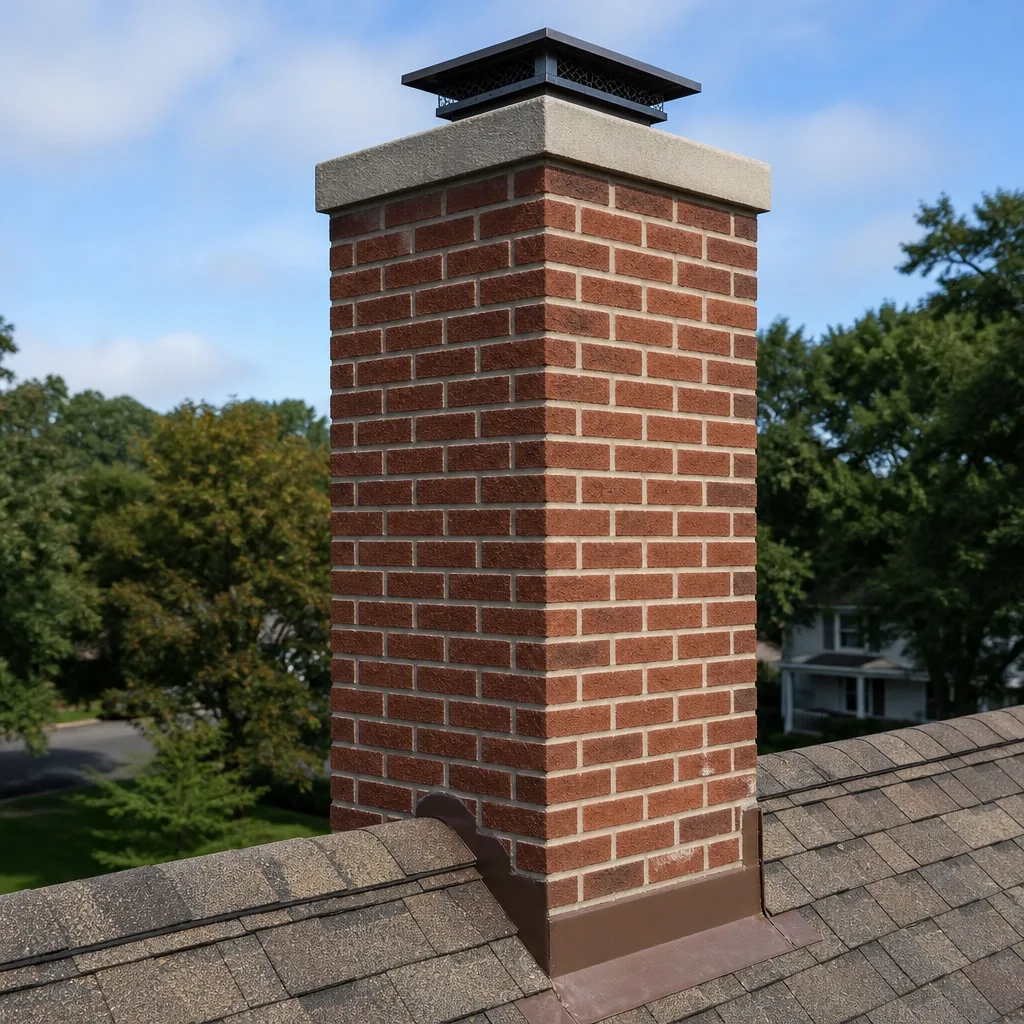 Masonry repair
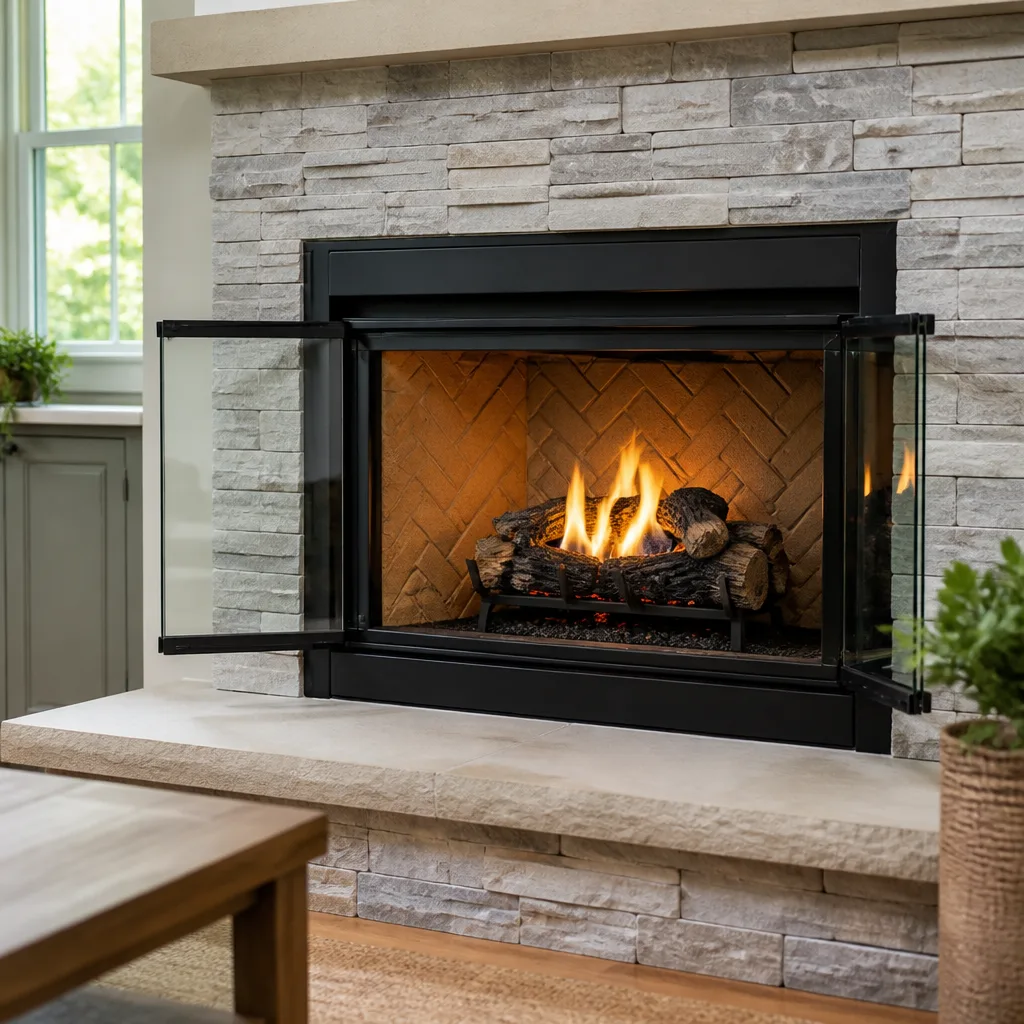 Gas fireplace service
Level 1 sweep and inspection to the NFPA 211 annual standard - flue, crown, cap, and flashing checked and photographed
Chimney sweep logs do not sweep chimneys. They loosen some creosote - which then falls where a brush and vacuum still have to collect it.
The Complete Chimney Sweep Guide for Berkeley Homeowners
Most chimney maintenance guides read like they were written for a house in Ohio. Flat terrain, cold winters, a fireplace that gets used five months straight. Berkeley is a different animal entirely. We have marine fog that keeps masonry damp nine months a year, clay-heavy soil that shifts foundations seasonally, and a housing stock where a meaningful percentage of fireplaces predate the 1971 Sylmar earthquake code revisions. Those conditions change what fails, how fast it fails, and what a sweep needs to look for. This guide walks through what Berkeley homeowners actually need to know: how often to sweep, what a real Chimney Sweep services appointment involves, what the marine layer does to creosote, and how to spot the difference between normal wear and damage that traces back to foundation movement.
Quick Answer
A chimney sweep in Berkeley typically costs $180 to $340 for a standard fireplace inspection and cleaning, and the National Fire Protection Association (NFPA 211) recommends an annual inspection regardless of how often you burn. For full details on what this involves locally, see The Complete Guide to Chimney Cleaning in Berkeley. In Berkeley specifically, homes with unlined pre-1960 chimneys or those located in the Berkeley Hills fire overlay zone should be swept at least once per year, often before the first fall fire. The inspection is the part that matters most: it catches cracked flue tiles, missing mortar joints, and water damage before any of them become a chimney fire or a carbon monoxide problem.
Styles & brands we work with
- Sweep & inspection
- Caps & crowns
- Flue relining
- Masonry repair
- Gas fireplace service
Table of Contents
- Why Berkeley’s Climate Is Harder on Chimneys Than You’d Think
- How Often Should You Sweep a Chimney in Berkeley?
- Pre-1960 Berkeley Fireplaces and the Missing Liner Problem
- Seismic Damage vs. Normal Wear: What a Sweep Actually Looks For
- The Berkeley Hills Fire Risk Overlay and What NFPA 211 Requires
- What a Full-Service Sweep Appointment Actually Involves, Step by Step
- When a Sweep Reveals Flue Damage: Repair Options Worth Knowing
- The Dryer Vent Connection: Why One Visit Makes Sense
Why Berkeley’s Climate Is Harder on Chimneys Than You’d Think
You might assume that living in a mild coastal climate means your chimney has an easy life. The opposite is true. Berkeley’s marine layer keeps ambient humidity high for most of the year, and that moisture finds its way into every porous masonry surface it touches. The bricks and mortar in your chimney absorb that damp air like a sponge, and when we get a wet winter followed by a dry, warm September, the masonry expands and contracts repeatedly. That cycle cracks mortar joints. It’s not dramatic. It’s slow. But over five or ten years, those hairline cracks become pathways for water, and water is the single most destructive force in any chimney system.
There’s a second, less obvious issue: creosote behaves differently in humid climates. When you burn wood, creosote condenses on the flue walls as a tar-like substance. In a dry inland climate like Sacramento or Concord, that creosote tends to stay in a flaky, brittle form that brushes off relatively easily. In Berkeley, the same creosote absorbs moisture from the marine air. It turns into a sticky, dense, glazed layer that’s harder to remove and, in its most concentrated form, burns at a much higher temperature when ignited. That means a Berkeley chimney that gets the same amount of use as an inland one often develops a more stubborn creosote problem in the same window of time. We see it regularly in the Elmwood and Thousand Oaks neighborhoods, where fireplaces get moderate seasonal use but still produce significant glaze buildup because of the humidity.
How Often Should You Sweep a Chimney in Berkeley?
The short answer: at least once a year, even if you only burn a dozen fires a season. The NFPA 211 standard, which is the one your insurance company will reference if there’s ever a claim, says chimneys should be inspected at least annually and cleaned when creosote reaches a depth that presents a hazard. For most Berkeley homes, that hazard threshold gets crossed within a single burning season. The marine layer does not reduce creosote formation; it changes how that creosote behaves, and in most cases it makes cleaning more essential, not less.
Here’s the calendar we recommend for Berkeley homeowners:
- September or October: Schedule your annual inspection and sweep. This is before the first serious fire of the season and before the rainy season arrives with chimney leaks that get worse all winter.
- Late January or February: If you burn regularly, this is the time for a mid-season check, especially if you notice any smoke backing into the room, a new odor, or soot falling into the firebox.
- Anytime you notice a change: A smell that wasn’t there before, water staining on the ceiling near the flue, or a fire that seems harder to start than it used to be all warrant a phone call. These are not things that self-resolve.
If you burn more than one cord of wood per winter, you’re a heavy user by Berkeley standards. You should be on a twice-yearly schedule. If you have a gas insert, the math is different: you still need an annual inspection, but the creosote concern mostly goes away and the focus shifts to venting, carbon monoxide clearance, and ensuring the gas log set hasn’t compromised the damper or flue. Our Chimney Sweep in Berkeley page has more detail on what we inspect for each fuel type.
Pre-1960 Berkeley Fireplaces and the Missing Liner Problem
Berkeley has one of the oldest housing stocks in the Bay Area. A large number of homes in central and north Berkeley were built between 1900 and 1955, and many of those fireplaces were constructed without a clay flue liner. Building codes at the time didn’t require one, and so the smoke traveled through an unlined brick or stone chimney. That was functional enough when the chimney was new, but brick and mortar degrade over decades of heating, cooling, and moisture exposure. Today, those unlined chimneys are a genuine safety issue.
When we inspect a pre-1960 Berkeley chimney, here’s what we’re specifically looking for:
- Gaps in the mortar joints between bricks. In an unlined chimney, these gaps are the direct passage from the fire to the wood framing in your walls. That’s how chimney fires spread to house fires.
- Spalling bricks. Years of moisture plus heat cause the brick face to flake off. Spalling means the structural integrity of the chimney is compromised.
- Smoke staining on the exterior. If you see dark stains on the outside of the chimney, that’s often a sign that smoke is escaping through the masonry rather than traveling up and out.
- Evidence of previous patch work. Old repairs can hide worse problems. We want to know what was done, when, and whether it’s holding.
If your chimney has no liner, the fix isn’t automatically a full rebuild. A flexible stainless steel liner, properly sized and insulated, can bring an unlined chimney up to modern safety standards without tearing the house apart. We work with DuraFlex liner systems for these installations because they bend cleanly through older flues that are rarely straight. More on that in the repair section below.
Seismic Damage vs. Normal Wear: What a Sweep Actually Looks For
Berkeley sits on the Hayward Fault. Everyone who lives here knows that on some level. What’s less obvious is that the same clay-heavy soil that expands and contracts with the rainy season also amplifies seismic movement. Your house may have weathered a hundred small quakes without visible damage, but a chimney is the most rigid vertical structure on the building. It doesn’t flex. When the ground moves, the chimney moves with the foundation, and if the foundation shifts even slightly, the chimney absorbs the stress.
Here’s the difference between seismic damage and ordinary aging, and why it matters:
- Crown cracking in a starburst pattern. A few hairline cracks around the flue opening are normal for a 40-year-old chimney. A crack that runs the full width of the crown, or multiple cracks radiating outward, often traces back to foundation movement.
- Stair-step cracks in the masonry. When you see cracks that follow the mortar joints in a stair-step pattern, that’s a structural red flag. Normal wear produces vertical hairline cracks. Foundation movement produces that stair-step geometry.
- Gaps where the chimney meets the roofline. If the chimney has pulled away from the flashing or you can see daylight through the gap, that’s settlement or seismic shift, not normal wear.
- Firebox cracks wider than 1/4 inch. Small firebox cracks are common. Wide ones that shift from season to season suggest something bigger is moving underneath.
The practical takeaway: if your chimney sweep finds masonry damage, don’t assume it’s just old age. In Berkeley, you should at least consider whether the foundation has shifted. A sweep with local experience can tell the difference, and that distinction matters for what kind of repair you ultimately need. Our Chimney Repair in Berkeley page goes deeper into how we diagnose structural issues.
The Berkeley Hills Fire Risk Overlay and What NFPA 211 Requires
Berkeley has a formal fire risk overlay zone. It covers most of the Berkeley Hills, the Claremont area, and significant portions of the neighborhoods above Tunnel Road and Grizzly Peak Boulevard. If you live in that zone, your home is subject to stricter defensible space and ember-resistance requirements, and your chimney is part of that equation. A chimney that isn’t properly capped or has a damaged spark arrestor can become an ember source during a wind-driven fire event.
NFPA 211 sets the baseline for chimney inspection and maintenance, but Berkeley’s overlay zone requirements treat chimneys as components of the home’s wildfire defense system, not just as a heating appliance. What that means practically:
- The spark arrestor is not optional. If you live in the fire overlay zone, your chimney cap must include a functioning spark arrestor screen. We check this on every inspection in the hills. A missing or rusted-out screen is the most common correction we recommend in fire-prone zones.
- Creosote becomes an ember risk in addition to a fire risk. In a wildfire scenario, exterior heat can ignite creosote inside the flue. A clean chimney is a less dangerous chimney when the hills are burning.
- Your insurance company may inspect before issuing or renewing a policy. A signed chimney inspection report from a qualified sweep is often what stands between you and a canceled or denied policy in the fire zone.
- Berkeley’s municipal code requires properly maintained chimney spark arrestors. This isn’t just an insurance concern; it’s a code compliance issue.
If you’re preparing a home for sale or purchase in the Berkeley Hills, having a professional chimney inspection report before the inspection contingencies begin is one of the smarter moves you can make. It gives you time to address issues without rushing, and it removes an unknown from a transaction where unknowns get expensive. The Chimney Sweep Berkeley home page has more on how we document inspections for buyers, sellers, and insurance renewals.
What a Full-Service Sweep Appointment Actually Involves, Step by Step
If you’ve never hired a chimney sweep, you might picture someone shoving a brush up the flue for ten minutes and calling it done – something we address in our DIY vs Professional Chimney Cleaning: The Berkeley Homeowner’s Decision Guide. That’s a half-job, and it’s not worth paying for. A real full-service sweep in Berkeley takes 45 to 90 minutes depending on the chimney’s condition and what the inspection reveals. Here’s the actual sequence we work through:
- Property walk-around (5 – 10 minutes). We start outside. We look at the crown, the cap, the flashing, the masonry surface, and the roofline clearance. A lot of problems declare themselves from the outside first: a sagging crown, a missing cap, vegetation growth in the masonry joints.
- Interior setup (10 minutes). We lay drop cloths in front of the firebox, set up our dust containment system, and confirm the damper is open. The goal is to leave the room cleaner than we found it, which is the standard most Berkeley homeowners expect and deserve.
- Firebox and damper inspection (10 minutes). We check the firebrick for cracking, the mortar joints for gaps, and the damper for smooth operation. A damper that’s rusted open is an energy loss all winter. A damper that’s stuck shut is a smoke problem every time you burn.
- Flue cleaning (15 – 30 minutes). Using brushes sized to your specific flue dimensions, we remove creosote from the smoke chamber up through the flue. For glazed creosote, we use rotary scraping tools that break up the hardened layer. This is the part where Berkeley’s humid climate makes our job harder, and it’s why cheap “brush-only” cleaning shortcuts leave glaze behind.
- Flue inspection (10 – 15 minutes). After cleaning, we run a camera inspection through the flue. The camera shows what we can’t see from either end: cracked tiles, missing mortar, liner perforation, partial blockages. This is the most important ten minutes of the appointment because it’s where hidden damage gets found.
- Report and walk-through (10 minutes). We show you the camera photos, explain what we found, and give you a clear recommendation. If everything is clean, we say so. If something needs repair, we show you the photo evidence and tell you whether it’s urgent or can wait.
The camera inspection is the part we want to emphasize, because it’s the primary difference between a sweep that gives you a bill and a sweep that gives you a real understanding of your chimney’s condition. If someone quotes you $99 and doesn’t include a camera inspection, you’re paying for a partial service.
When a Sweep Reveals Flue Damage: Repair Options Worth Knowing
Sometimes the sweep comes back clean and you’re done for the year. Sometimes the camera reveals something: cracked clay tiles, gaps in the mortar joints, a liner that’s been damaged by a past chimney fire. When that happens in Berkeley, you have options, and you should understand what they are before you sign off on a repair.
The discovery of flue damage does not automatically mean a full liner replacement. In many cases, a resurfacing system can restore the flue’s integrity without the cost and disruption of tearing out the old liner. We work with HeatShield, a ceramic resurfacing system designed specifically for deteriorated flues. The system coats the inside of the existing flue, sealing cracks and restoring a smooth, insulated passage. It’s a meaningful cost saving compared to full replacement, and it extends the life of a chimney that would otherwise need major work.
When a flue can’t be resurfaced, a full liner replacement is the correct fix. For older Berkeley chimneys with bends, offsets, or unusual dimensions, flexible stainless steel liners are the standard choice. We install DuraFlex systems because they’re built to handle complex flue configurations that a rigid liner simply can’t navigate. That distinction matters on older homes where the flue was never perfectly straight to begin with.
Other components we replace or install as part of a repair job include damper assemblies and caps from Famco, plus termination components from Gelco and Olympia Chimney. These are the smaller pieces that protect a clean chimney from rain, pests, and backdraft. They’re easy to overlook, and we see a lot of chimneys in Berkeley that were kept reasonably clean but never had their cap or damper serviced. That’s the difference between a sweep and a full-service chimney company: we look at the entire system, not just the soot level.
The Dryer Vent Connection: Why One Visit Makes Sense
Here’s a Berkeley-specific fact that doesn’t show up in most chimney guides: the two most common household fire hazards involving venting are chimney fires and dryer vent fires. The NFPA tracks both. Yet most companies handle one or the other. That means Berkeley homeowners end up coordinating two separate appointments with two different crews to address two problems that share the same root cause: lint and creosote buildup in an exhaust pathway.
We handle both. Our Dryer Vent Cleaning in Berkeley service can be scheduled as a standalone appointment or added to a chimney sweep in the same visit. For a home that’s preparing for a sale, an insurance inspection, or just getting ready for the winter season, there’s real efficiency in covering both venting systems in one day. One crew. One trip to the house. Two of the leading household fire risks addressed together.
Dryer vent cleaning is also the right service for Berkeley renters who’ve just moved into a new place and can’t be sure when the dryer line was last cleared. Lint accumulates faster in humid climates because the lint itself absorbs moisture and clings to the duct walls. If your dryer takes longer than 40 minutes to dry a load, the vent is likely restricted, and that’s a preventable fire risk that shows up in Berkeley apartments and older homes more often than most people realize.
Common Mistakes to Avoid
- Skipping the annual inspection because you “don’t burn that much.” Creosote forms at a rate that depends on burn frequency, but damage from moisture and seismic movement happens whether you burn or not. An unused chimney still needs inspection.
- Assuming a roof-level bird or animal issue is just a nuisance. A chimney without a proper cap is an open invitation to nesting birds and animals. We’ve seen nests that blocked an entire flue, and that’s a carbon monoxide risk that has nothing to do with how often you burn.
- Waiting for visible problems before calling. By the time you see water staining on the ceiling or soot in the firebox, the damage has been underway for months. Proactive inspection catches it early.
- Using the fireplace when it’s raining. Water plus creosote plus heat is a bad combination. Wait for dry weather, and if you’re getting water in the firebox during rain, that’s a flashing or crown issue that needs attention now.
- Assuming all sweeps are the same. The difference between a $99 brush job and a full-service sweep with camera inspection is the difference between knowing your chimney is clean and actually knowing it’s safe.
- Ignoring the dryer vent because it’s not a chimney. The vent that carries lint out of your house is a chimney for the dryer. Same principle: restricted airflow, overheating, fire. Berkeley’s humid climate makes lint clump faster than in dry inland areas.
- Neglecting the spark arrestor in the Berkeley Hills fire zone. This seems minor until you read your insurance policy’s fire zone requirements. A missing spark arrestor is a denial waiting to happen.
See the difference
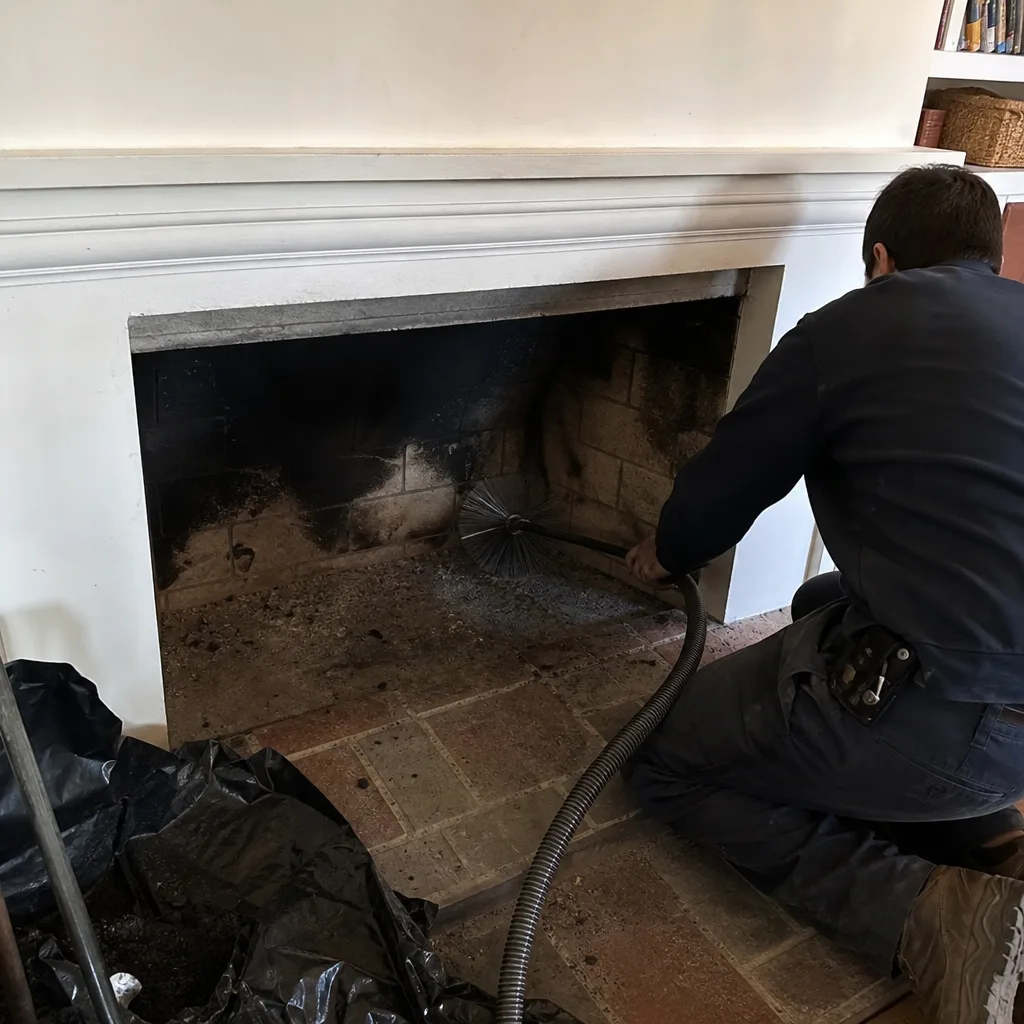 Before
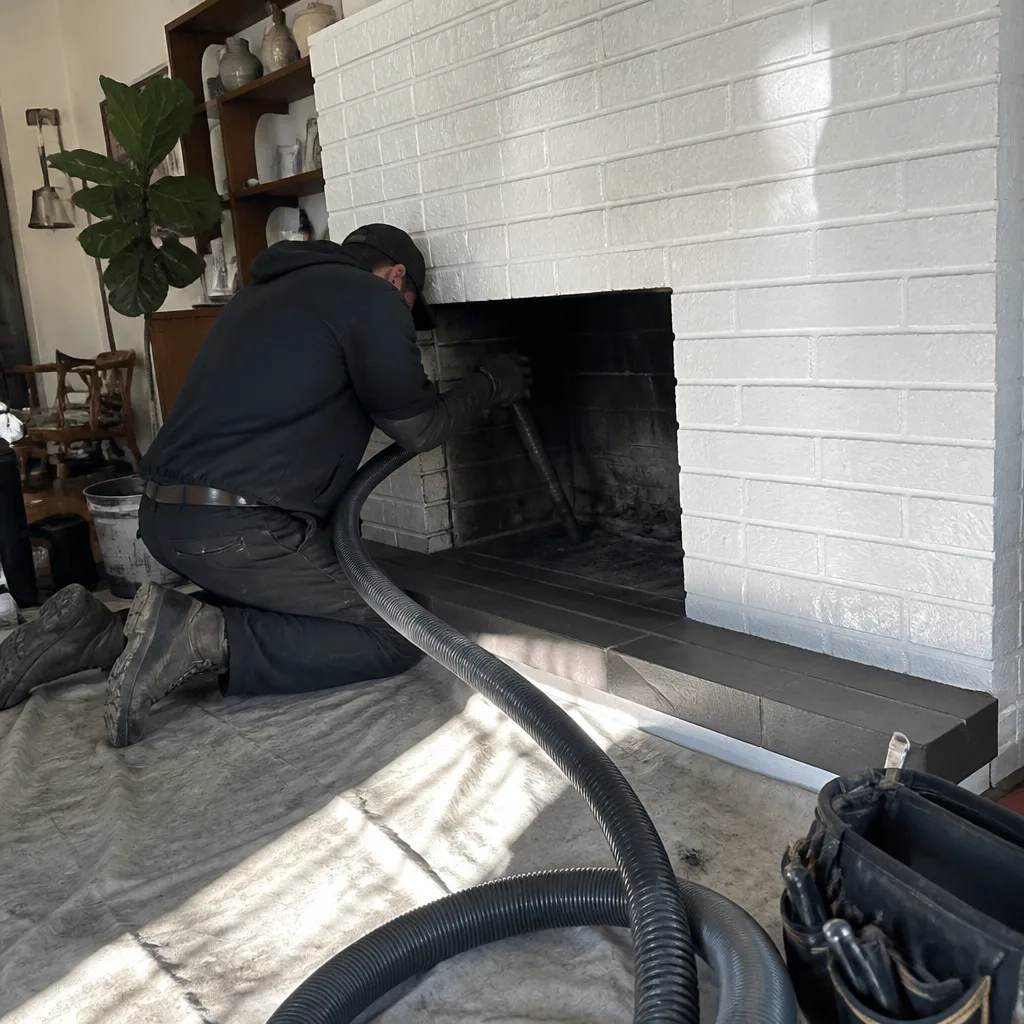 After
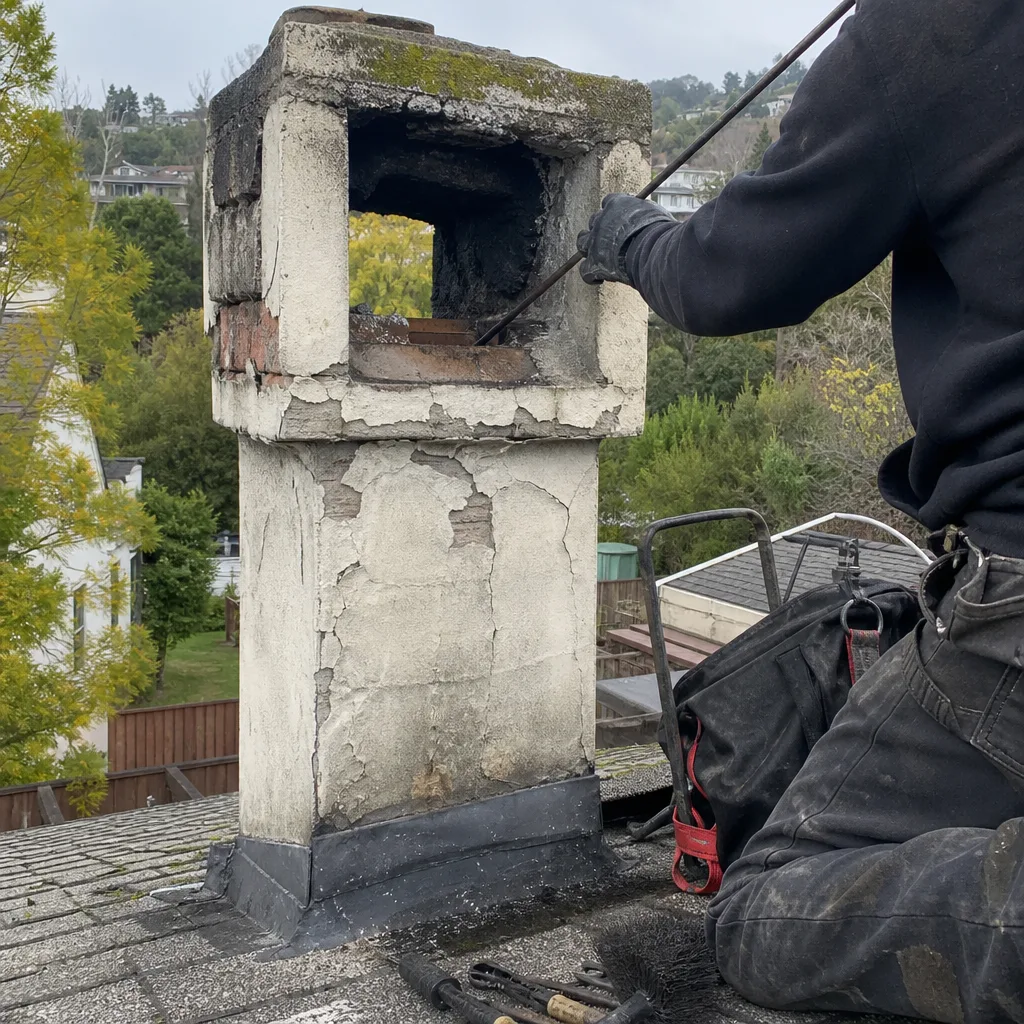 Before
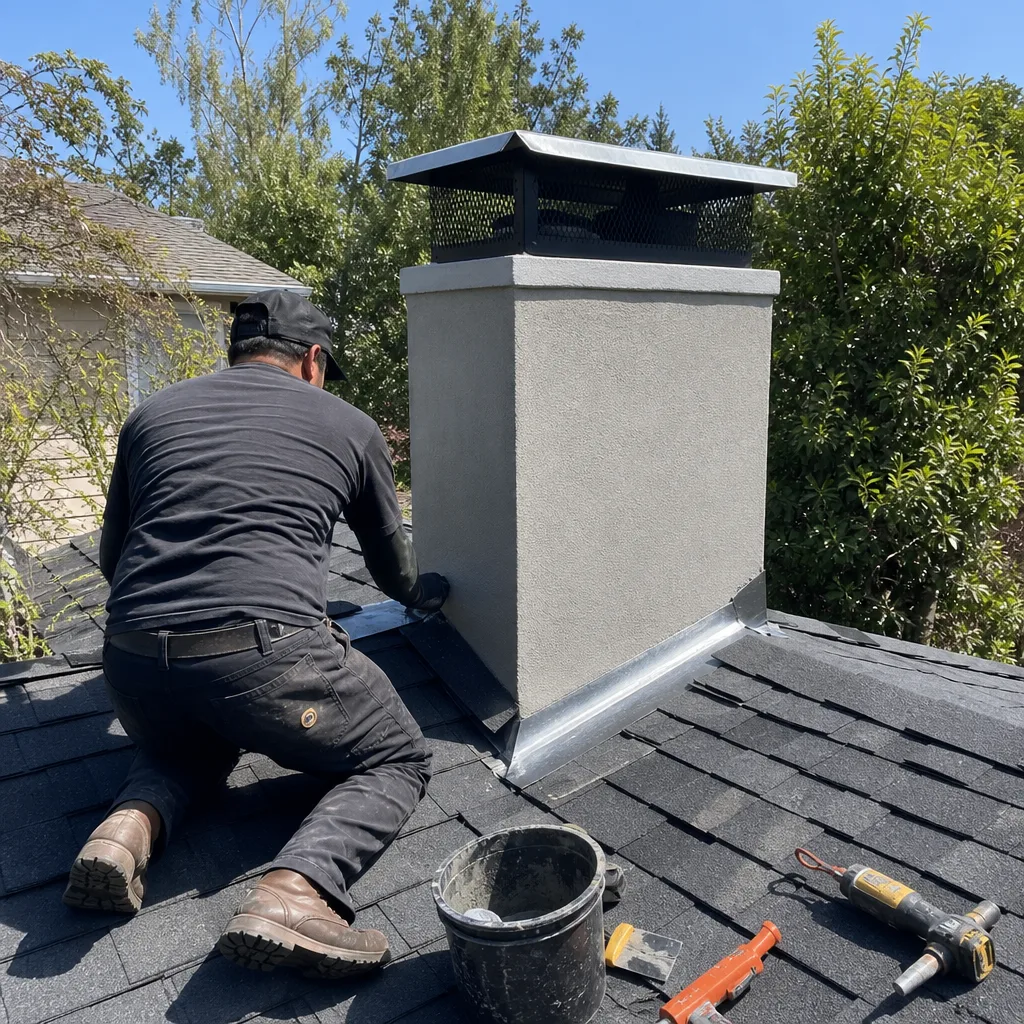 After
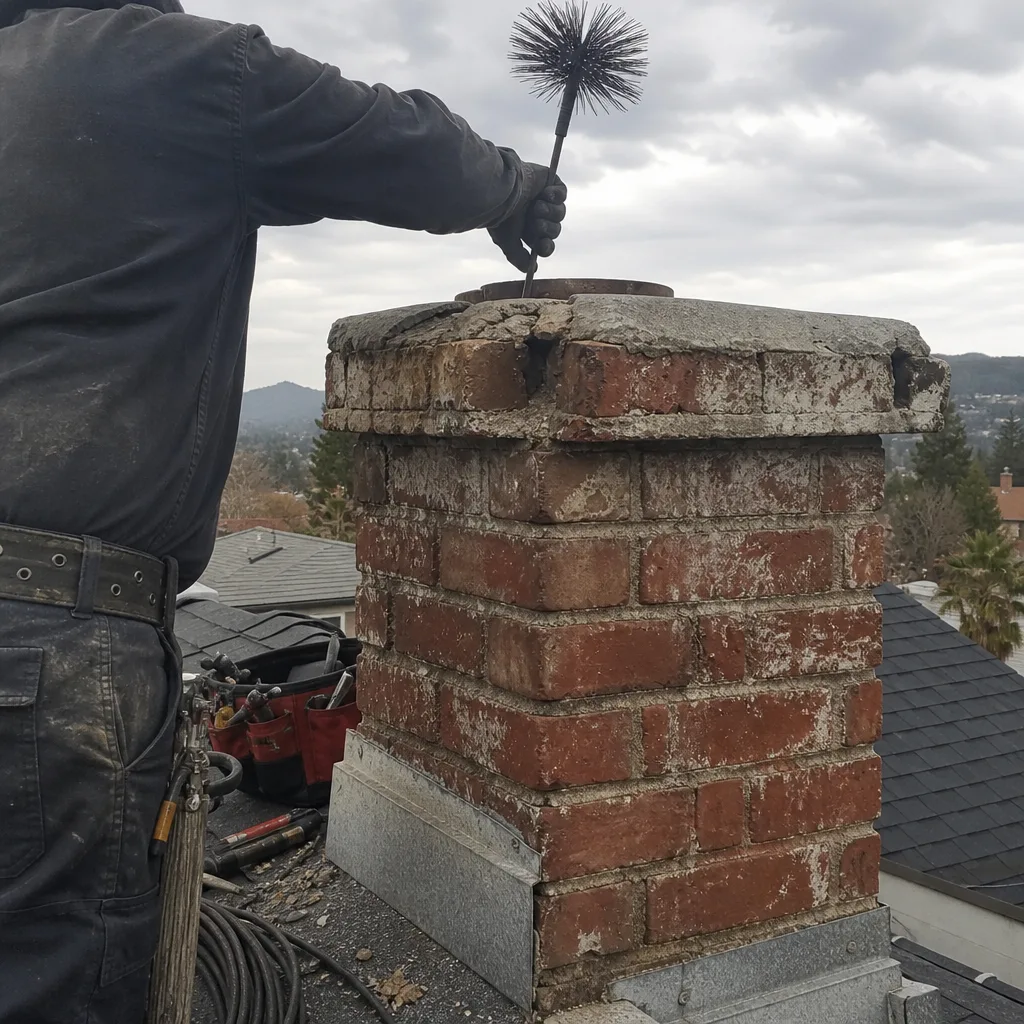 Before
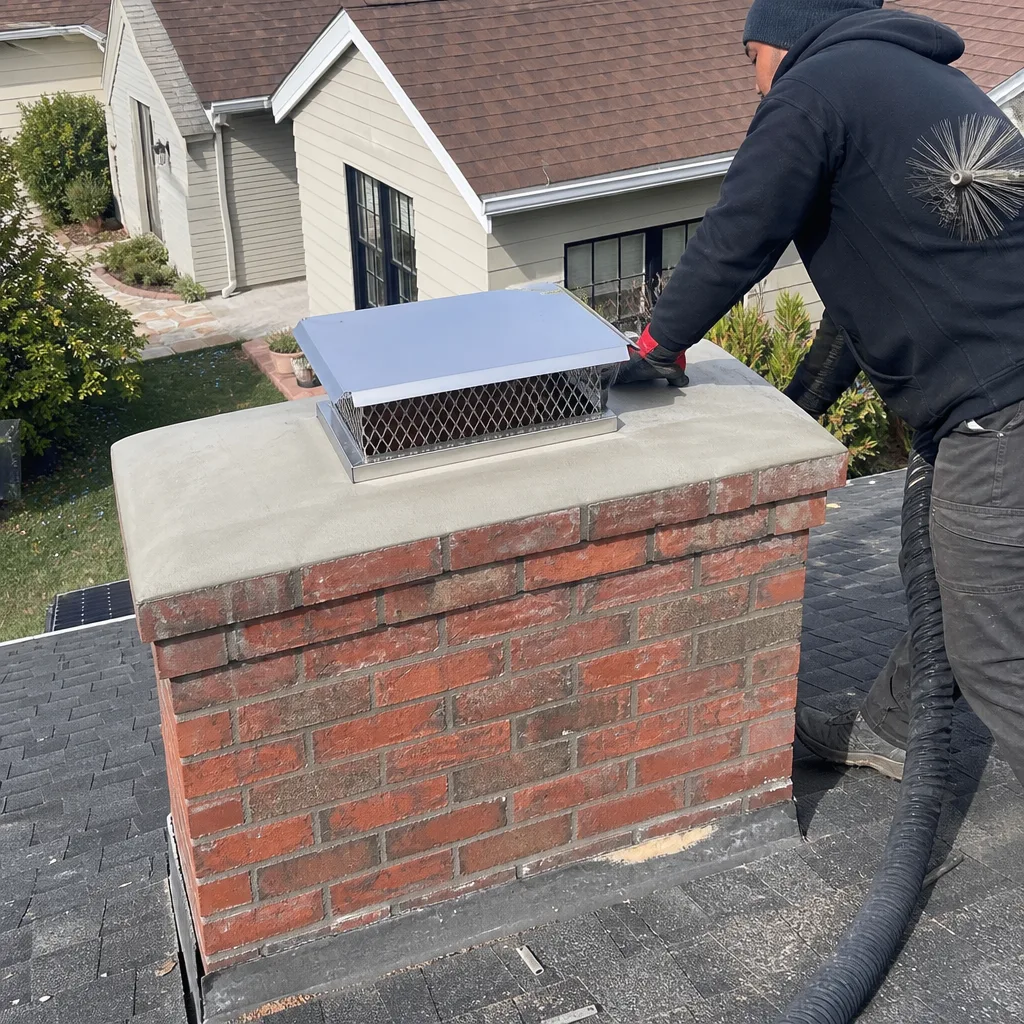 After
When to Call a Professional
Call a chimney professional if you haven’t had an inspection in over a year, if you see staining around the chimney exterior, if you smell smoke or a musty odor coming from the firebox, or if your dryer is running longer than it used to. Call before you list a Berkeley home for sale, before you close on a Berkeley home purchase, and before the fall burning season starts. And call if the last person who looked at your chimney didn’t use a camera. We put a camera through every flue, every time, because it’s the only way to give you an honest answer about what’s actually up there. Chimney Sweep Berkeley offers free estimates in Berkeley. Call (855) 382-9432 to schedule your inspection.
Frequently Asked Questions
A standard chimney sweep and inspection in Berkeley usually runs between $180 and $340 for a fireplace with no major issues. The final cost depends on the flue’s condition, how much creosote has built up, and whether any repairs are needed beyond the cleaning itself. For an exact quote, call (855) 382-9432. Estimates are free.
At least once a year, ideally in September or October before the first fire of the season. Homes in the Berkeley Hills fire overlay zone and homes with pre-1960 unlined chimneys should not skip this annual appointment under any circumstances. The annual inspection is the part that matters most.
No reputable sweep should tell you a liner needs replacement without showing you camera footage that proves it. We’re not in the business of scare-selling. If the camera shows a hairline crack that’s stable, we’ll tell you that. If it shows deterioration that’s actively dangerous, we’ll show you the footage and explain your options, including HeatShield resurfacing, which can avoid a full replacement in many cases.
Skipping a sweep doesn’t mean your chimney will definitely catch fire, but it means you’re operating without information. Creosote accumulates invisibly. Cracks form slowly. A chimney that’s been ignored for five years might have a dangerous glazed creosote layer, a partial blockage from a bird’s nest, or a hairline crack that’s been letting moisture into the wall. The risk isn’t just fire; it’s also carbon monoxide, structural water damage, and expensive repairs that could have been caught early.
Yes, with care. The cleaning process is the same, but the inspection yields different information. An unlined chimney can’t be brought up to current code without a liner installation, but cleaning it thoroughly and assessing the masonry condition is still the correct first step. We’ll tell you plainly whether the chimney is safe to use as-is or whether a liner is genuinely necessary.
Most don’t, but we do. Dryer vent cleaning is a core part of our service lineup because lint buildup is one of the leading household fire causes, and Berkeley’s humid climate makes lint cling to duct walls more aggressively than in dry inland areas. You can book it as a standalone service or add it to your chimney sweep in the same visit.
The Bottom Line
Berkeley chimneys face conditions that generic national guides don’t address: persistent marine moisture, a legacy of pre-1960 unlined fireplaces, seismic activity that shifts foundations, and a fire risk overlay that turns chimney maintenance into an insurance and code requirement. The answer to all of it is the same: an annual professional inspection with a camera, done by someone who understands what they’re looking at in this specific place. Clean the chimney before the season. Check the spark arrestor if you’re in the hills. Don’t assume a little smoke or a slow dryer vent will sort itself out. For more guides & resources, visit our blog. Call (855) 382-9432 for a free estimate, and we’ll tell you what we found, not what sells the biggest job.
Written by the team at Chimney Sweep Berkeley, serving Berkeley since 2015.