
Last updated November 3, 2026
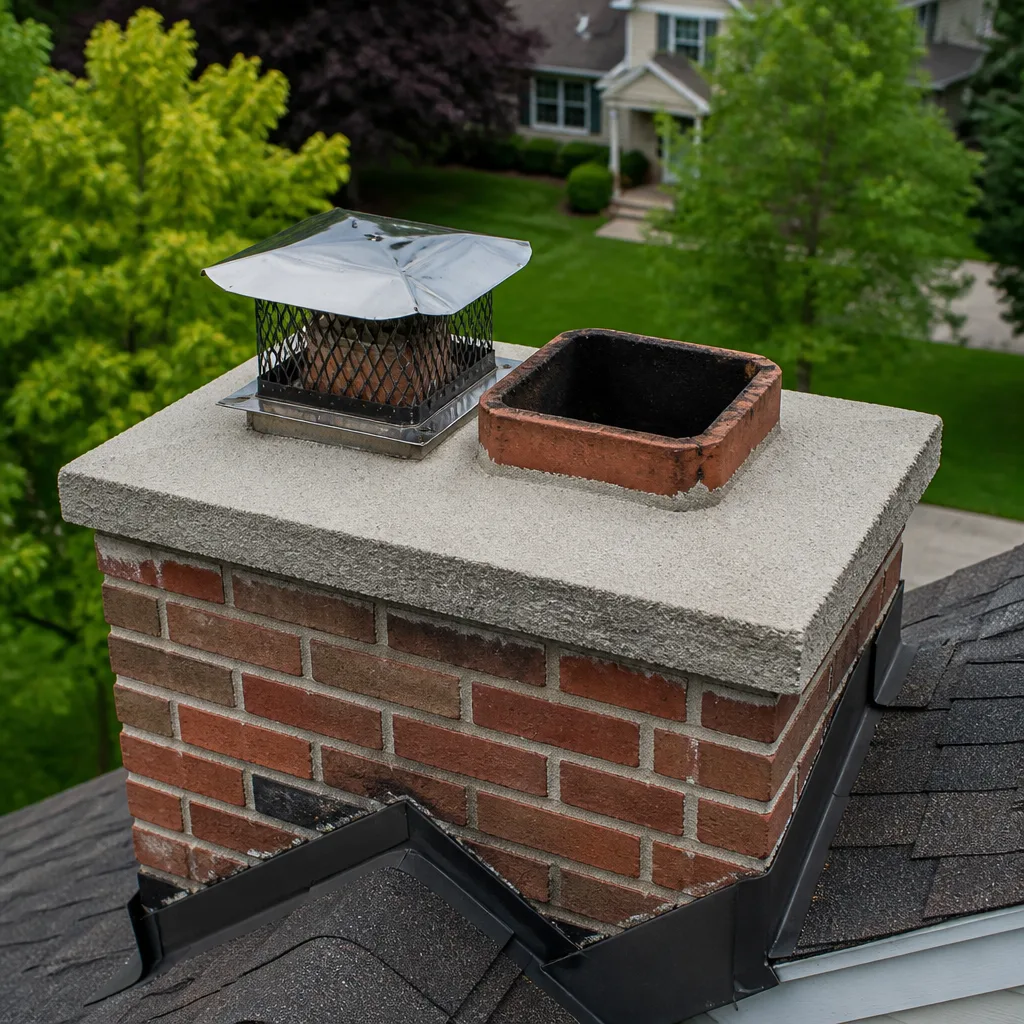 Sweep & inspection
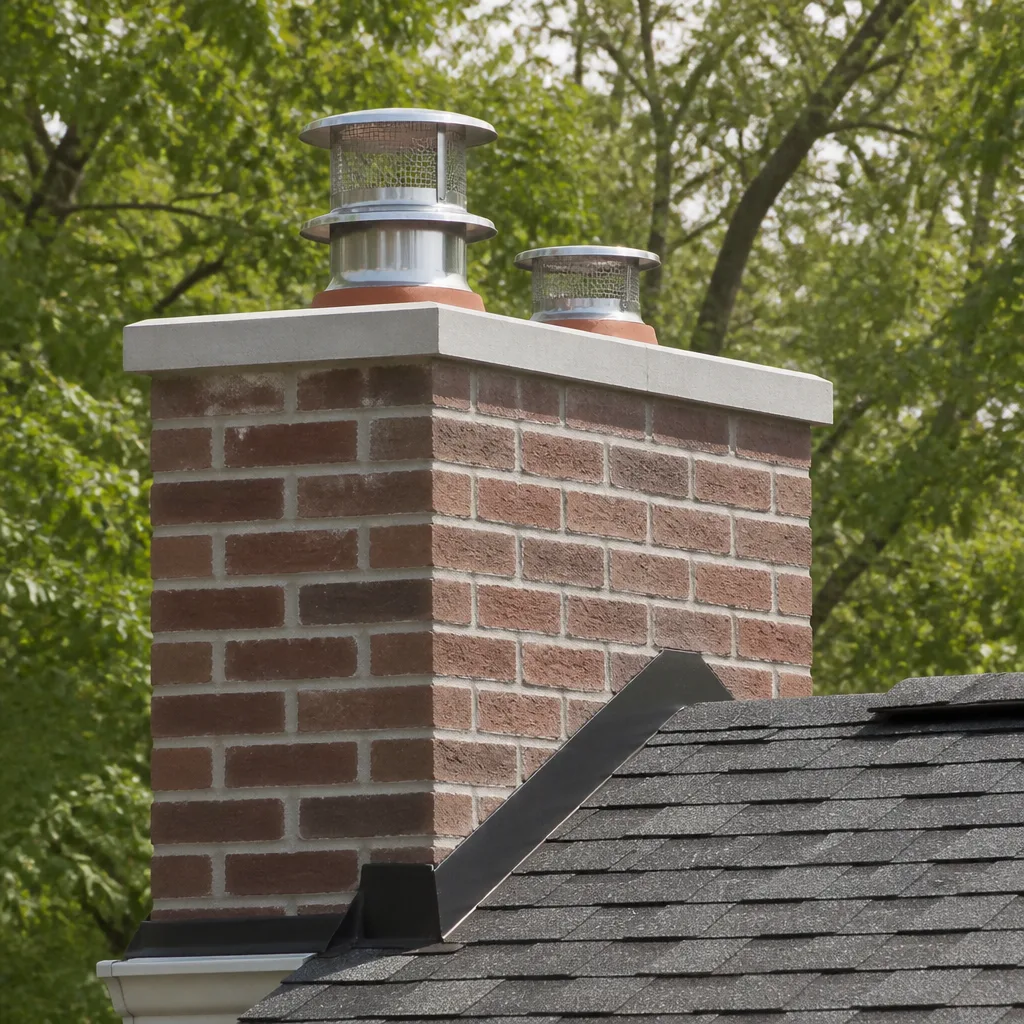 Caps & crowns
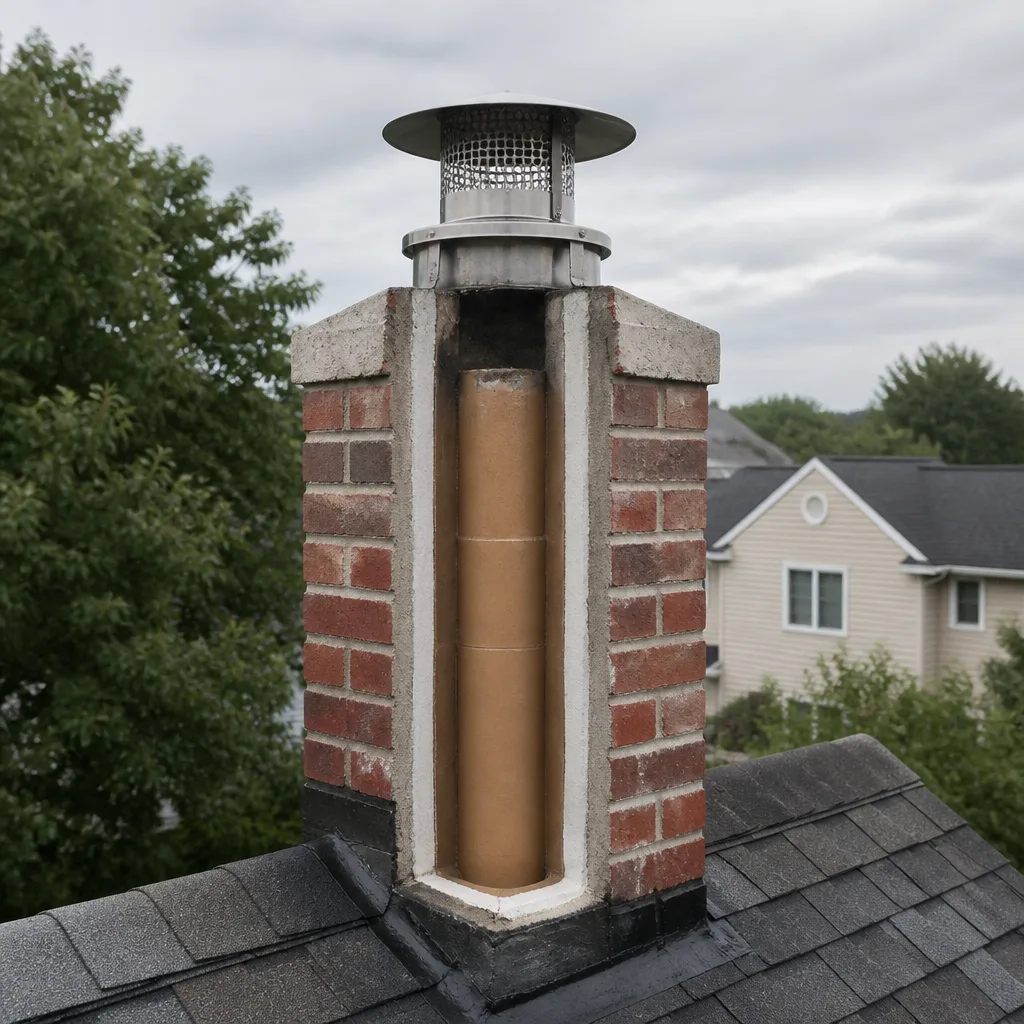 Flue relining
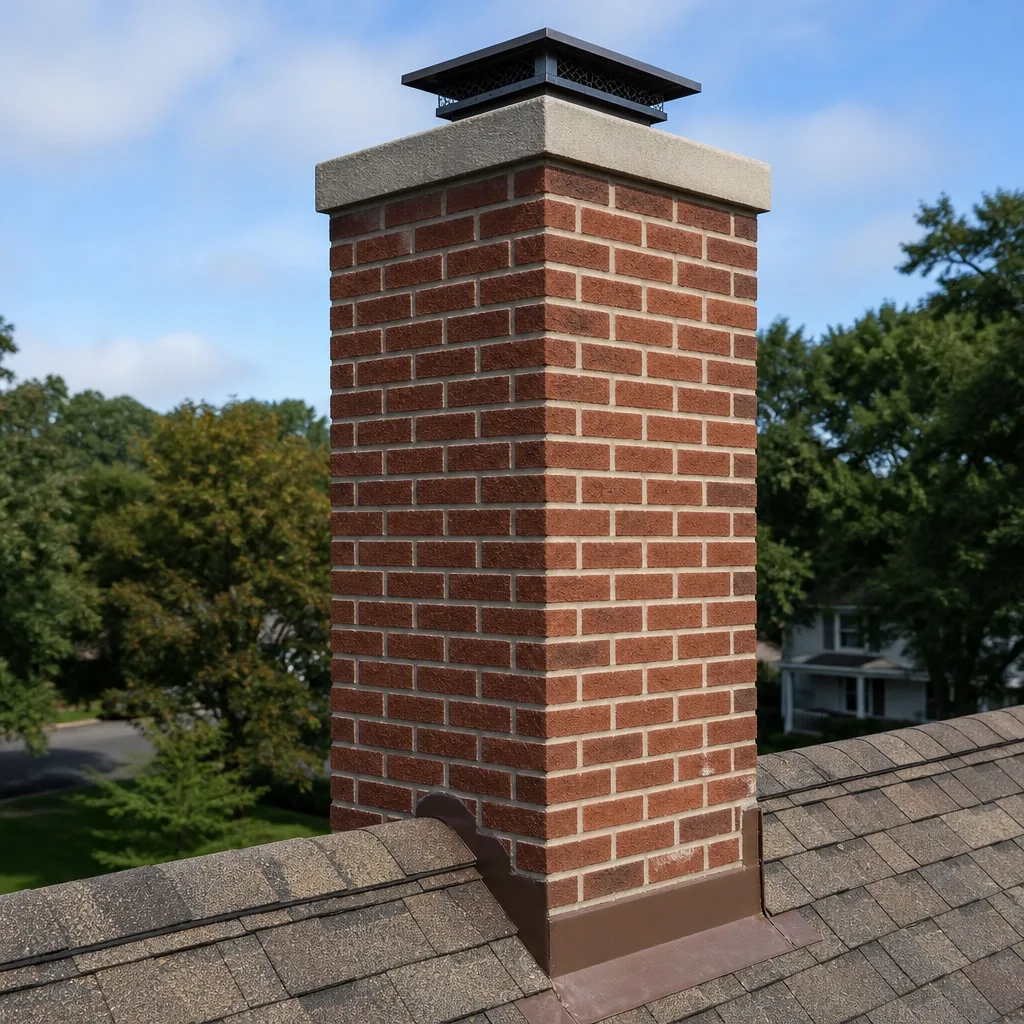 Masonry repair
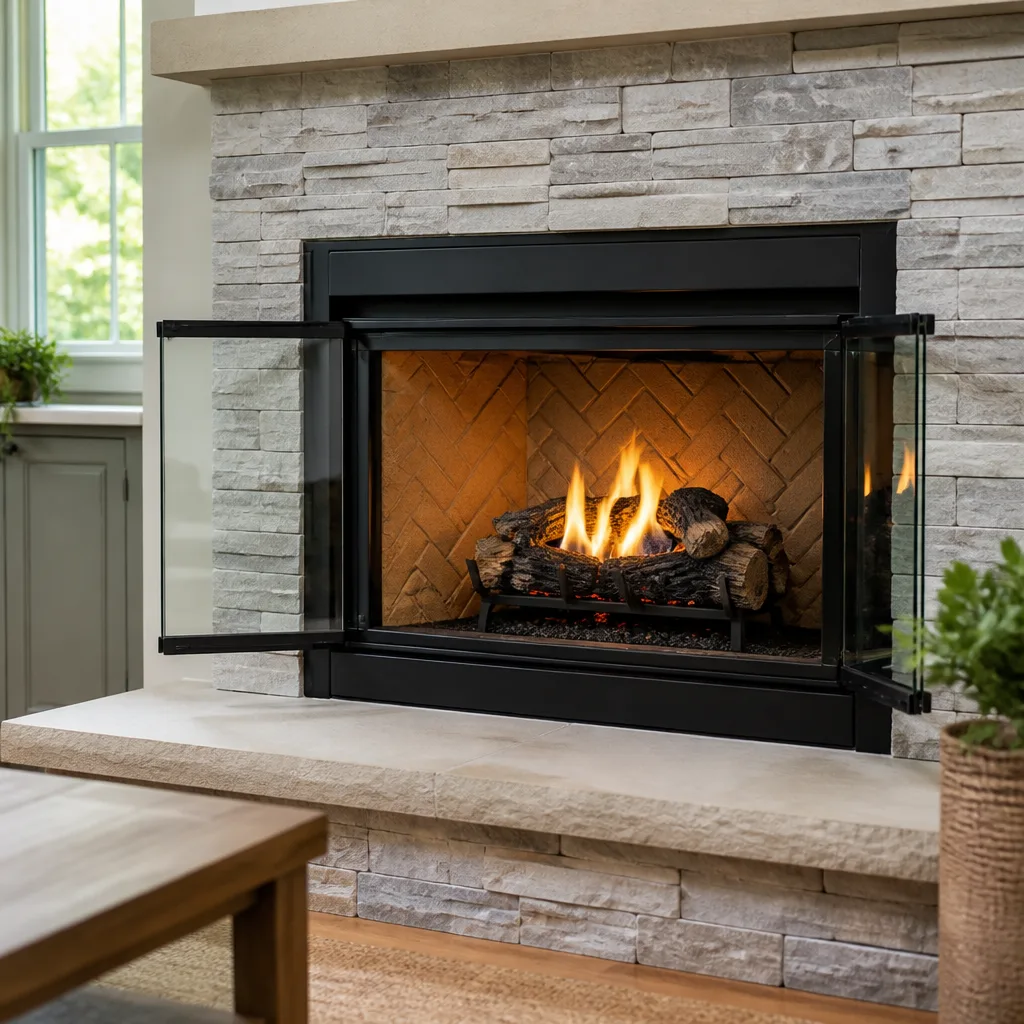 Gas fireplace service
Level 1 sweep and inspection to the NFPA 211 annual standard - flue, crown, cap, and flashing checked and photographed
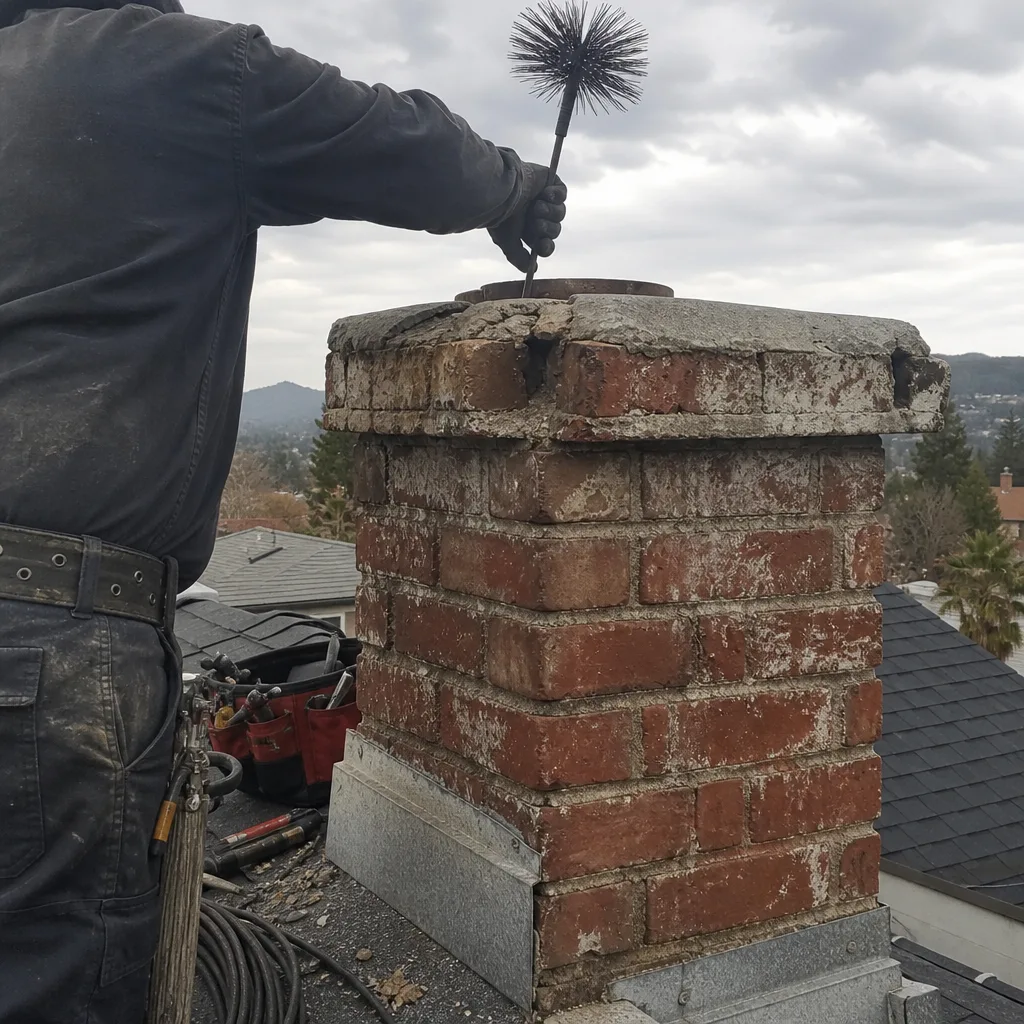
Chimney sweep logs do not sweep chimneys. They loosen some creosote - which then falls where a brush and vacuum still have to collect it.
Choosing the Right Chimney Cleaning Brand: A Buyer’s Guide for Berkeley
Most homeowners in Berkeley spend more time researching which coffee beans to buy than which materials go into their chimney repair. That’s understandable, but it creates a blind spot that costs real money. Contractors who use professional-grade materials don’t usually advertise it because most homeowners don’t ask. But the difference between a quality flue sealant and a generic substitute can be measured in years of service life. This guide explains what separates professional chimney products from hardware-store alternatives, which brands actually matter, and how to ask a contractor the right questions before you sign off on a sweep or repair in Berkeley.
Styles & brands we work with
- Sweep & inspection
- Caps & crowns
- Flue relining
- Masonry repair
- Gas fireplace service
Quick Answer
The right chimney cleaning brand isn’t a single product you buy off a shelf. It’s the material lineup your contractor uses: professional liner systems like DuraFlex, sealants and coatings from manufacturers like HeatShield, and hardware from suppliers like Olympia Chimney, Famco, and Copperfield. In Berkeley, where coastal moisture accelerates flue deterioration, asking your contractor which brands they source is the fastest way to separate a qualified specialist from someone quoting the cheapest possible job. For more on what this process involves, see our Complete Guide to Chimney Cleaning in Berkeley.
Table of Contents
- The Product Categories Where Brand Choice Actually Matters
- Professional-Grade vs. Consumer-Grade: What the Labels Actually Mean
- Liner Systems: Why DuraFlex and Similar Brands Dominate Professional Work
- Sealers, Coatings, and the HeatShield Difference
- Caps, Dampers, and Terminations: The Small Parts That Protect Everything
- How to Ask a Contractor About Material Sourcing
- Why Material Quality Determines What a Contractor Will Guarantee
- What Berkeley’s Climate Does to Chimney Materials
- Common Mistakes to Avoid
- When to Call a Professional
- Frequently Asked Questions
- The Bottom Line
The Product Categories Where Brand Choice Actually Matters
Not every part of a chimney system is equally brand-sensitive. Understanding where material quality moves the needle helps you evaluate a quote without becoming a materials engineer yourself. From our work across Berkeley, El Cerrito, and Albany, we see this pattern consistently: homeowners who know the categories below ask sharper questions and avoid the most common overpayment scenarios.
Here’s the honest breakdown of where brand matters most.
Where brand matters a lot
- Liner systems. A stainless steel liner is the structural heart of a safe chimney. The alloy grade, seam construction, and flexibility characteristics vary enormously between manufacturers. Cheap liners can warp during installation and fail early under Berkeley’s thermal cycling.
- Flue sealants and resurfacing products. When a clay tile flue has gaps or cracks but the surrounding structure is sound, the right ceramic or polymer product can restore it. The wrong one peels off within a season. HeatShield exists specifically for this application, and the results are measurably different from generic fireplace mortar.
- Crown coatings. The concrete crown at the top of your chimney takes direct weather exposure year-round. A flexible, waterproof coating designed for this application buys years. Painting it with standard exterior paint does almost nothing.
Where brand matters less
- Brushes and basic sweeping tools. A competent sweep with decent equipment gets a clean flue. The brush brand doesn’t change the outcome.
- Drop cloths, vacuums, and general job-site supplies. These are process quality indicators, not material quality indicators.
- Basic cap screens, provided they’re stainless or copper. The material matters more than the label here. A galvanized cap from any brand will rust faster near the Bay’s salt air than a stainless unit from a lesser-known manufacturer.
Berkeley homes built before 1950 often have unlined chimneys or clay tile liners with decades of service. Those are the properties where the brand conversation matters most, because the liner decision is usually the single largest line item on any chimney repair quote.
Professional-Grade vs. Consumer-Grade: What the Labels Actually Mean
The term “professional-grade” gets thrown around loosely, but in the chimney trade it has a specific meaning. Professional-grade products are sold through wholesale distribution channels that require a contractor account, a resale license, and often proof of installer training. Consumer-grade alternatives are what you find at big-box hardware stores, and they’re designed for a different buyer: someone who will install the product once, has limited tooling, and won’t hold the supplier accountable if it fails in three years.
The practical differences are more specific than marketing language.
- Alloy quality. Professional stainless liner systems use 316L or equivalent alloys designed for flue gas exposure. Hardware-store flex pipe is often 304 or lower-grade material intended for dryer venting, not wood-burning temperatures.
- Warranty structure. Manufacturers like DuraFlex and Olympia Chimney back professional installations with written warranties that extend years, sometimes decades, when installed by a qualified contractor. Consumer products carry over-the-counter replacement warranties with no labor coverage and no installation verification.
- Seam and joint engineering. The difference between a liner that stays sealed during a chimney fire (the event you’re protecting against) and one that opens at a seam is engineering, not luck. Professional systems are tested against these conditions. Generic substitutes are not.
- Installation support. When we install a Copperfield cap or a Famco damper, the manufacturer provides spec sheets, compatibility guidance, and a technical support line. The packaging on consumer products provides a SKU and a customer service number that handles returns, not technical questions.
For a Chimney Sweep in Berkeley, this distinction isn’t academic. It’s the difference between a repair that lasts 20 years and one that fails during the first wet winter. Berkeley’s fog and rain cycles put materials through condensation and re-drying repeatedly, which accelerates weakness in any component that isn’t built for the environment.
Liner Systems: Why DuraFlex and Similar Brands Dominate Professional Work
When a chimney repair quote includes a new liner, the brand should be a specific question you ask. Flexible stainless steel liner systems like DuraFlex exist because old masonry chimneys are never perfectly straight. A rigid pipe can’t follow the angles, offsets, and transitions of a 1920s Berkeley bungalow flue. Flexible systems can.
But flexibility alone isn’t the point. The point is that a professional liner system is engineered as a system: the flex tube, the top plate, the rain cap, and the appliance connector are designed to work together as one assembly. Mixing a generic flex pipe with a random cap from a hardware bin creates junction points where condensation leaks, draft stalls, and creosote accumulates.
Here’s what a knowledgeable contractor considers when selecting liner components.
- Fuel type and flue gas temperature. Wood, gas, and oil all produce different chemistry. A liner rated for gas may not handle the creosote-producing temperatures of wood. A liner built for wood can usually handle gas, but not always efficiently.
- Flue geometry. Berkeley’s older homes, especially in the Elmwood and North Berkeley flats, have chimneys with multiple offsets. Professional flex liners handle these without kinking. Cheap alternatives fold at the first sharp turn.
- Termination details. The cap assembly at the top of the liner is where most water intrusion starts. Professional systems pair the liner with matched terminations. Mixed components leak at the junction.
- Clearance and insulation requirements. Depending on the masonry condition, a liner may need a poured insulation surround. The liner manufacturer’s spec determines whether insulation is required for code compliance. Consumer products rarely provide this engineering data.
We work with DuraFlex for liner installations because the manufacturer certifies installers, publishes full engineering specifications, and stands behind the product with a transferable warranty. That matters when you’re a homeowner who might sell the house in five years and wants the chimney inspection to pass cleanly.
Sealers, Coatings, and the HeatShield Difference
A full liner replacement costs thousands of dollars. The hard truth is that many Berkeley homeowners don’t need one. What they need is flue restoration: repairing gaps and cracks in the existing clay tile liner before they widen into structural problems. This is where HeatShield enters the conversation, and it’s a capability most chimney sweeps never discuss because they either don’t carry the certification or don’t want to quote a lower-ticket repair.
HeatShield is a cerfied flue sealant and resurfacing system. It’s applied as a foam or a cast-in-place coating that fills cracks, seals gaps between tile sections, and creates a smooth, gas-tight interior surface. The product was developed specifically for masonry flue restoration, and it’s backed by a manufacturer warranty when applied by a certified contractor.
The alternative most contractors offer is a full rigid or flexible liner install, even when the existing clay tile is mostly intact. In some cases, that’s the right call. In others, it’s $6,000 when $1,800 would solve the problem. This is where contractor honesty matters more than any brand label. A sweep who says “you need a full liner” should be able to show you camera footage that proves the existing flue is beyond restoration. If they can’t show you that, ask why.
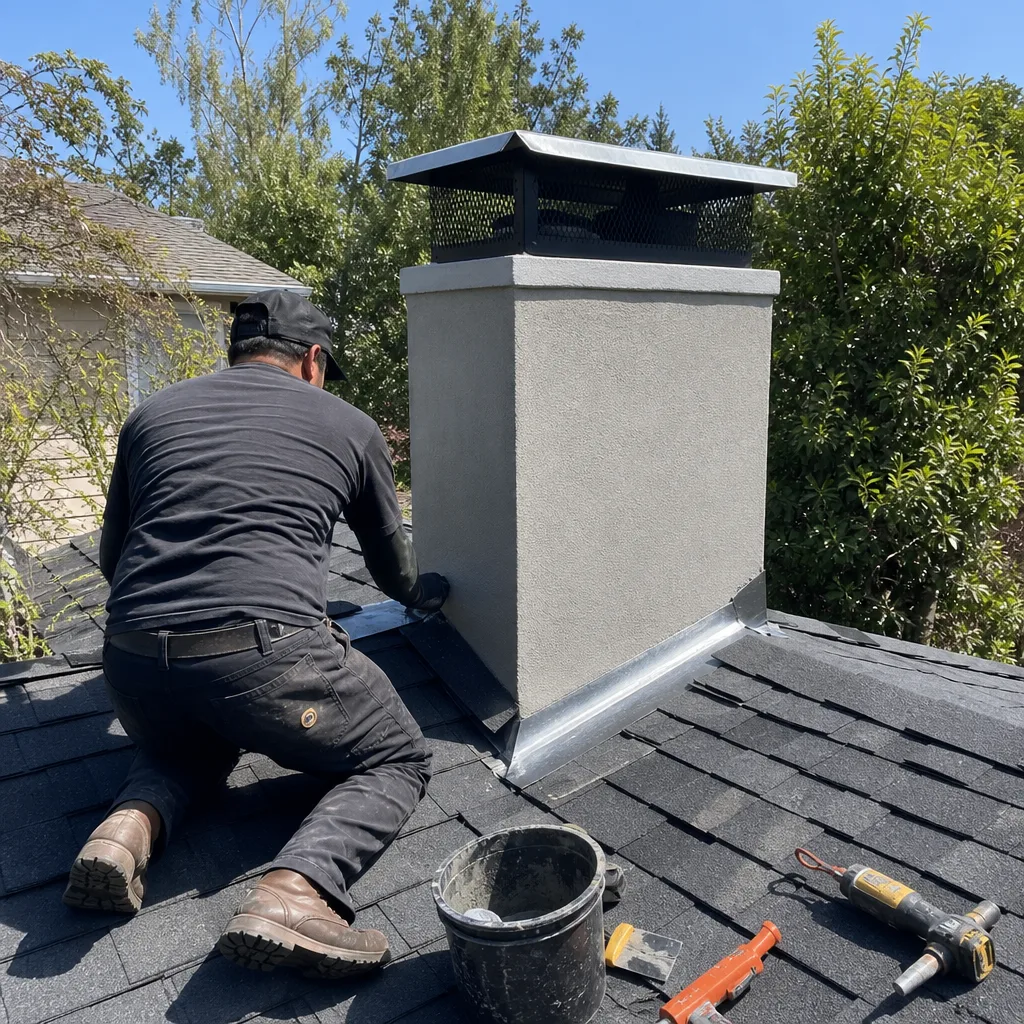
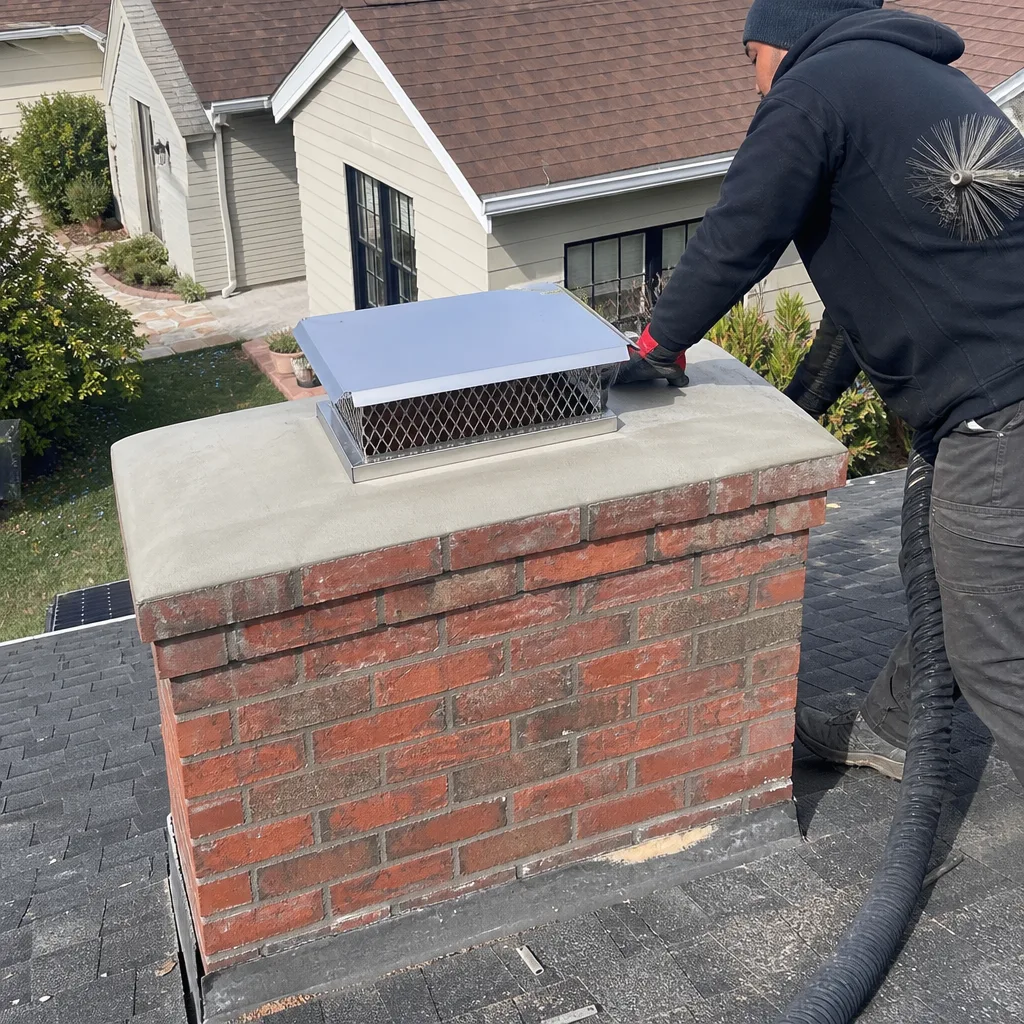
The same principle applies to crown coatings. A cracked crown lets water into the chimney chase, where it deteriorates mortar joints and rusts firebox components. Sealing the crown with a flexible elastomeric coating designed for chimney crowns is a $400 to $900 repair. Rebuilding the crown from scratch is $2,000 to $4,000. The coating’s brand matters because flexible, weather-resistant formulations perform dramatically better under Berkeley’s wet-dry cycling than standard concrete sealers.
Caps, Dampers, and Terminations: The Small Parts That Protect Everything
A clean chimney and a new liner still fail if the top termination isn’t right. The cap, damper, and crown assembly is the first line of defense against rain, pests, and backdraft, and it’s the part homeowners see least. Berkeley’s raccoon population and fog-heavy winters make these components especially active.
Professional chimney supply brands like Olympia Chimney, Famco, and Copperfield manufacture caps and dampers that differ from hardware-store equivalents in three ways that matter here.
- Mesh sizing. Cap screen mesh must be fine enough to keep embers inside and birds out, but open enough to preserve draft. Cheap caps use screens that clog with creosote or let sparks pass through. Professional caps use engineered mesh that balances both requirements.
- Material durability. A galvanized steel cap from a big-box store rusts through within three to five years in the Bay Area’s salt-tinged air. Stainless and copper caps from manufacturers like Copperfield are built for that exact environment. The price difference is real. The service life difference is bigger.
- Damper fit and function. A poorly fitting damper leaks air all winter, sending your heat up the flue. Professional manufacturers like Famco engineer dampers with specific blade geometry and gasket materials that seal properly. Generic dampers are stamped metal in a box.
When we install a cap or damper on a Berkeley chimney, we’re not choosing between “good” and “bad” brands. We’re choosing between products with published performance specs and products without them. That’s the line that matters. A product datasheet tells you flame arrestor mesh size, material alloy, wind resistance rating, and installation tolerance. A box with a logo tells you it fits most standard chimneys. In a city as architecturally varied as Berkeley, “most standard” is not a useful specification.
How to Ask a Contractor About Material Sourcing
The easiest way to identify a qualified chimney professional is to ask a simple question: “What liner system or sealant brand do you use, and why?” A confident, knowledgeable contractor answers without hesitation. They tell you the brand, explain the material’s specification, and connect the product choice to your specific fireplace or stove. A deflecting contractor says something like “we use top-quality materials” or “we use whatever the job needs.” That’s not an answer. That’s a placeholder for “you wouldn’t recognize the cheap stuff we buy anyway.”
Here’s a practical conversation you can have with any Berkeley chimney company before booking.
- Ask which liner brand they install, and whether they’re a certified installer. If the answer is “DuraFlex” or a similarly recognized manufacturer, ask for the installer certification. If the answer is vague, keep probing.
- Ask about flue restoration options. Say: “If the camera shows cracked tiles but no structural damage, do you offer liner resurfacing or just full replacement?” A contractor who has never heard of HeatShield or an equivalent product is telling you their repair menu is limited.
- Ask about the cap and damper brands they stock. If they can’t name the manufacturer of the parts they put on top of your chimney, ask if they buy from a professional supply house or a retail chain. You’re not being difficult. You’re verifying supply chain.
- Ask what the warranty covers, in writing, before you agree. A real workmanship guarantee from a Berkeley contractor usually covers labor and materials for a defined period. If the contractor won’t put it in writing before the job starts, that’s information.
None of these questions requires you to become a chimney expert. They require the contractor to demonstrate they are one. The team at Chimney Sweep Berkeley home fields these questions regularly, and the transparency requirement goes both ways: a contractor should be able to show you exactly what they’re installing and why. If they can’t, keep looking.
Why Material Quality Determines What a Contractor Will Guarantee
Contractors stand behind their work in proportion to their confidence in their materials. That’s not a personality trait. It’s a business calculation. A sweep who installs a no-name liner from a discount supply house knows the failure rate. They price jobs accordingly, and they write weak warranties because they know what’s going to happen in year three. A contractor who installs DuraFlex or Copperfield or Famco products knows those manufacturers document performance and stand behind their products. The contractor can then stand behind their installation.
This is the connection homeowners miss. You’re not paying more for a brand name. You’re paying for the warranty the brand enables. A professional-grade material with a 10-year manufacturer warranty means the contractor can offer a workmanship guarantee without gambling their business on it. A consumer-grade product with a 90-day return policy means the contractor is going to be very careful about what they promise in writing.
In practice, here’s what to expect from a quality Berkeley chimney company.
- A written scope of work listing every material, with manufacturer names, before work begins.
- Camera inspection footage provided to you, not just shown on a phone you can’t record.
- A clear explanation of what was found, what’s urgent, and what can wait.
- A warranty document that names both the contractor’s workmanship period and the manufacturer’s material warranty.
If any of those is missing, the bargain quote isn’t a bargain. It’s an under-specified job waiting to age out. In Berkeley’s housing market, where homes routinely sell in 30 days and inspectors flag chimney issues, a documented professional repair is an asset. An undocumented one is a future negotiation problem.
What Berkeley’s Climate Does to Chimney Materials
Berkeley’s weather is not extreme. It doesn’t snow, it rarely freezes hard, and the biggest storms roll through between November and March. But that temperate climate creates a specific wear pattern on chimney materials that homeowners often misread.
The issue is moisture and its long, slow intrusion. Berkeley gets about 25 inches of rain per year, but it arrives in sustained winter patterns with high humidity and frequent fog that lingers even in the dry months. Chimney crowns take direct exposure. Masonry absorbs moisture during wet periods and releases it during dry ones, and every cycle stresses mortar joints and crown coatings. Houses in the Berkeley Hills, especially those on elevated lots exposed to bay wind, see more of this cycling than properties in the flats.
This has two material consequences.
- Sealants and coatings must flex. A rigid sealant cracks as the masonry moves through moisture cycles. A flexible product designed for thermal and moisture expansion lasts years longer. That’s the argument for professional-grade crown coatings, not the concrete sealer from the paint aisle.
- Rust happens at the top, not the middle. The cap, damper, and termination components at the chimney top see wet-dry cycling constantly. Galvanized steel breaks down quickly when fog salts dry on the surface. Stainless steel and copper resist this. Berkeley homeowners should expect professional chimney caps to be either stainless or copper, not galvanized, regardless of brand.
Homes in the flats with chimneys that run through interior walls have a different moisture profile than exterior chimneys on hillside lots. A Chimney Repair in Berkeley job on an exterior chimney in the hills often involves more crown and cap issues. Interior chimneys tend to show more liner and firebox wear from heat cycling. Neither is more expensive to fix. They’re just different, and a contractor who identifies which applies to your house is doing real diagnosis, not template quoting.
Common Mistakes to Avoid
- Buying a chimney cap from a hardware store and assuming it fits. Most Berkeley chimneys are not standard sizes. An oversized cap looks wrong and leaks. An undersized one blocks draft. Neither is a bargain.
- Treating a liner quote as a commodity. Two liner quotes are not comparable unless they specify alloy, insulation, termination, and manufacturer. A cheaper quote that skips insulation on a masonry chase will fail early.
- Skipping the camera inspection because the fire “draws fine.” Draft is not the same thing as soundness. A flue can draft while cracked tiles leak combustion gases into wall cavities. Camera proof is the only way to verify condition.
- Deferring crown repair because it “looks minor.” Small crown cracks widen. Water gets in. The masonry spalls, the flue tile shifts, and the repair cost triples. Berkeley’s wet winter makes this progression faster than in drier climates.
- Painting the chimney crown with elastomeric roof coating. Roof coatings are formulated for horizontal surfaces. Crown coatings must handle vertical mortar joints and thermal flex. Using the wrong product voids any warranty and fails within two seasons.
- Ignoring the dryer vent because a chimney company handles it. Some Berkeley homeowners assume a chimney sweep also cleans the dryer vent automatically. Not all do. If you want both addressed in one visit, ask before booking. Lint fires and creosote fires are different hazards with different prevention cycles. Dryer Vent Cleaning in Berkeley is a separate service, and it’s worth scheduling on its own cycle.
- Paying for a new liner without seeing the old one. Any contractor who recommends a full liner replacement should show you camera footage that proves the existing flue is beyond repair. If they won’t, get a second opinion.
When to Call a Professional
You need a professional chimney inspection if you see white staining on the exterior masonry, notice a smell from the fireplace after rain, hear debris falling when wind gusts hit the top, or haven’t had a sweep in two or more burning seasons. These are not troubleshooting moments. They’re diagnostic moments. A trained eye with a camera sees things from the top of the chimney that you can’t see from the living room, and in Berkeley’s housing stock, many chimneys are 80 to 100 years old and carrying deferred maintenance.
Chimney Sweep Berkeley offers free estimates in Berkeley, and our typical approach is camera inspection first, explanation second, and options third. Call (855) 382-9432 to schedule a sweep, a repair assessment, or a dryer vent cleaning if the lint trap hasn’t been addressed recently.
Frequently Asked Questions
For flexible stainless applications, DuraFlex is a recognized professional-grade system that handles the offsets common in older Berkeley chimneys. The brand matters less than the alloy grade, the installation quality, and whether the contractor is a certified installer. Ask for all three.
Many Berkeley chimneys with cracked clay tile can be restored with HeatShield, a specialized flue-sealing system, rather than fully relined. The only way to know is a camera inspection. A contractor who won’t show you the camera footage before recommending a full liner replacement should not get the job. Call (855) 382-9432 for a free estimate and ask about flue restoration options.
Once per burning season, or about every 50 fires, whichever comes first. Berkeley’s wet winters mean chimneys sit damp and cold for months, which accelerates creosote buildup on the first fires of the season. Annual sweeping before the burning season starts is the standard recommendation.
Creosote coats the flue interior, and over time that coating hardens into a glazed layer that’s more difficult to remove and more combustible. The fire risk rises with every uncorrected season, and small problems hidden behind the creosote, like cracked tiles, go undiagnosed until they become expensive structural repairs. A Chimney Sweep in Berkeley typically charges a few hundred dollars for a standard sweep, which is the cheapest chimney maintenance you’ll ever buy.
The sweeping logs and spray-on cleaners sold at retail are not substitutes for a mechanical sweep. They may reduce some surface creosote, but they cannot remove the hardened deposits that actually create fire risk, and they cannot reach the upper flue where blockages form. If the product promises to replace a professional sweep, it’s overstating its ability.
A standard chimney sweep in Berkeley typically ranges from $200 to $350 depending on flue condition, height, and whether the chimney includes multiple flues or unusual access challenges. Repairs like crown sealing or flue restoration are quoted separately after camera inspection. Call (855) 382-9432 for a free estimate based on your specific chimney.
The Bottom Line
The brands a chimney contractor uses tell you something real about how they operate. Professional-grade liner systems, restoration products, and termination hardware from manufacturers like DuraFlex, HeatShield, Olympia Chimney, and Copperfield signal a contractor with supply-chain access, installer training, and the confidence to stand behind their work. Consumer substitutes indicate the opposite. In Berkeley, where older housing stock and damp winters punish under-specified materials, asking about brands before booking is not pedantic. It’s how you avoid paying twice. Get the camera inspection, name the products in the quote, and call (855) 382-9432 for a free estimate from a team that works with professional-grade materials every day. Explore more guides & resources to protect your chimney investment.
Written by the team at Chimney Sweep Berkeley, serving Berkeley since 2015.
See the difference
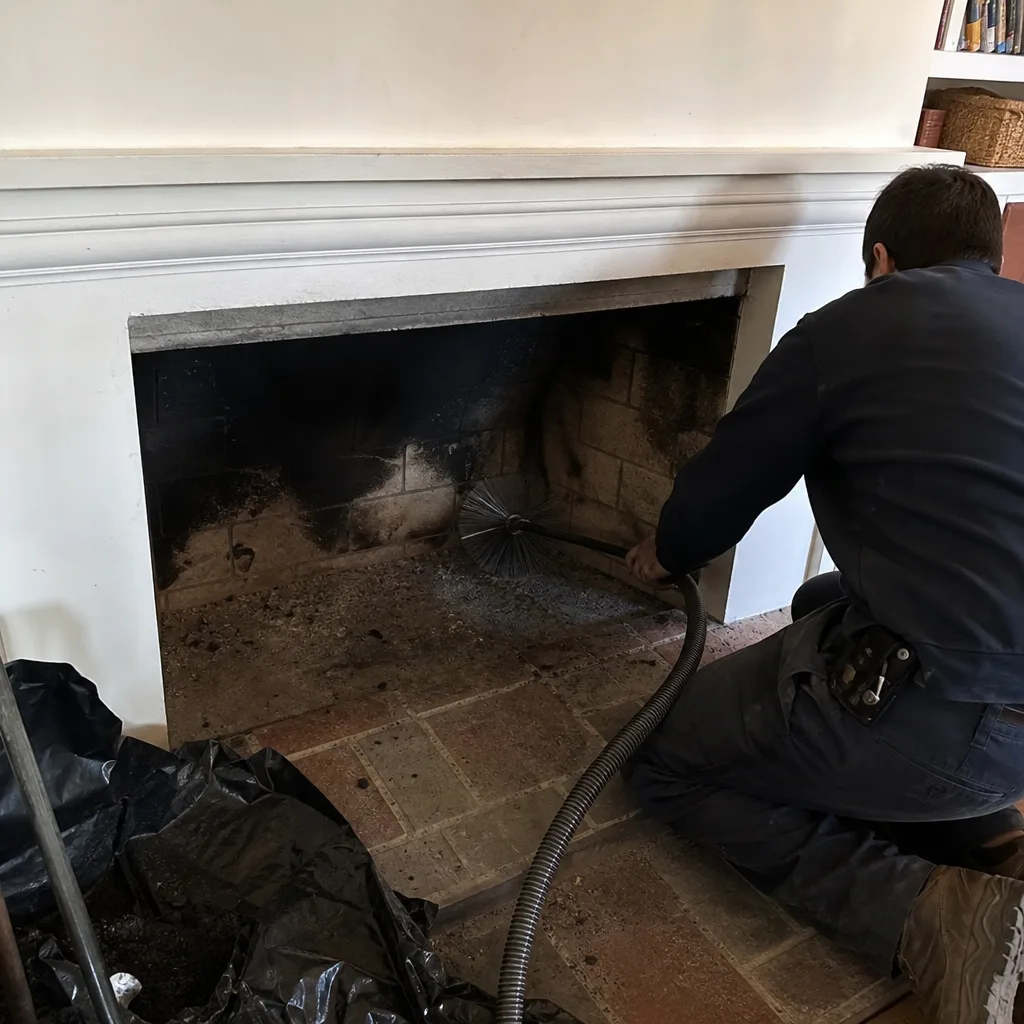 Before
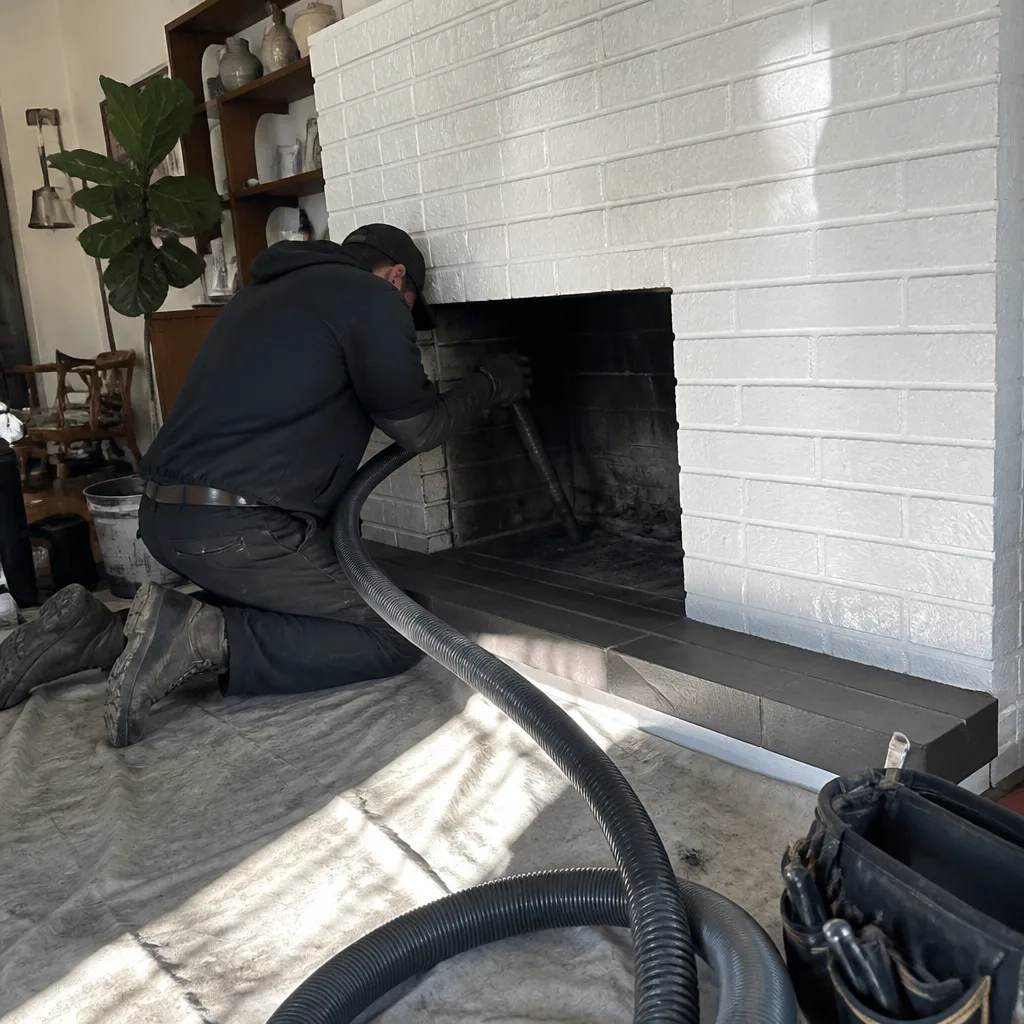 After
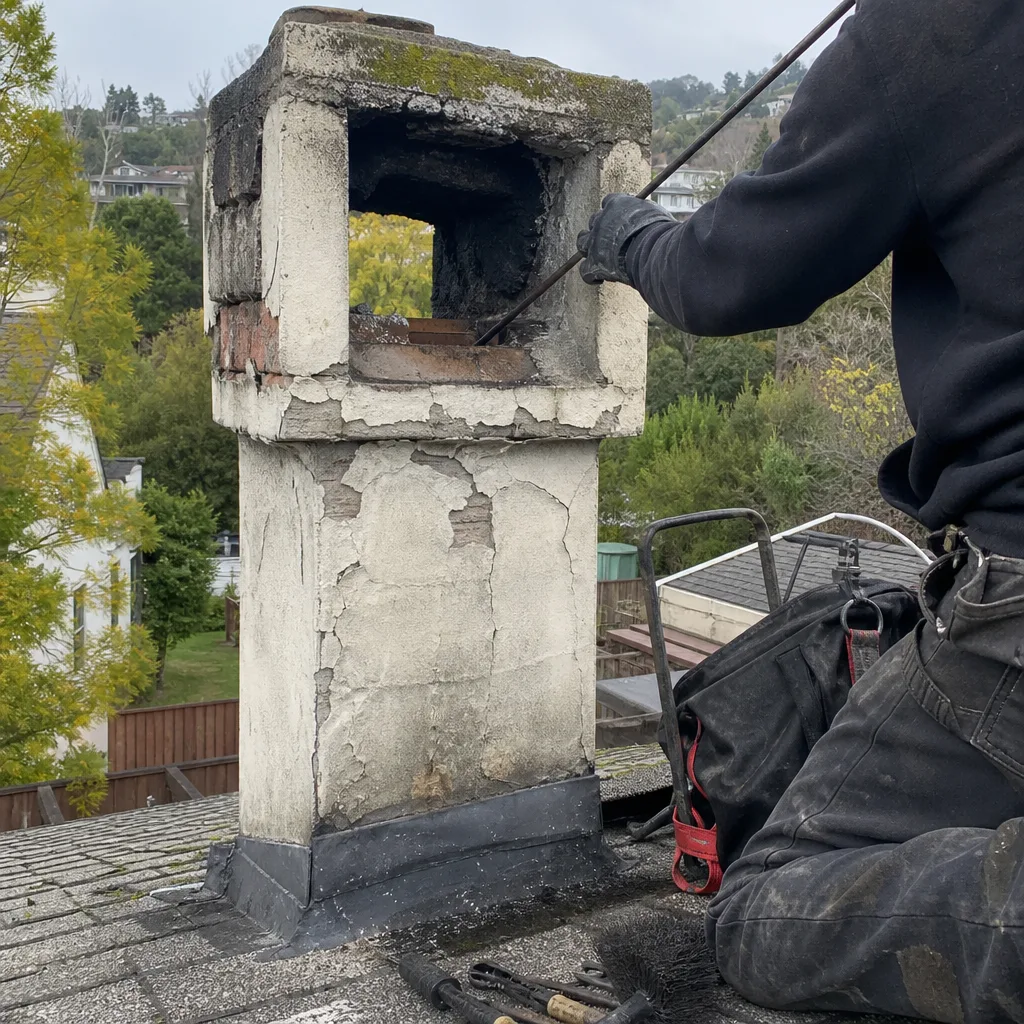 Before
 After
 Before
 After