
Last updated November 2, 2026
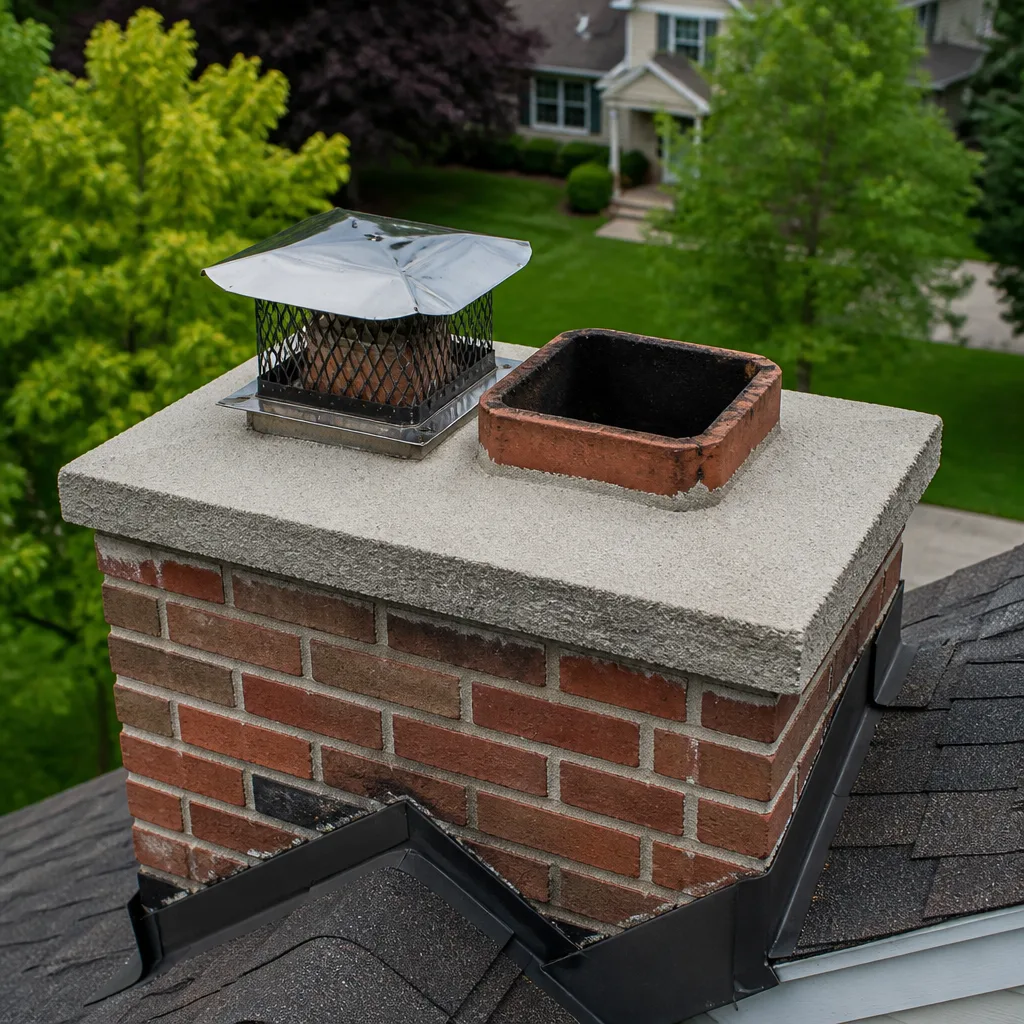 Sweep & inspection
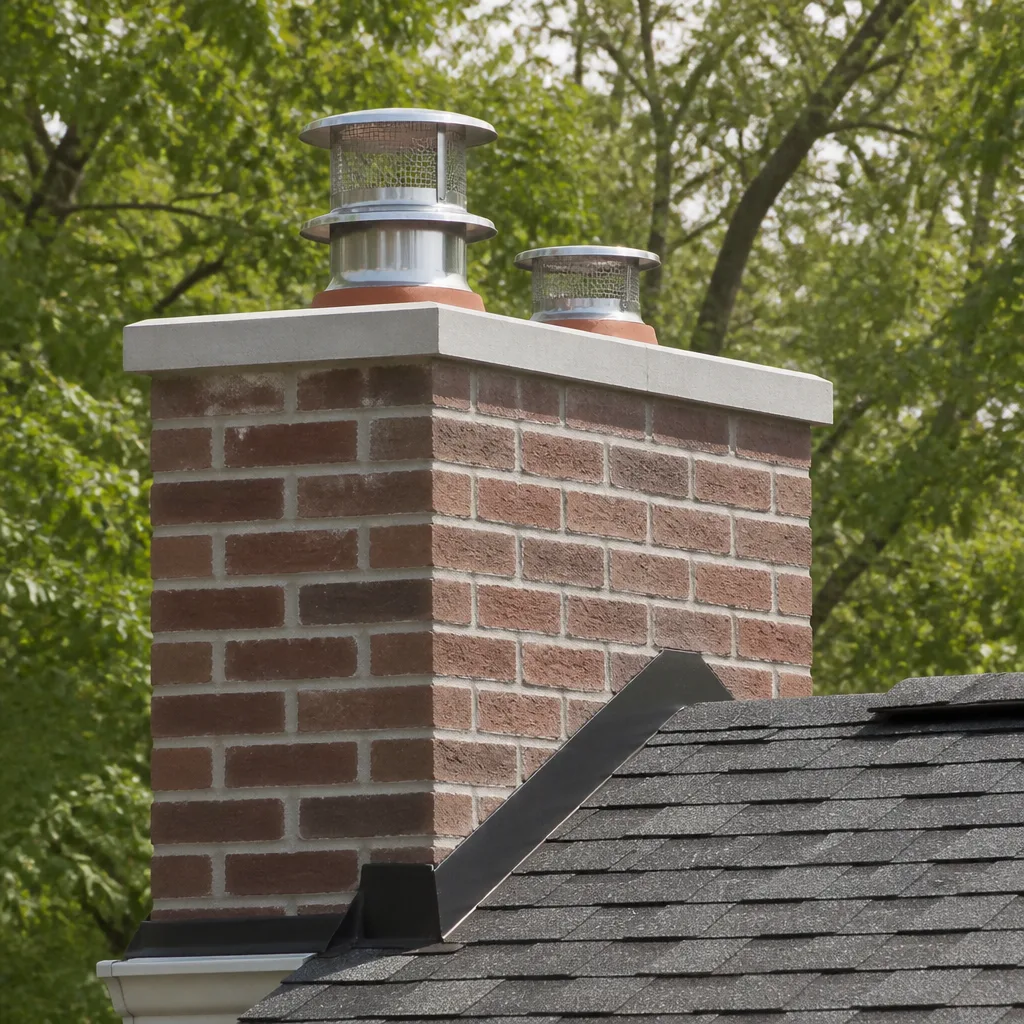 Caps & crowns
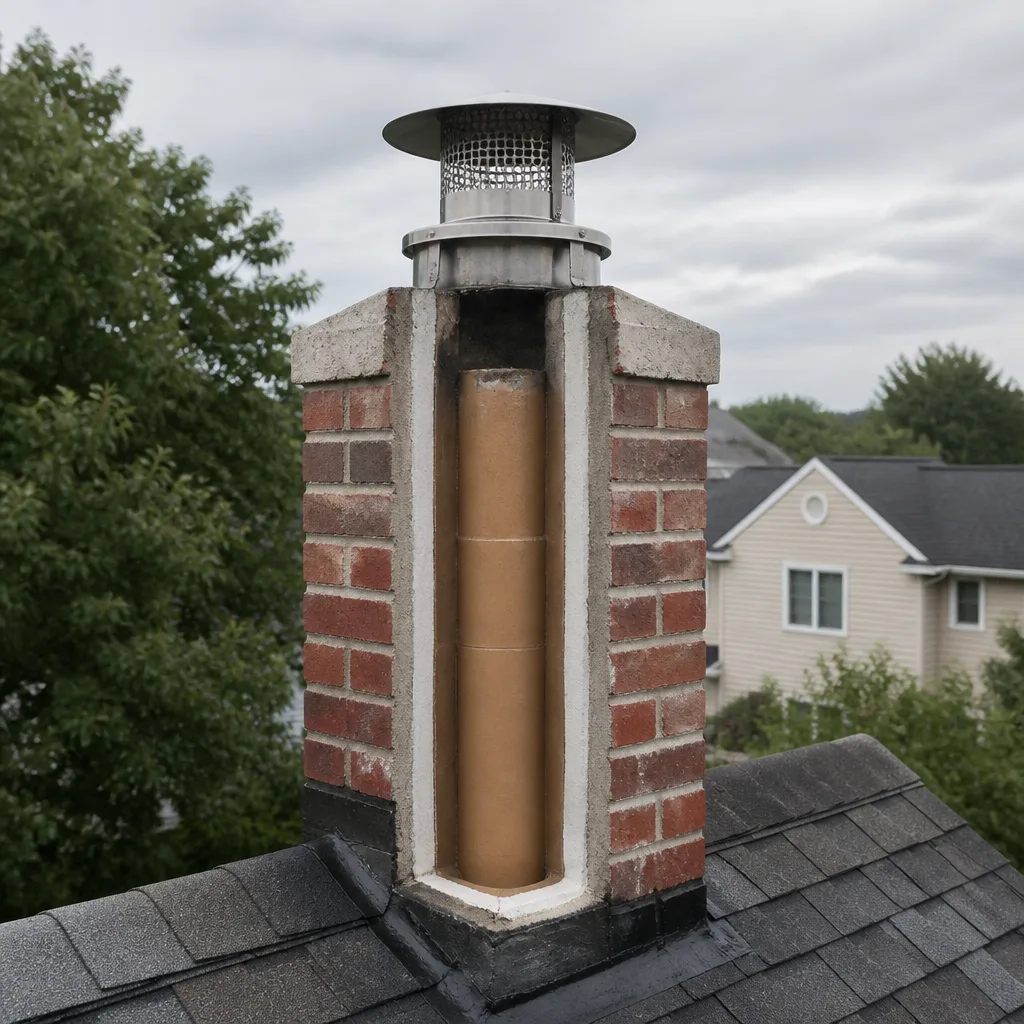 Flue relining
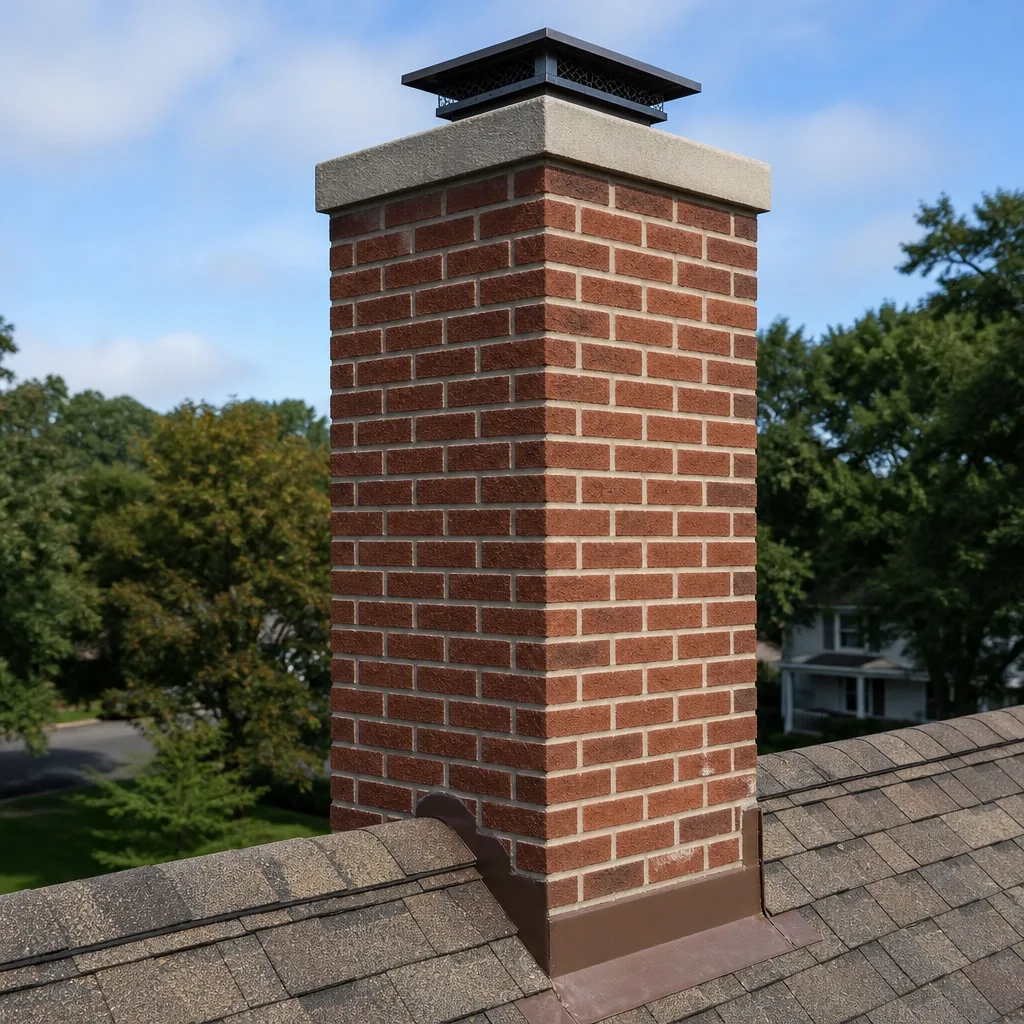 Masonry repair
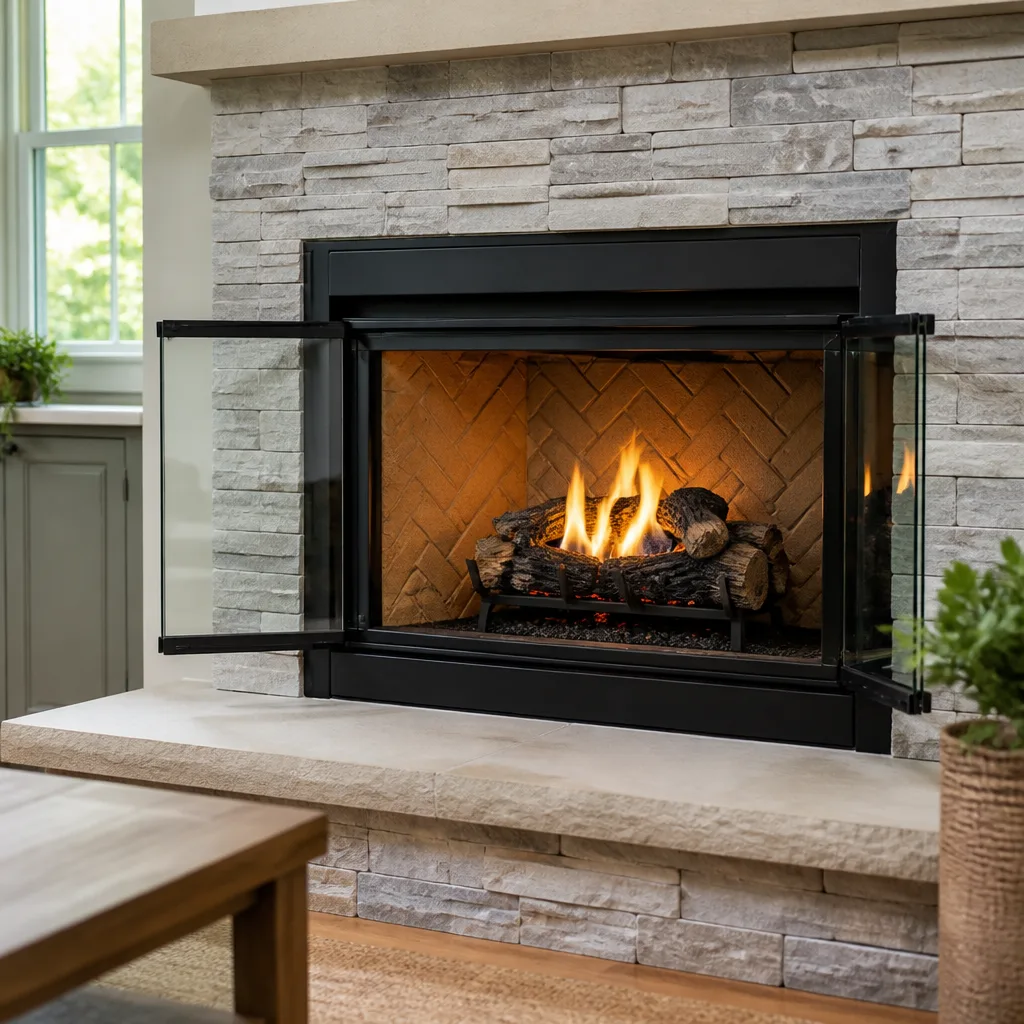 Gas fireplace service
Level 1 sweep and inspection to the NFPA 211 annual standard - flue, crown, cap, and flashing checked and photographed
Chimney sweep logs do not sweep chimneys. They loosen some creosote - which then falls where a brush and vacuum still have to collect it.
DIY vs Professional Chimney Cleaning: The Berkeley Homeowner’s Decision Guide
Most chimney fires in Berkeley don’t start because a homeowner never cleaned the flue. They start because the flue looked fine from the outside and nobody ever looked behind the liner. That’s the problem with most DIY chimney kits: the brushes themselves work. What they don’t give you is any information about what’s happening behind the deposit, which is where the expensive problems actually live. We’ve swept hundreds of Berkeley chimneys and the pattern is consistent. Homeowners who DIY their own cleaning tend to go longer between real inspections because cleaning makes them feel like the job is done. This guide breaks down exactly when DIY cleaning is defensible, when it isn’t, and what the real cost difference looks like once you account for everything the kit doesn’t include – see our Chimney Cleaning Cost Breakdown: The Berkeley Homeowner’s Reference for 2026 for full details.
Styles & brands we work with
- Sweep & inspection
- Caps & crowns
- Flue relining
- Masonry repair
- Gas fireplace service
Quick Answer
DIY chimney cleaning is reasonable for Berkeley homeowners with light seasonal use, a recent professional inspection showing no structural issues, and the right equipment to keep debris contained. It is not a replacement for professional cleaning and inspection when the chimney is used regularly, hasn’t been inspected in over two years, or shows any signs of liner damage, drafting problems, or water intrusion – our How to Hire a Chimney Cleaning Contractor in Berkeley: A Step-by-Step Guide explains what to look for in a qualified pro. The real risk isn’t the sweeping itself. It’s assuming a clean flue is a safe flue when the actual hazard may be behind the liner where no brush can reach.
Table of Contents
- When DIY Chimney Cleaning Actually Makes Sense
- What You Cannot Assess From the Firebox or Roofline
- The Real Cost Comparison: DIY vs Professional Service
- The Tools and Technique Required to Avoid Redistributing Debris
- Using DIY Cleaning as a Supplement, Not a Replacement
- Berkeley-Specific Factors That Change the Calculation
- What a Professional Sweep Checks That a Brush Never Will
- Common Mistakes to Avoid
- When to Call a Professional
- Frequently Asked Questions
- The Bottom Line
When DIY Chimney Cleaning Actually Makes Sense
The honest answer is that DIY chimney cleaning has a legitimate place, but only under a narrow set of conditions. We tell Berkeley homeowners this directly because pretending otherwise wastes everyone’s time. Here’s the framework we use when someone asks whether they should buy a kit and go up on the roof themselves.
DIY cleaning is defensible when all four of these conditions are true:
- Light seasonal use. You burn less than one cord of wood per year, or use a gas insert that produces minimal residue. A chimney that sees twenty fires a season is not building the same creosote load as one that runs every night from November through March.
- A professional inspection within the last 18 months showed no structural issues. Not a visual glance from inside the firebox. A real inspection with a camera, from a chimney professional who documented liner condition. If you can’t point to a report from someone who actually looked, you don’t have the baseline DIY requires.
- No history of water intrusion, drafting problems, or animal nesting. No water stains on the ceiling near the chimney, no smoke backing into the room, no sounds of birds or rodents from the flue. Any of those change the risk profile significantly.
- You have the right equipment and are genuinely comfortable working at height. Not just a brush on a rod from a kit. Proper drop cloths, sealing materials, and a plan for containing dust. We’ll cover this in detail below.
If all four apply, a careful DIY cleaning between professional inspections is a reasonable maintenance step. If any one of them doesn’t, you’re not saving money. You’re deferring a diagnosis. And in Berkeley, where many homes predate modern liner standards, that diagnosis is the part that actually protects the house.
Our Chimney Sweep in Berkeley service exists for the other ninety percent of situations where the homeowner doesn’t have a baseline report, or the chimney has a history, or the access is genuinely dangerous. That’s not a sales line. It’s the threshold where brushing without looking stops being maintenance and starts being risk.
What You Cannot Assess From the Firebox or Roofline
Here’s the core gap that most DIY guides gloss over. A brush removes creosote. It does not tell you whether the flue liner behind that creosote has cracks, gaps, or spalling. It does not tell you whether the mortar joints between clay tiles have opened up, which is common in Berkeley homes built before the 1980s. It doesn’t tell you whether a previous fire caused hidden delamination that will route heat into the framing around the chimney chase.
From inside the firebox, you can see the first few feet of flue if you contort yourself and shine a light up. What you can’t see is the middle third of the chimney, which is where most liner failures occur because that’s where thermal stress is highest and where water from the crown tends to pool and work its way down. From the roofline, you can see the cap and the top few feet. The middle remains invisible without a camera.
What a professional evaluation includes that a brush run never will:
- Camera inspection of the full flue length. This is the difference between “it’s clean” and “it’s clean and the liner is intact.” One is a maintenance check. The other is a safety assessment.
- Liner condition assessment. Clay tile liners crack and spall with age. Stainless liners corrode, especially in marine-influenced air like Berkeley’s. Neither is visible to a homeowner standing at the firebox.
- Clearance verification. The gap between the flue and combustible framing is code-specified. A camera inspection confirms whether that clearance is actually being maintained, which matters enormously in older Berkeley construction.
- Cap, crown, and damper evaluation. These are the components that keep water, animals, and backdraft out. They fail slowly, and a homeowner rarely notices until water spots appear on the ceiling or smoke rolls back into the room.
We work with the brands chimney professionals trust: Famco for caps and dampers, Copperfield for termination components. When a sweep reveals a damaged cap or a warped damper, we can address it with parts that are actually built for the application rather than whatever the hardware store had on the shelf. That’s the difference between a diagnosis that ends in a recommendation and one that ends in a repair.
The Real Cost Comparison: DIY vs Professional Service
The surface-level comparison looks straightforward. A DIY kit costs between $50 and $150 depending on the flue size and whether it includes a drop cloth and gloves. A professional sweep in Berkeley runs roughly $200 to $400 depending on the chimney’s height, accessibility, and condition. So the DIY route appears to save $150 to $250.
That math falls apart when you account for what the kit doesn’t include. Here’s the actual comparison:
- DIY kit: $50-$150 for the brush, rods, and basic supplies. You supply the ladder, the drop cloth, the sealing tape, the vacuum with a fine-dust filter, and the hours of setup and cleanup.
- The vacuum problem: Creosote dust is carcinogenic and extremely fine. A standard household vacuum without a HEPA filter will blow the finest particles back into the living space. A proper fine-dust vacuum or extractor is a $300-$600 tool. Most homeowners don’t own one, which is why most DIY cleanings end with a layer of black dust settling on furniture despite careful tarping.
- Time: First-time DIY chimney cleaning typically takes four to six hours including setup, roof work, cleanup, and dealing with the inevitable discovery that the brush doesn’t fit right or the rod coupling came loose. Your time has value.
- What professional service includes: Full containment of dust, proper disposal of creosote, camera inspection of the liner, professional assessment of cap/crown/damper condition, and a written report you can actually use for insurance or resale. The sweep is the service. The inspection is the value.
- The repair cascade: If the professional finds a problem like cracked tiles or a damaged liner, you know immediately and can address it before it becomes a chimney fire or carbon monoxide problem. If the DIY cleaning misses the same problem, you find out when the smoke detector goes off or the fire starts.
A clean chimney inspection report is something you can stand behind, for your insurance, your landlord, or your own records. When it’s time to sell a Berkeley home, buyers ask about the fireplace and the chimney. A professional report showing a clean, inspected flue answers that question before it’s asked.
The Tools and Technique Required to Avoid Redistributing Debris
This is where most DIY attempts go wrong, and it’s almost never about the brushing itself. It’s about containment. Creosote is sticky, fine-grained, and goes airborne at the slightest disturbance. If your process doesn’t seal the firebox opening and the flue exit, you’ll spend the next week finding black dust on every horizontal surface in the room.
Here’s the containment setup that actually works, step by step:
- Seal the firebox opening completely. Tape a heavy plastic drop cloth across the fireplace opening with painter’s tape, leaving only a small slit for the rod to pass through. Don’t use a loose cloth. It needs to be sealed tight.
- Set up negative pressure if possible. A box fan in a nearby window blowing outward helps pull airborne dust away from the living space. This isn’t perfect, but it reduces the dust load significantly.
- Lay drop cloths for a ten-foot radius around the fireplace. Creosote dust travels. The cloth should extend past where you think you need it.
- Brush from the top down. Roof access gives you gravity on your side. Brushing from inside the firebox pushes debris up and out, which redistributes it into the air around you. From the roof, the debris falls toward the firebox where your sealed covering contains it.
- Use correct-size poly brush for your flue. A brush that’s too small doesn’t clean effectively. Too large and it binds, which risks breaking a rod coupling inside the flue and leaving a tool stuck where you can’t retrieve it without professional help.
- Vacuum with a true fine-dust filter. After brushing, remove the sealed cover carefully and vacuum thoroughly from the firebox. A standard shop vac without a HEPA filter will just blow the finest particles around.
What most DIYers don’t anticipate is the physical reality of roof access. Berkeley homes with single-story construction and low-pitch roofs are manageable with an extension ladder and proper tie-offs. But many Berkeley houses are two or three stories, built into hillsides, with roof pitches that were never meant to be walked by someone without safety training. The risk profile of working at height, on a slope, while manipulating a rod assembly, is why professional sweeps carry fall protection and liability insurance. It’s not the brushing that’s dangerous. It’s the access.
Using DIY Cleaning as a Supplement, Not a Replacement
Here’s the approach we recommend to Berkeley homeowners who want to be involved in their chimney maintenance: use a DIY cleaning as a mid-season touch-up between professional inspections, not as a substitute for them. The professional visit establishes the baseline and confirms the liner is sound. The DIY maintenance keeps creosote from building up between visits, extending the effective life of the professional inspection.
What this looks like in practice:
- Get a professional chimney sweep and camera inspection. This establishes the baseline. You now know the liner condition, the clearance situation, and whether there are any existing problems that need addressing. Our Chimney Sweep Berkeley home service includes the full evaluation.
- Follow the recommendations. If the sweep found minor creosote and a sound liner, you now have the green light for DIY maintenance. If the sweep found anything structural, address it before you do anything else.
- Brush mid-season if you’re burning heavily. If you’re using the fireplace more than three times a week through the winter months, a light DIY brushing at the midpoint of the season keeps creosote from hardening into the glazed stage that requires chemical treatment or professional rotary cleaning.
- Get the next professional inspection within 18 months. The baseline report ages. Liners deteriorate. Conditions change. The DIY brushing keeps the flue cleaner, but it doesn’t tell you anything about what’s changed behind the liner since the last camera went up there.
This is the arrangement that respects both the homeowner’s investment and the reality of what a brush can and can’t tell you. One crew can handle the sweep, the Dryer Vent Cleaning in Berkeley, and any repair the inspection uncovers. That consolidation is why many Berkeley homeowners end up booking the professional visit even when they own the brush.
Berkeley-Specific Factors That Change the Calculation
Berkeley isn’t a generic market, and the local conditions actually shift the DIY-versus-professional calculus in ways most national guides miss entirely.
Marine air and corrosion. Berkeley’s proximity to the Bay means the air carries salt and moisture. Stainless steel liners and caps corrode faster here than they would in Sacramento or the Central Valley. That means the components a professional evaluates, caps, dampers, termination points, deteriorate on a shorter timeline. A chimney that was inspected three years ago and looked fine may have developed rust at the cap that’s now letting water into the flue. Homeowners don’t notice this until the water stains appear or the damper starts sticking.
Older housing stock. A substantial portion of Berkeley’s residential inventory was built between 1900 and 1960. These homes have chimneys that predate modern liner requirements, which means clay tile liners that may have cracked decades ago, or in some cases, unlined masonry flues. The fire risk profile of these chimneys is different. A brush cleaning on an unlined flue doesn’t just miss structural problems, it can actually accelerate deterioration by removing the creosote that was, however imperfectly, sealing gaps in the mortar.
Fog and moisture cycling. Berkeley’s fog cycles create repeated wetting and drying of masonry. This is brutal on chimney crowns and mortar joints, which expand and contract with moisture. Small cracks become larger ones over a few seasons. Again, the homeowner at the firebox sees none of this.
Seismic considerations. Berkeley is in earthquake country, and chimneys are structurally vulnerable in seismic events. A professional inspection evaluates whether the chimney has already sustained earthquake-related damage, like hairline cracks that haven’t yet opened into visible gaps. This matters for safety and for insurance documentation if a claim ever needs to be made.
These local factors are why we can’t give Berkeley homeowners the same blanket advice that a national DIY blog might offer. A chimney in Phoenix behaves differently than a chimney in Berkeley. The moisture, the salt, the age of the housing stock, they all stack toward more frequent professional evaluation, not less.
What a Professional Sweep Checks That a Brush Never Will
Let’s be specific about what a professional visit actually includes, because it’s more than a brush on a rod. When we sweep a Berkeley chimney, here’s what’s happening from start to finish, and it’s the same process you should expect from any qualified chimney professional.
Pre-sweep assessment. Before any brushing happens, we look at the firebox, the damper, the smoke chamber, and the exterior of the chimney from the ground. We’re checking for obvious signs of water damage, animal activity, or structural movement. This takes ten minutes and catches problems that would otherwise go unnoticed until they become expensive.
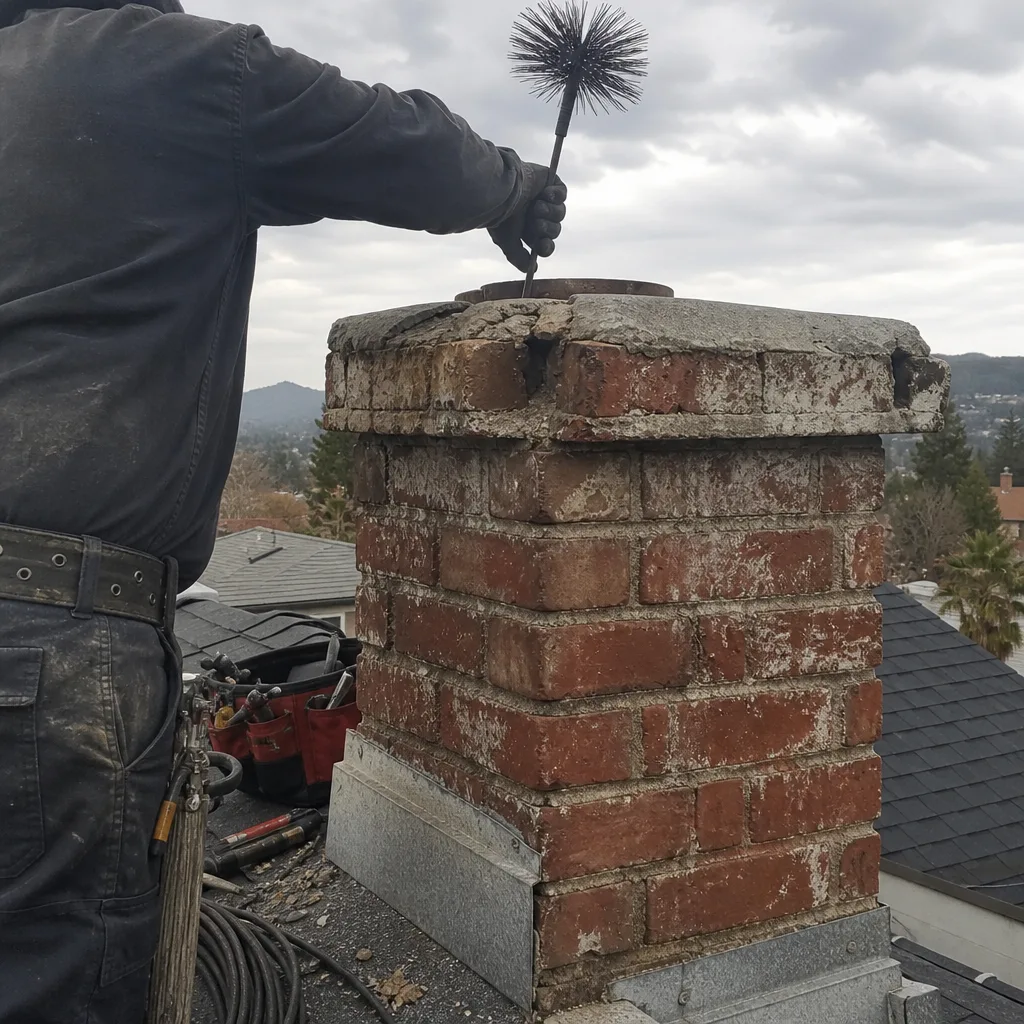
Full-flue camera inspection. The camera goes up the flue and we look at the full length of the liner, joint by joint in older clay tile systems. We’re looking for cracks, spalling, gaps between tiles, and creosote stages. Stage one creosote is flaky and easily brushed. Stage three is glazed and requires chemical or rotary treatment. The camera tells us which one we’re dealing with before we choose our approach.
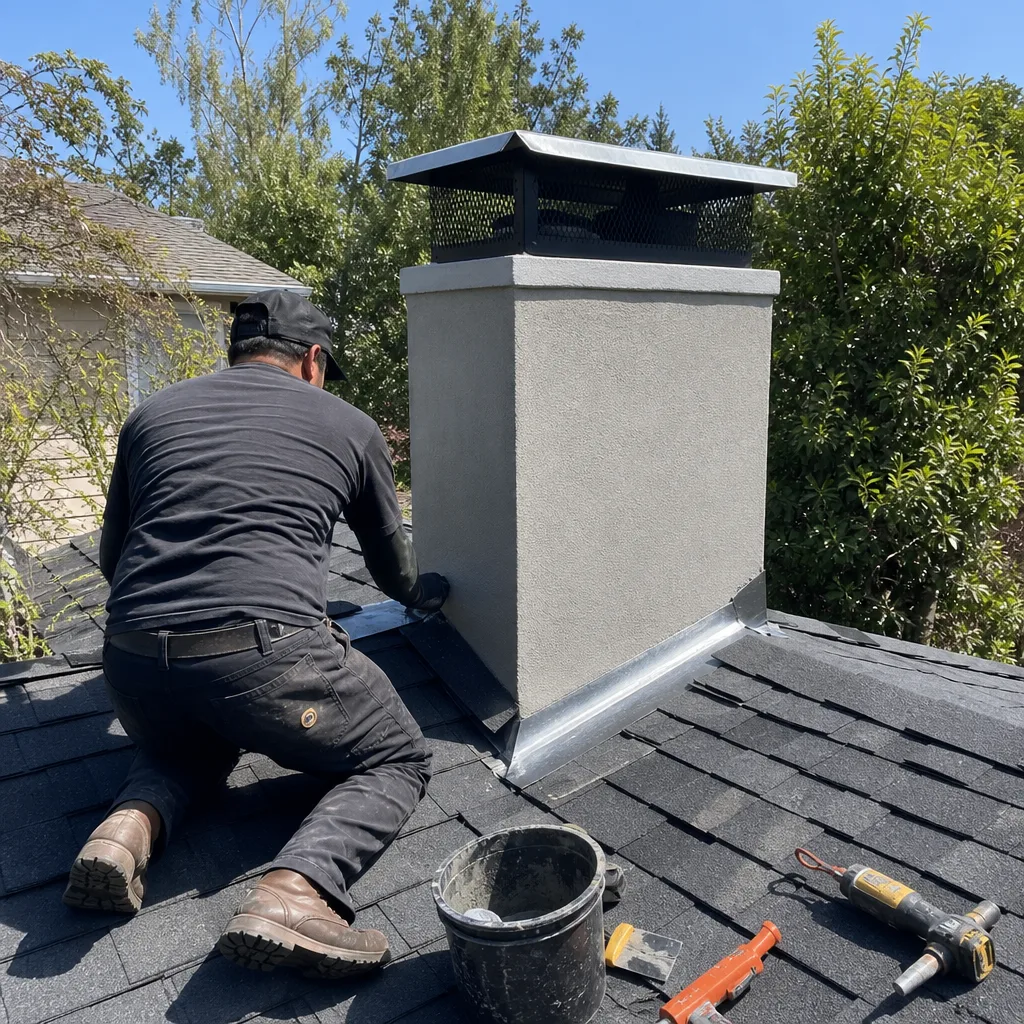
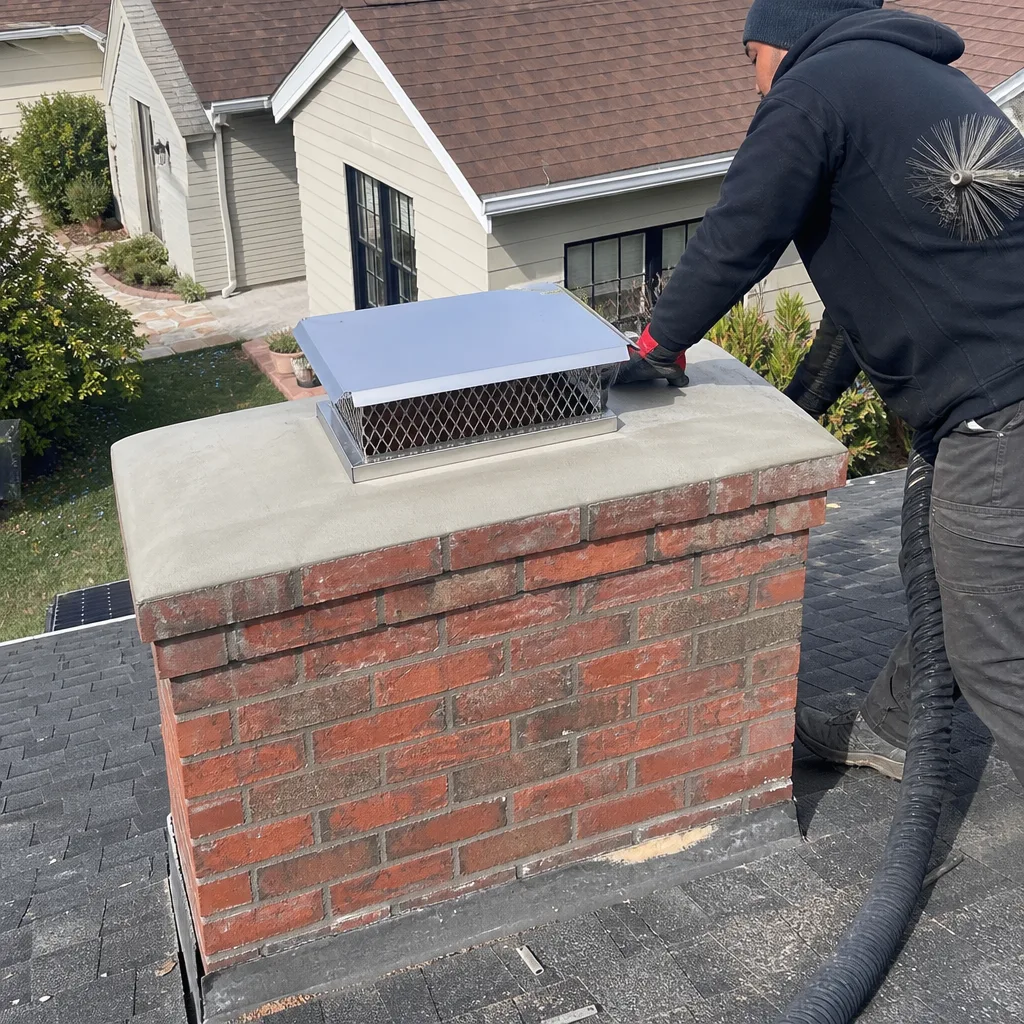
Component evaluation. Cap, crown, damper, flashing, and chase cover. These are the parts that keep water out and control draft. Famco dampers and Copperfield caps are common replacement parts we specify when we find failures because they’re built for this application. The evaluation takes a few minutes and the information lasts for years.
Contained sweeping. With the firebox sealed and proper dust containment in place, the flue gets brushed from the top or bottom depending on access and configuration. We’re using the right brush type for the flue material, because wire brushes on stainless liners cause scoring that shortens liner life.
Post-sweep verification. After brushing, the camera goes up again. We verify the creosote is actually removed and document the liner condition in writing. This is the report you file away for insurance or resale. It’s the documentation that a DIY cleaning simply cannot produce.
When the sweep reveals damage, we can handle the repair in-house. That includes Chimney Repair in Berkeley ranging from cap and damper replacement to liner resurfacing or replacement. We work with professional-grade materials: DuraFlex for flexible liner systems, HeatShield for flue restoration that avoids a full liner replacement when structurally appropriate. Most generalist handymen can’t source these materials, which means their “fix” is often a patch that lasts a season or two. The brands matter because the material quality is what determines whether a repair lasts fifteen years or fifteen months.
Common Mistakes to Avoid
- Assuming a clean flue means a safe flue. Brushing removes creosote but tells you nothing about liner condition, clearance issues, or component failures. A clean chimney with a cracked liner is still a fire hazard.
- Skipping the containment step. The most common DIY failure is going up on the roof with a brush and no plan for sealing the firebox opening. The result is a living room coated in fine black dust that takes a professional cleaning crew to fully remove.
- Using a wire brush on a stainless liner. Wire brushes score stainless steel, creating grooves that trap creosote and accelerate corrosion. Poly brushes are required for stainless systems, and many Berkeley homeowners with modern installation don’t know the difference.
- Brushing from the firebox upward. This pushes creosote and soot out through the top of the chimney, which redistributes it onto the roof and into the air around the house. Top-down brushing with proper containment keeps the debris moving toward the sealed firebox where it can be vacuumed.
- Ignoring access safety. Berkeley homes on hillsides often have roof access that requires more than a simple extension ladder. A fall from even a single-story roofline onto a sloped Berkeley hillside can cause serious injury. If you’re not equipped for the access, the cleaning isn’t worth it.
- Treating a DIY cleaning as a substitute for inspection. The brush doesn’t replace the camera. Going five years between professional inspections because you’re “cleaning it yourself” is how hidden damage becomes structural failure.
- Using a standard household vacuum for creosote dust. Without a fine-dust filter, the vacuum exhausts the smallest, most hazardous particles back into the room. You end up with cleaner floors and dirtier lungs.
When to Call a Professional
Call a professional when any of these conditions apply: the chimney hasn’t been camera-inspected in over two years, you see water stains on the ceiling near the chimney, smoke backs into the room when the fireplace is lit, you hear animals in the flue, there’s a smell coming from the fireplace even when it’s not in use, or you’ve had a chimney fire of any size. Also call if the chimney is two or more stories tall and you don’t have proper fall protection. The cost of a professional visit is a fraction of the cost of a chimney fire, and it’s less than the cost of a hospital visit after a roof fall. Chimney Sweep Berkeley offers free estimates in Berkeley, call (855) 382-9432.
Frequently Asked Questions
A professional chimney sweep in Berkeley typically runs between $200 and $400 depending on flue height, accessibility, and creosote condition. That price includes full dust containment, camera inspection, component evaluation, and a written report. Call (855) 382-9432 for an exact quote, estimates are free.
You should have your chimney professionally inspected and swept every 12 to 18 months if you burn wood regularly, and every 2 years for occasional gas fireplace use. Berkeley’s marine air accelerates component corrosion, so cap and damper evaluation should happen on that same schedule even if creosote buildup is minimal.
Not always. There’s a middle option between “the flue is fine” and “the liner needs full replacement.” HeatShield resurfacing restores deteriorated flue surfaces without a full liner replacement when the underlying structure is sound. We evaluate that option before recommending replacement, because replacing a liner that doesn’t need replacing serves no one.
Creosote builds in stages. Stage one is flaky and brushes off easily. Stage two is harder and requires more aggressive cleaning. Stage three is glazed, highly flammable, and requires chemical or rotary treatment to remove. If stage three ignites, you have a chimney fire. Those burn at temperatures that crack clay tile liners and ignite framing around the chimney chase. The repair bill from a chimney fire is typically three to five times the cost of a decade of regular sweeping.
Gas fireplace flues accumulate less creosote than wood-burning systems, but they still collect debris, dust, and in some cases, soot from impingement. The bigger issue in Berkeley is corrosion in the termination and vent connections, which is not something a homeowner can assess without a camera. A professional evaluation on a gas system is less about cleaning and more about confirming the venting is intact and carbon monoxide is not being routed into the living space.
Yes. Dryer vents and chimneys are both ventilation systems, and both fail in similar ways, lint accumulation for dryers, creosote for chimneys, and both are significant fire hazards. Having both addressed in a single visit means both of the household’s leading fire risks are handled by the same qualified technician in the same appointment, with the same professional scrutiny. Call (855) 382-9432 to book both at once.
The Bottom Line
DIY chimney cleaning has a legitimate place for Berkeley homeowners who meet the narrow conditions outlined above: light use, professional inspection within 18 months, no structural history, and proper containment equipment. The mistake is treating that DIY brushing as a substitute for the inspection itself. A brush removes creosote. It does not tell you whether the liner behind that creosote is cracked, the cap is rusting through, or the clearance to framing has been compromised. In Berkeley, where marine air, older housing stock, and seismic activity all accelerate chimney deterioration, the professional inspection is the part that actually keeps the house safe. One crew can handle the sweep, the dryer vent, and any repair the inspection finds. For more guides & resources on keeping your Berkeley home safe, explore our blog. Professional-grade materials, properly installed. We tell you what we found, not what sells the biggest job.
Written by the team at Chimney Sweep Berkeley, serving Berkeley since 2015.
See the difference
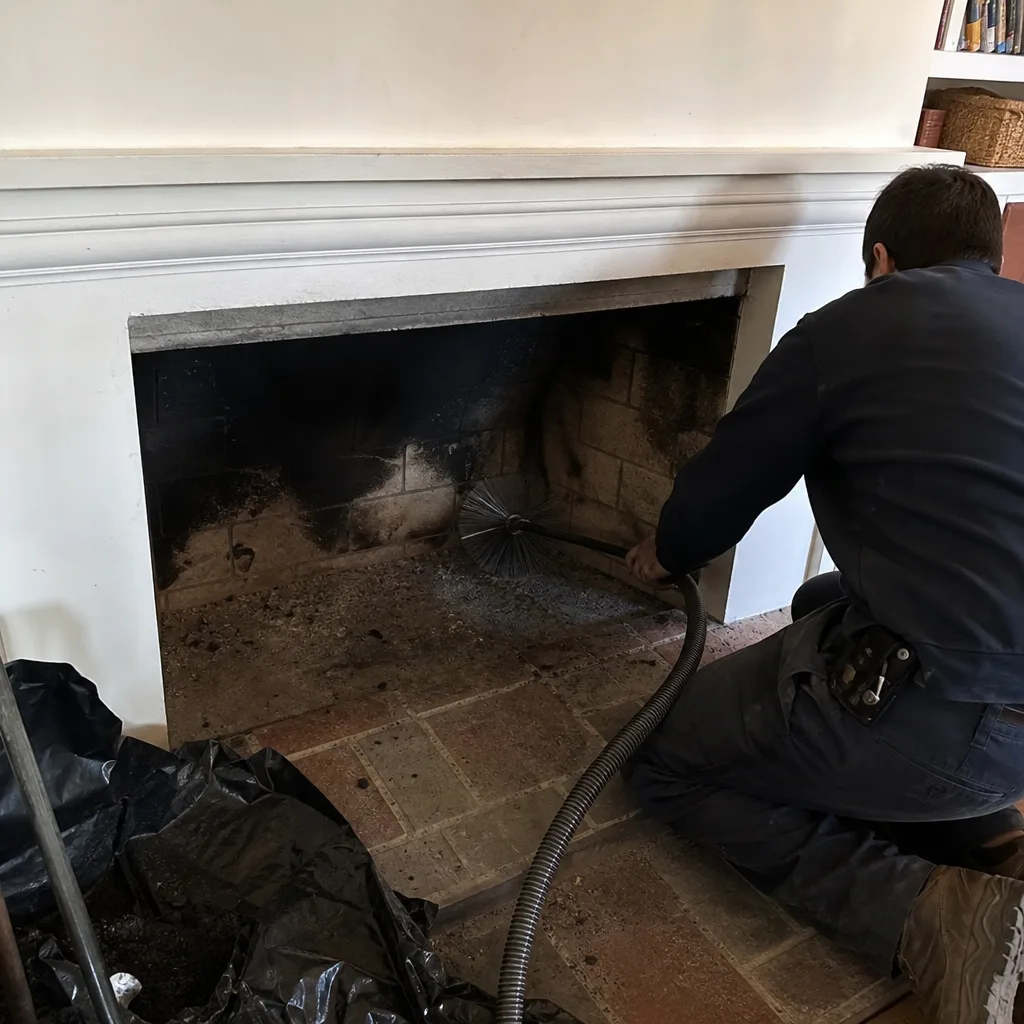 Before
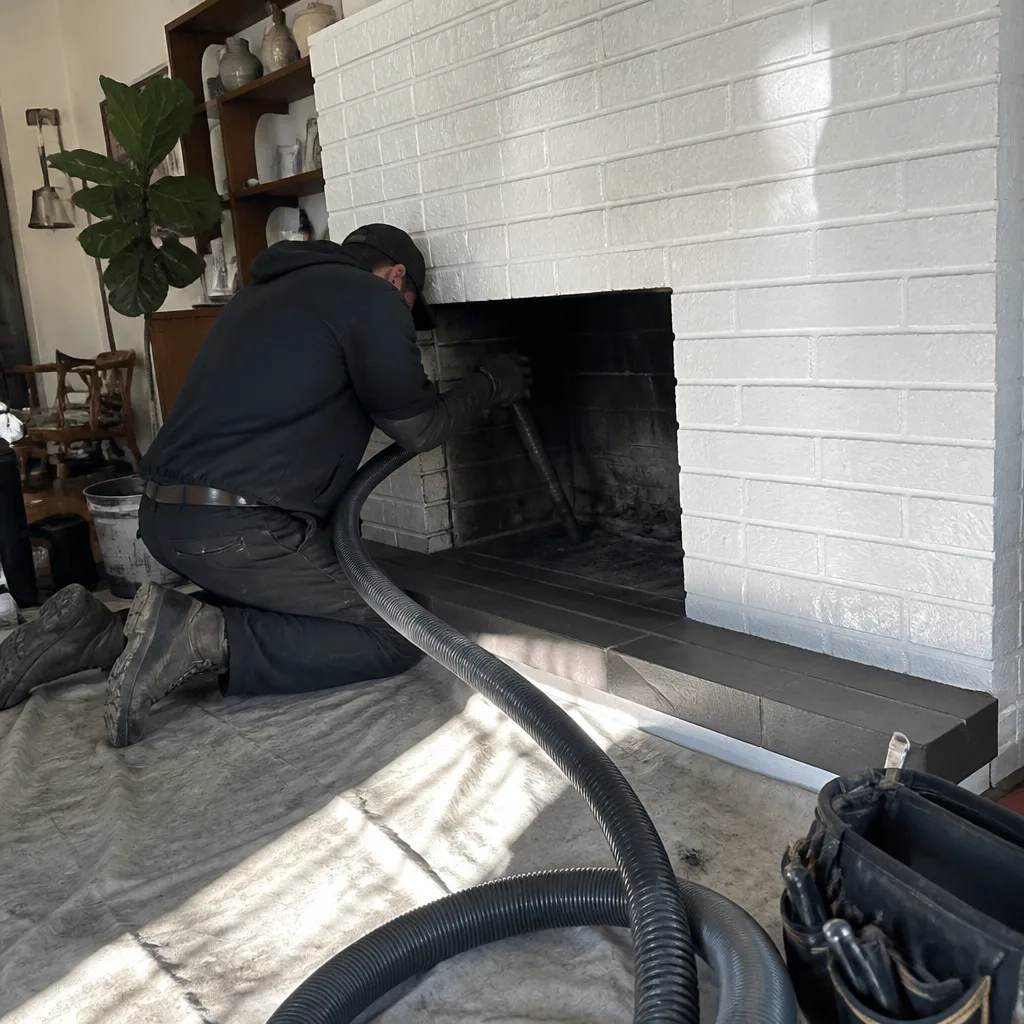 After
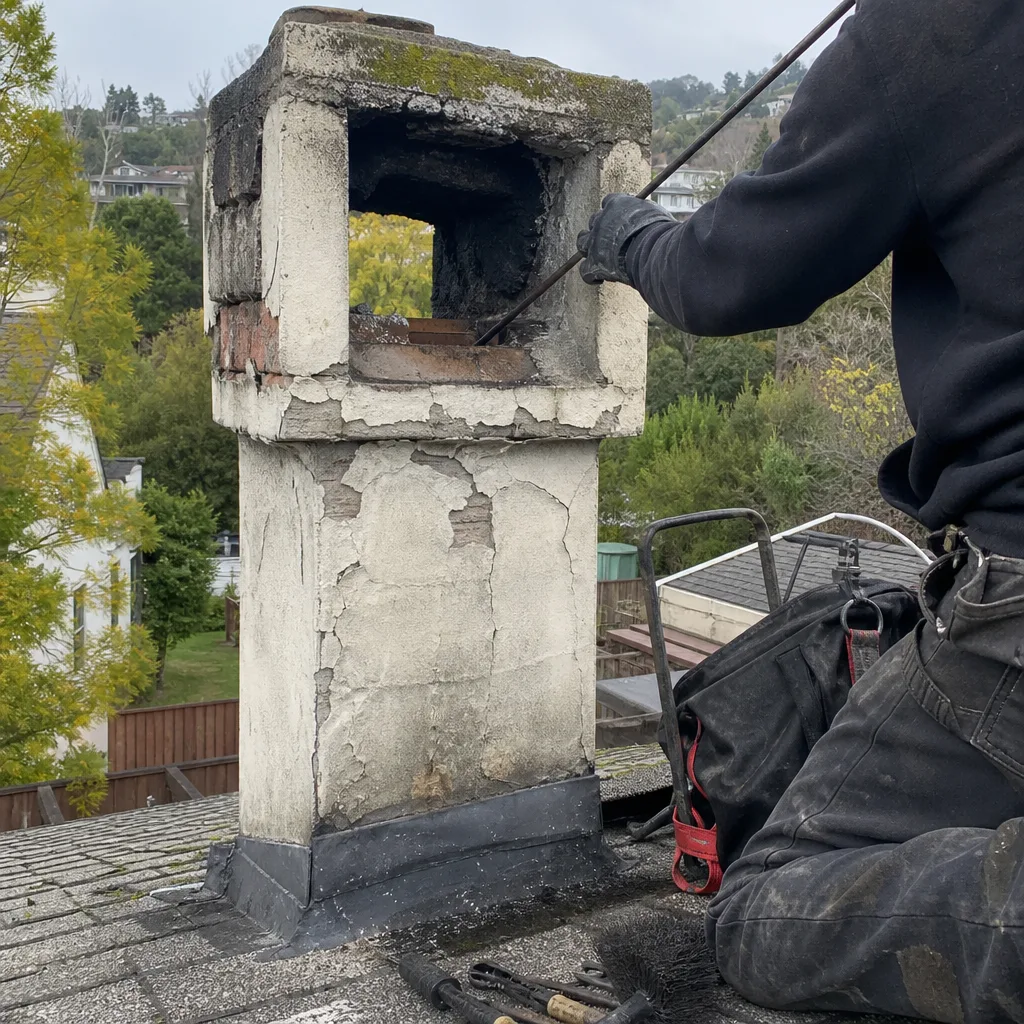 Before
 After
 Before
 After